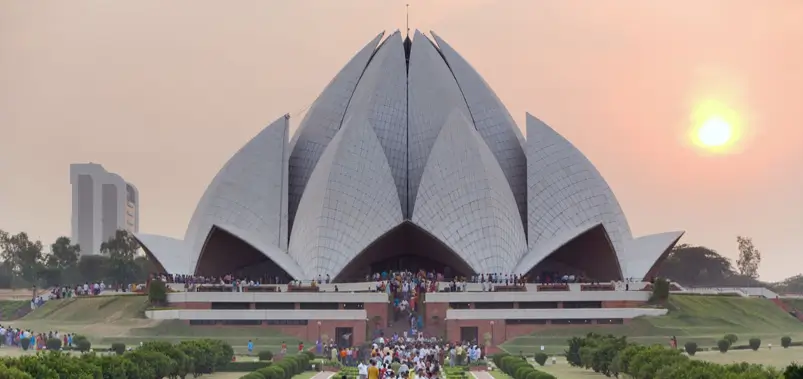
Among all of Delhi's landmarks, few are as instantly recognizable as the Lotus Temple. While the city is famous for Mughal forts, ancient tombs, bustling markets, and grand government buildings, the Lotus Temple stands apart because of its modern design and universal message.
Shaped like a blooming white lotus flower, the temple has become one of the most visited attractions in India and regularly attracts millions of visitors from around the world. What surprises many first time travelers is that the Lotus Temple is not a Hindu temple, despite its name and appearance. Instead, it is a Bahá’í House of Worship, open to people of every religion, nationality, and background.
For foreign visitors, the attraction offers something unique. Unlike monuments that focus primarily on history or architecture, the Lotus Temple combines design, spirituality, silence, and reflection. Visitors come not only to admire the building but also to experience a rare sense of calm within one of the world's busiest cities.
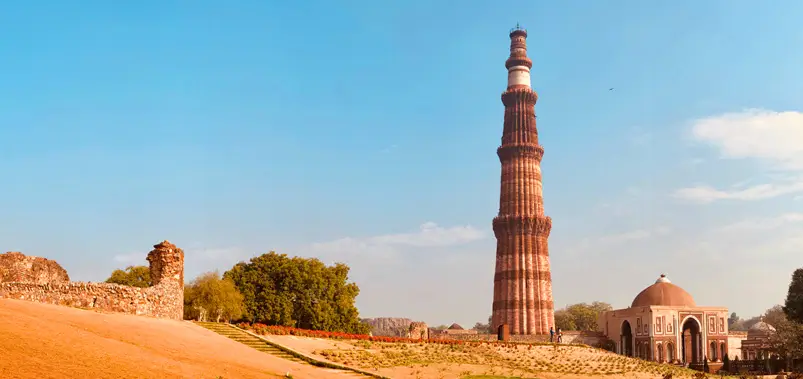
The temple's location in South Delhi makes it easy to combine with attractions such as Humayun's Tomb, Lodhi Garden, Qutub Minar, and Khan Market. As a result, it frequently appears on Delhi sightseeing itineraries, especially for travelers interested in architecture and cultural diversity.
Another reason for its popularity is accessibility. Entry is free, the grounds are beautifully maintained, and visitors can explore without requiring guides or extensive planning. The experience works equally well for solo travelers, families, photographers, architecture enthusiasts, and visitors seeking a quiet break from sightseeing.
Many travelers initially expect a short visit and discover themselves staying much longer than planned. The peaceful atmosphere, landscaped gardens, and striking architecture encourage a slower pace than most Delhi attractions.
Whether you are interested in photography, spirituality, architecture, or simply seeing one of Delhi's most iconic landmarks, understanding the history and practical details of the Lotus Temple will help you make the most of your visit.
The Lotus Temple was completed in 1986 and quickly became one of the most important modern landmarks in India.
The building serves as a Bahá’í House of Worship, part of a global network of temples associated with the Bahá’í Faith. One of the central principles of the faith is the unity of humanity, and this idea strongly influences the design and purpose of the temple.
Unlike many religious buildings that serve specific communities, the Lotus Temple welcomes people of all religions and beliefs. Visitors are not required to follow any particular tradition. People come to pray, meditate, reflect, or simply enjoy the peaceful environment.
The choice of a lotus flower as the architectural inspiration was particularly meaningful. The lotus holds symbolic significance across many cultures and religions in India. It is associated with purity, beauty, spiritual growth, and harmony.
The temple was designed by Iranian architect Fariborz Sahba, who created a structure composed of 27 marble clad petals arranged in groups that form the shape of a blooming flower. The result is one of the most recognizable buildings constructed during the twentieth century.
Since opening, the Lotus Temple has received numerous architectural awards and has appeared in countless travel publications. Millions of visitors continue to arrive every year, making it one of the most visited religious buildings in the world.
For travelers, understanding this background adds depth to the experience. The temple is not only a beautiful building but also a symbol of openness, inclusion, and spiritual unity.
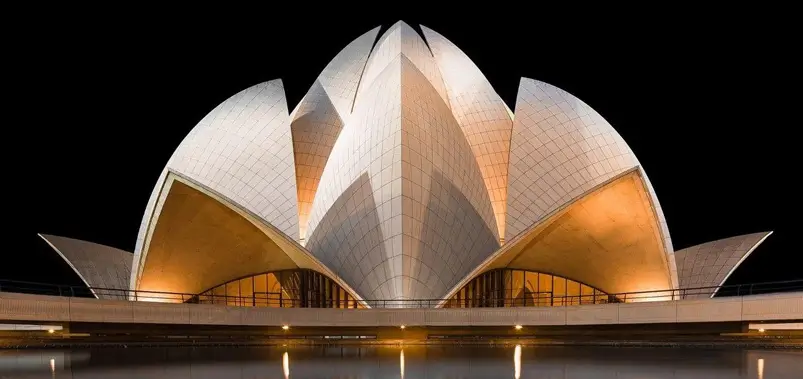
Even travelers who have seen photographs of the Lotus Temple are often surprised by its appearance in person.
The structure rises from landscaped grounds surrounded by pools and pathways, creating a striking visual effect. The white marble petals seem to float above the gardens, and the building changes character depending on lighting conditions throughout the day.
One reason the architecture is so successful is simplicity. Unlike many historical monuments covered with carvings and decorative details, the Lotus Temple relies on clean lines, elegant curves, and perfect proportions.
Visitors approaching the temple usually stop multiple times to take photographs because every angle reveals a slightly different perspective. The reflections in the surrounding pools add another layer of visual interest.
The marble used for the exterior came from Greece and contributes significantly to the building's brightness. During sunny days, the temple appears luminous against Delhi's sky. At sunset, changing light conditions create softer tones and dramatic shadows.
Architects frequently cite the Lotus Temple as an example of how modern design can create powerful emotional responses without relying on excessive ornamentation.
The structure also demonstrates remarkable engineering. Constructing such a complex geometric form required advanced techniques and precise planning.
For photographers, the building offers endless opportunities. Wide-angle shots capture the full lotus shape, while closer compositions emphasize curves, textures, and reflections.
Many visitors find themselves spending as much time outside the temple admiring the architecture as they do inside the prayer hall.
One of the advantages of visiting the Lotus Temple is that it remains accessible to travelers of all budgets.
Free Entry
Visitors do not need to purchase tickets to enter the grounds or prayer hall.
Generally:
Tuesday to Sunday
The temple is usually closed on Mondays.
Opening times often vary slightly according to season, but visitors can generally expect access from approximately:
9:00 AM to 5:00 PM or later
during busier periods.
The most pleasant times are:
9:00 AM – 11:00 AM
or
4:00 PM – Sunset
Morning visits offer cooler temperatures and smaller crowds.
Late afternoon visits provide attractive lighting for photography and a more relaxed atmosphere.
Most visitors spend:
1 to 2 hours
However, photographers and travelers interested in meditation often remain longer.
Because entry is free and the location is convenient, many visitors return multiple times during longer stays in Delhi.
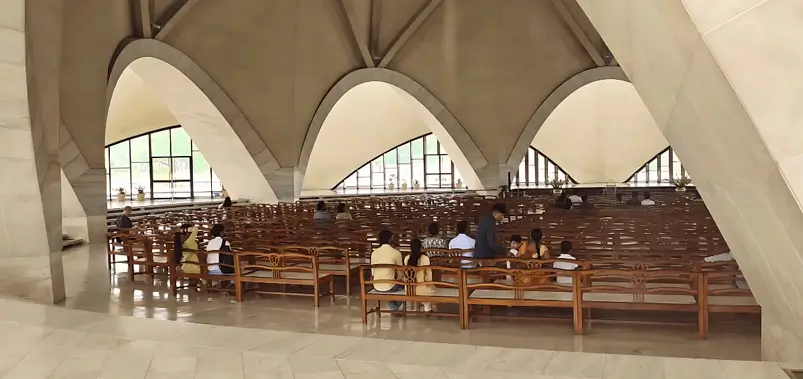
One of the most interesting aspects of the Lotus Temple is the experience inside the central prayer hall.
Visitors expecting statues, rituals, priests, or elaborate ceremonies are often surprised.
The hall is intentionally simple.
There are no idols, altars, or traditional religious displays. Instead, visitors enter a large, peaceful space designed for silence and reflection.
The hall can accommodate approximately 2,500 people, yet it often feels calm even when many visitors are present.
People from different backgrounds sit quietly, meditate, pray, or simply observe the atmosphere.
Silence is strongly encouraged. Conversations, photography, and disruptive behavior are not permitted inside.
For many travelers, this quiet environment becomes one of the most memorable aspects of the visit. After spending time in Delhi's energetic streets, the contrast feels remarkable.
The experience also reflects the broader philosophy behind the temple. Rather than emphasizing religious differences, the space encourages contemplation and shared humanity.
Visitors do not need to follow any specific practice. Some people pray according to their own traditions. Others meditate. Many simply enjoy a few moments of peace.
The simplicity of the hall often leaves a stronger impression than elaborate decoration would.
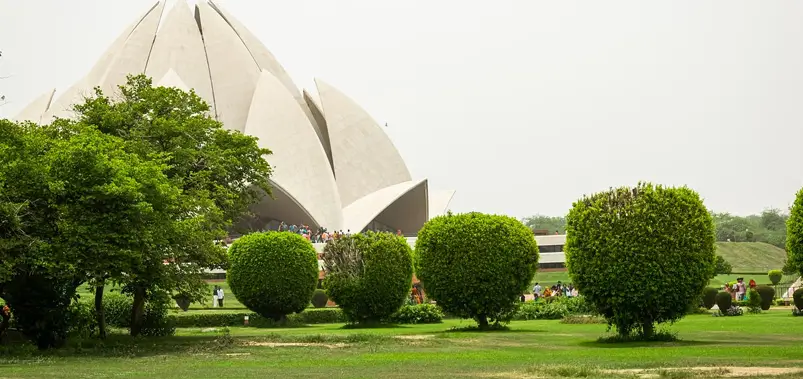
While the building receives most of the attention, the surrounding landscape plays a crucial role in the overall experience.
The temple is surrounded by carefully maintained gardens and nine reflecting pools that symbolize aspects of the lotus flower's design.
These pools serve both aesthetic and practical functions. Visually, they create beautiful reflections and enhance the building's appearance. Environmentally, they contribute to cooling the surrounding area.
Walking through the gardens provides opportunities to appreciate the temple from different perspectives. Visitors frequently discover that the view from one side differs significantly from the view from another.
The landscaping is intentionally peaceful. Lawns, pathways, trees, and flowers create a calm environment that encourages slow exploration.
Many visitors choose to sit on benches and simply enjoy the atmosphere for a while before entering the prayer hall.
For photographers, the gardens are almost as important as the building itself. Reflections, framing opportunities, and changing light conditions create countless compositions throughout the day.
The outdoor areas also make the temple attractive for families because there is enough space to move comfortably without feeling crowded.
For many travelers, the Lotus Temple becomes one of the most photographed locations in Delhi. The building's distinctive shape, white marble surface, landscaped gardens, and reflecting pools create ideal conditions for architectural photography.
However, visitors should understand the photography rules before arriving.
Photography is generally allowed in the outdoor areas surrounding the temple. Visitors can freely take pictures of the architecture, gardens, pools, and landscape. Most of the famous images seen in travel magazines and guidebooks are captured from these exterior locations.
Inside the prayer hall, photography is not permitted. Visitors are expected to maintain silence and respect the contemplative atmosphere. Cameras and mobile phones should remain unused while inside the main hall.
The best photography opportunities are usually found in three areas.
The first is directly in front of the temple, where visitors can capture the complete lotus shape with the reflecting pools in the foreground. This is the classic postcard view and remains one of the most popular locations.
The second is along the side pathways. These angles reveal the complexity of the petal structure and often produce more interesting architectural compositions than the standard front facing view.
The third is during late afternoon and sunset when the changing light creates dramatic shadows across the marble surface. The temple gradually shifts from bright white to warmer tones as daylight fades.
Professional photographers often spend several hours exploring different perspectives because the building looks noticeably different depending on light conditions and viewing angle.
Travelers interested in photography should consider arriving either early in the morning or later in the afternoon when lighting is softer and crowds are generally easier to manage.
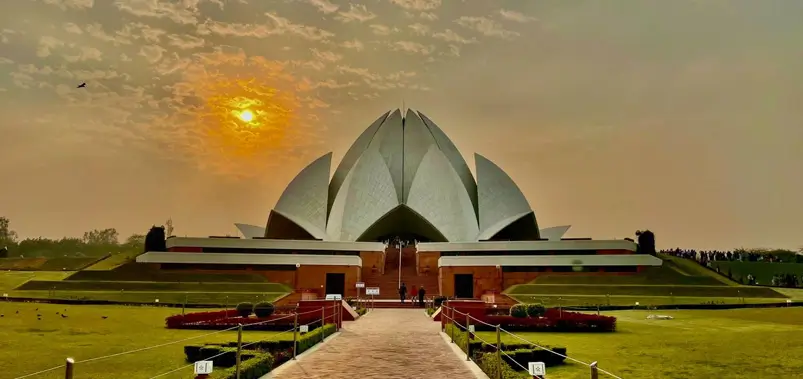
Although the Lotus Temple is impressive throughout the day, many experienced travelers consider late afternoon and sunset the most rewarding time to visit.
During the middle of the day, Delhi's sunlight can be quite intense. While this brightness emphasizes the white marble, it can also create harsh shadows and make photography more challenging.
As the sun begins to descend, the atmosphere changes significantly.
The marble surface takes on softer colors, the gardens become more comfortable to explore, and reflections in the pools often improve dramatically. Visitors frequently find themselves slowing down and spending more time simply observing the building.
The transition from daylight to evening is particularly attractive because the temple appears to change character. What feels like a bright architectural landmark during the afternoon gradually becomes a peaceful and elegant silhouette against the evening sky.
The crowds also tend to feel different. Morning visitors often focus on sightseeing efficiency, while evening visitors are more likely to relax, sit in the gardens, and enjoy the atmosphere.
Photographers appreciate the golden hour before sunset because it produces warmer tones and softer contrasts. Portrait photographers especially enjoy this period because the lighting is flattering and the temple provides an exceptional backdrop.
For travelers with flexible schedules, a late afternoon arrival followed by a sunset visit often delivers the most memorable overall experience.
One of the biggest advantages of visiting the Lotus Temple is its location.
Several of Delhi's most important attractions are located nearby, making it easy to create a full day of sightseeing without spending excessive time in traffic.
Humayun's Tomb
Located approximately 15–20 minutes away, Humayun's Tomb is one of Delhi's most important historical monuments.
Built in the sixteenth century, it is often regarded as a precursor to the Taj Mahal. Visitors interested in Mughal architecture frequently combine both sites on the same day because they offer very different perspectives on Indian history.
Lodhi Garden
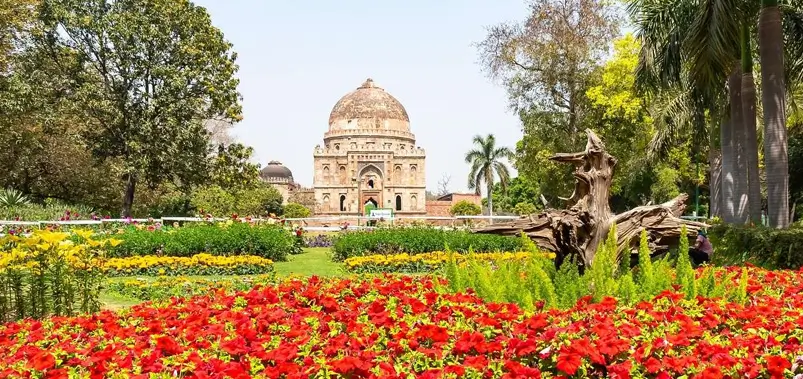
A short drive from the Lotus Temple brings travelers to Lodhi Garden.
The contrast is fascinating. After experiencing modern architecture at the Lotus Temple, visitors can explore medieval tombs surrounded by landscaped gardens.
Many travelers enjoy walking through Lodhi Garden during the late afternoon before continuing elsewhere in Delhi.
Khan Market
For travelers interested in cafés, restaurants, shopping, and a more contemporary side of Delhi, Khan Market is an excellent addition.
Many visitors finish their Lotus Temple excursion with coffee or dinner in Khan Market, creating a balanced day that combines culture, architecture, and local lifestyle.
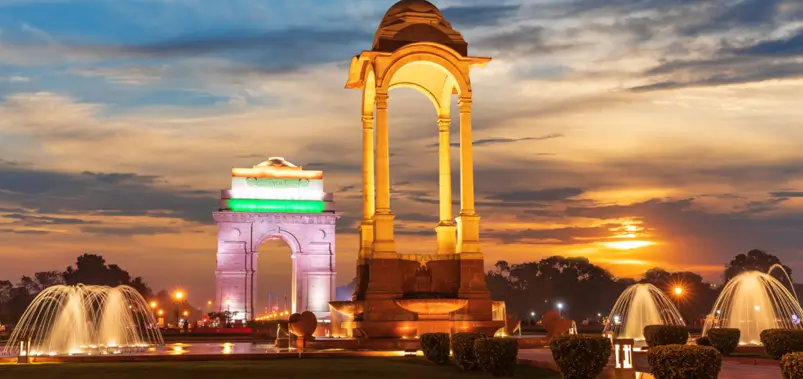
India Gate
Another popular option is continuing toward India Gate, particularly during the evening when the area becomes lively with local families and visitors.
Combining these attractions allows travelers to experience multiple dimensions of Delhi in a single day.
The Lotus Temple is one of Delhi's easiest attractions to access.
By Delhi Metro
For most visitors, the Metro is the simplest transportation option.
The nearest station is:
Delhi Metro Violet Line – Kalkaji Mandir Station
From the station, visitors can either walk or take a short auto rickshaw ride to the temple entrance.
The Metro is often faster than road transportation, especially during peak traffic periods.
Visitors can also reach the temple easily using taxis and ride hailing services.
Approximate travel times under normal conditions:
Travel times vary significantly depending on traffic.
By Private Driver
Most Golden Triangle travelers use private drivers, making access straightforward.
Drivers are familiar with the attraction and can coordinate pickup and drop-off efficiently.
Although the Lotus Temple is relatively easy to visit, several common mistakes can reduce the quality of the experience.
One frequent mistake is arriving during the hottest part of the day. Midday temperatures can become uncomfortable, particularly during summer months. Morning and late afternoon visits are generally far more pleasant.
Another mistake is rushing through the site. Some travelers allocate only thirty minutes because they assume the attraction consists solely of the main building. In reality, the gardens, pathways, pools, and prayer hall deserve additional time.
Many visitors also fail to enter the prayer hall. They take photographs outside and leave without experiencing the most meaningful part of the complex. Spending even ten or fifteen quiet minutes inside often becomes one of the highlights of the visit.
Photography enthusiasts sometimes focus exclusively on the front view and miss many excellent perspectives available elsewhere on the grounds.
Finally, some travelers underestimate Delhi traffic and schedule visits too tightly. Allowing flexibility always improves the experience.
A few simple strategies can make a visit significantly more enjoyable.
Carry water, particularly during warmer months, although visitors should follow any restrictions that apply at the entrance.
Wear comfortable walking shoes because exploring the grounds involves more walking than many people expect.
Dress modestly. While the atmosphere is welcoming and inclusive, respectful clothing is appreciated.
Allow sufficient time for security screening. Procedures are generally efficient but can take longer during busy periods.
If possible, combine the Lotus Temple with nearby attractions rather than making a dedicated trip solely for the temple.
Most importantly, spend a few moments sitting quietly inside the prayer hall. Regardless of personal beliefs, many travelers find the experience unexpectedly calming.

We promise you a holiday where everything is taken care of from the moment you land. Trusted drivers waiting for you, handpicked hotels that fit your style, personalized itineraries designed just for your family, and a dedicated team on call 24/7. All you need to do is relax, explore, and create unforgettable memories, while we take care of every detail behind the scenes.
Because it offers something different from Delhi's historical monuments. The combination of modern architecture, beautiful gardens, silence, and spiritual openness creates an experience that remains memorable long after the visit ends.
Visitors should dress modestly and respectfully, although requirements are not overly strict.
Early morning or late afternoon generally provide the most comfortable conditions and best lighting.
Absolutely. It is one of Delhi's most distinctive landmarks and offers a unique combination of architecture, spirituality, and peaceful surroundings.
Kalkaji Mandir Station on the Violet Line is the most convenient option.
No. Photography is generally prohibited inside the prayer hall but allowed in outdoor areas.
Most visitors spend between one and two hours, although photographers often stay longer.
The temple is generally open from Tuesday to Sunday and closed on Mondays.
Yes. Visitors can enter the grounds and prayer hall without purchasing tickets.
No. It is a Bahá’í House of Worship that welcomes people of all religions and backgrounds.