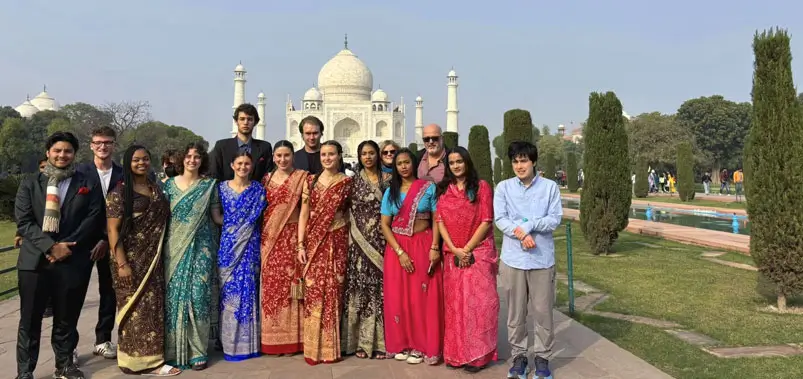
A visit to the Taj Mahal is more than simply checking off one of the world's most famous landmarks. For many travellers, it is the highlight of an entire journey through India—a place where history, architecture, photography, and culture come together in an unforgettable experience. Choosing the right clothing may seem like a small detail, but it has a significant impact on your comfort, photographs, and overall enjoyment of the visit.
Unlike museums or indoor attractions, the Taj Mahal is an expansive outdoor monument. Visitors spend several hours walking through landscaped gardens, marble courtyards, and open pathways that offer very little shade during certain times of the day. Weather conditions can vary dramatically depending on the season, with winter mornings occasionally dropping below 10°C, while summer afternoons often exceed 40°C.
Many first time visitors either underestimate the heat or overestimate the amount of walking involved. Wearing uncomfortable shoes, heavy fabrics, or unsuitable clothing can quickly turn an exciting visit into a tiring one.
Clothing choices also influence your photographs. The brilliant white marble of the Taj Mahal provides a spectacular backdrop, and certain colours stand out beautifully against it. Soft pastels, elegant neutrals, and rich jewel tones often create timeless travel photographs, while overly busy patterns can distract from the monument itself.
International travellers sometimes wonder whether there is a strict dress code. While the Taj Mahal does not require formal attire, it remains one of India's most respected heritage monuments. Dressing comfortably while respecting local cultural norms is always appreciated and helps visitors feel more at ease throughout their trip.
This guide explains exactly what to wear at the Taj Mahal during every season, recommends suitable footwear, discusses clothing for men, women, and children, suggests colours that photograph well, and shares practical packing advice so you can enjoy your visit in complete comfort.
One of the most common questions among international visitors is whether the Taj Mahal has an official dress code.
The answer is no. There is no mandatory uniform or formal dress requirement for tourists.
However, because the Taj Mahal is one of India's most important historical and cultural landmarks, visitors are encouraged to dress respectfully while remaining comfortable.
Good clothing choices include:
Although shorts are not prohibited, many international travellers prefer lightweight trousers or longer shorts for additional comfort and sun protection.
Lightweight fabrics such as cotton and linen are highly recommended because they remain breathable even during warmer months.
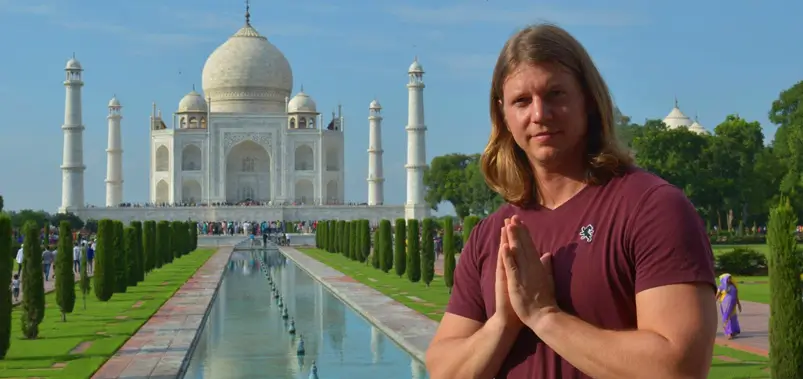
Summer in Agra can be extremely hot, particularly between late morning and mid-afternoon.
Temperatures frequently range between:
35°C and 45°C
Comfort becomes far more important than fashion.
The best summer clothing includes:
Avoid:
Light coloured clothing reflects sunlight better than darker colours and helps keep you cooler while walking around the monument.
For sunrise visits, temperatures remain pleasant, making early morning the ideal time for sightseeing during summer.
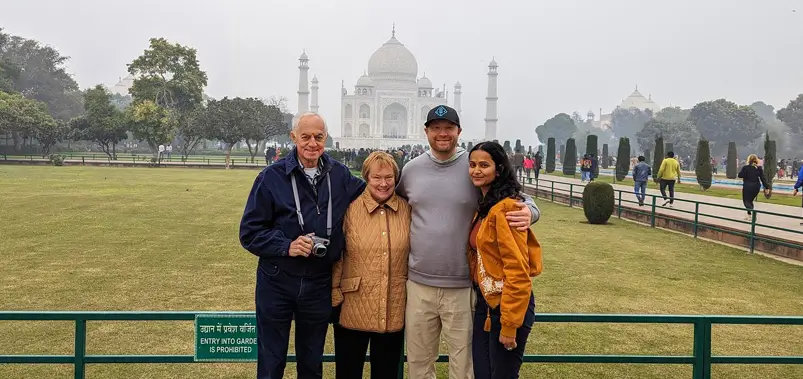
Winter is widely considered the best season to visit the Taj Mahal.
Morning temperatures may range between:
8°C and 18°C
Afternoons usually become comfortably warm.
Layering is the most practical approach.
Recommended winter clothing:
By late morning, many visitors remove their jackets as temperatures rise.
Travellers planning sunrise photography should always carry an extra layer because mornings near the Yamuna River can feel noticeably cooler.
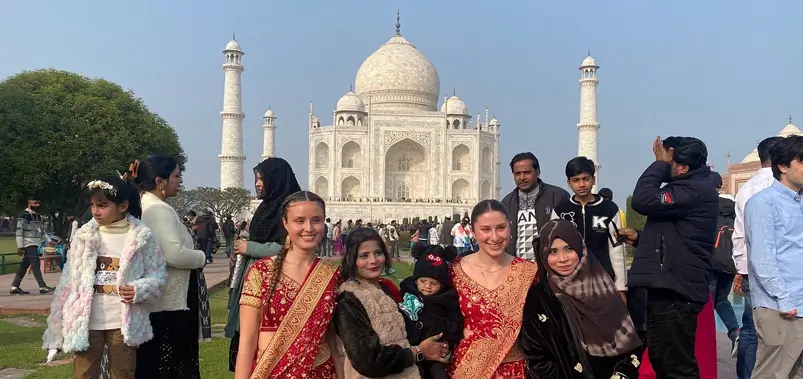
The monsoon transforms Agra into a greener, quieter destination, but occasional rain showers require slightly different clothing choices.
Quick drying fabrics work best.
Recommended items include:
Avoid wearing clothing that becomes heavy when wet.
A small waterproof backpack cover is also useful for protecting cameras and electronic devices.
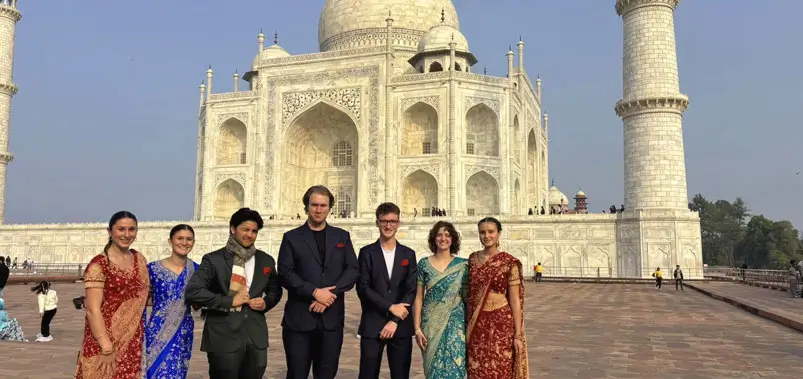
The Taj Mahal's brilliant white marble acts as a neutral background, allowing many colours to stand out beautifully in photographs.
Some shades create especially striking images.
These colours complement the white marble while creating elegant contrast.
Neutral earth tones also work well for travellers seeking timeless photographs.
Avoid neon colours or clothing with large logos, as these can dominate the composition and distract from the monument.
Visitors often underestimate how much walking is involved during a Taj Mahal visit.
From the parking area or shuttle stop to the entrance gates, through the gardens, around the marble platform, and back again, most visitors walk 3–5 kilometres over the course of their visit.
The ideal footwear includes:
Avoid:
Some areas near the main mausoleum require visitors to remove their shoes or wear protective shoe covers before stepping onto the marble platform.
Women visiting the Taj Mahal have complete freedom to choose comfortable clothing, but selecting outfits that balance practicality, elegance, and cultural sensitivity usually results in a more enjoyable experience.
Since most visitors spend between 2.5 and 4 hours walking outdoors, breathable fabrics are far more important than heavy fashion pieces.
Excellent outfit choices include:
These outfits remain comfortable in warm weather while also looking elegant in photographs.
Morning temperatures, especially between November and February, can feel cool.
A light jacket, shawl, or cardigan is usually enough and can easily be removed once the weather becomes warmer.
During the hotter months:
Simple accessories generally work better than heavy jewellery.
Many travellers prefer:
Large handbags become tiring after several hours of sightseeing, so a compact cross body bag or small backpack is often the better choice.
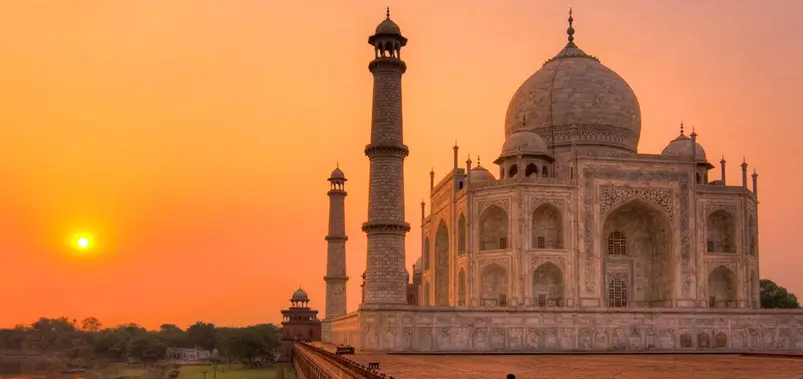
Comfort should also be the priority for male travellers.
Well fitted but breathable clothing allows easier movement throughout the monument while keeping visitors comfortable in changing temperatures.
Recommended clothing includes:
For photography, neutral colours such as navy, olive, beige, white, and light blue complement the white marble beautifully.
Avoid:
Instead choose:
Layering works well.
A typical winter outfit might include:
This combination remains practical throughout the day as temperatures gradually increase.
Families visiting the Taj Mahal should prioritise children's comfort above everything else.
Young travellers spend considerable time walking and standing, making lightweight clothing essential.
Recommended clothing includes:
Parents should also carry:
Bright clothing can also help parents easily identify children in crowded areas.
Senior visitors often spend longer exploring the monument at a slower pace.
Comfortable clothing helps reduce fatigue.
Recommended items include:
Visitors requiring walking assistance should also consider carrying a lightweight walking stick if normally used.
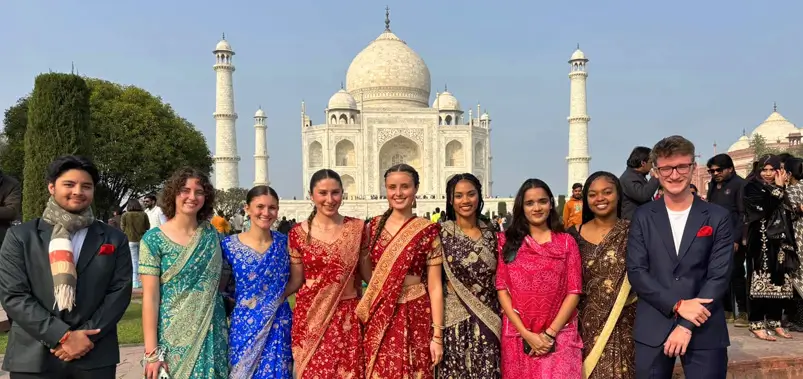
Although there is no strict dress code, respectful clothing reflects appreciation for India's cultural heritage.
Visitors generally feel more comfortable when clothing covers the shoulders and reaches at least the knees.
This is particularly useful if your itinerary also includes nearby religious sites such as:
Simple, elegant clothing blends naturally with the surroundings and is appreciated by local visitors.
Photography should also remain respectful.
Avoid climbing on restricted structures or choosing poses that interfere with other visitors enjoying the monument.
The right accessories often improve comfort more than expensive clothing.
Carry:
Carry:
Useful items include:
Keeping accessories lightweight makes security checks faster and walking more comfortable.
A small day bag is usually sufficient.
|
Item |
Recommended |
|---|---|
|
Passport |
✔ |
|
Entry Ticket |
✔ |
|
Mobile Phone |
✔ |
|
Camera |
✔ |
|
Sunglasses |
✔ |
|
Sunscreen |
✔ |
|
Water Bottle |
✔ |
|
Comfortable Shoes |
✔ |
|
Hat |
✔ |
|
Portable Charger |
✔ |
Avoid carrying unnecessary luggage, as larger bags take longer to pass through security screening.
Many travellers realise only after arriving that small clothing choices can affect their comfort.
Brand new footwear often causes discomfort during several hours of walking.
Comfortable, well worn shoes are a much better choice.
Thick denim and synthetic materials become uncomfortable during warmer months.
Natural fabrics remain cooler throughout the day.
Winter mornings may require a jacket, while summer afternoons demand maximum sun protection.
Checking the forecast before leaving your hotel helps you dress appropriately.
Large handbags and unnecessary items become inconvenient during security screening and long walks.
Travel light whenever possible.
Many visitors prioritise appearance over comfort.
The best photographs usually come when travellers feel relaxed and comfortable rather than overheated or tired.
Yes.
If you forget essential clothing or accessories, Agra offers numerous shopping options.
Popular purchases include:
Shopping areas around Sadar Bazaar, Kinari Bazaar, and Fatehabad Road offer a wide range of choices suitable for international visitors.

We promise you a holiday where everything is taken care of from the moment you land. Trusted drivers waiting for you, handpicked hotels that fit your style, personalized itineraries designed just for your family, and a dedicated team on call 24/7. All you need to do is relax, explore, and create unforgettable memories, while we take care of every detail behind the scenes.
Dress for comfort first. Lightweight, breathable clothing, supportive footwear, and weather-appropriate layers will allow you to enjoy the Taj Mahal for several hours without discomfort while still looking great in photographs.
Sunglasses, sunscreen, a refillable water bottle, portable charger, and a hat are among the most useful items.
Yes, but a small day bag is much more practical than a large backpack and helps speed up security checks.
Visitors entering the main marble platform near the mausoleum are generally required to remove their shoes or wear protective shoe covers provided at the site.
Yes. Winter mornings can be cool, especially for sunrise visits, so carrying a light jacket or sweater is advisable.
Lightweight cotton or linen clothing, sunglasses, a hat, and comfortable footwear help you stay cool.
Comfortable walking shoes or supportive sandals are the best choices because visitors typically walk several kilometres during their visit.
Emerald green, royal blue, burgundy, mustard yellow, soft pink, cream, lavender, and white create beautiful contrast against the monument's white marble.
Yes. Shorts are allowed, although many visitors prefer lightweight trousers or longer shorts for comfort and sun protection.
No. However, comfortable and respectful clothing is recommended for all visitors.