A Golden Triangle Tour with Ayodhya Ram Mandir extends the traditional Delhi–Agra–Jaipur circuit to one of the most significant pilgrimage destinations in Uttar Pradesh. It works particularly well for travellers who want their India holiday to include both major historical monuments and places connected with Hindu religious traditions.
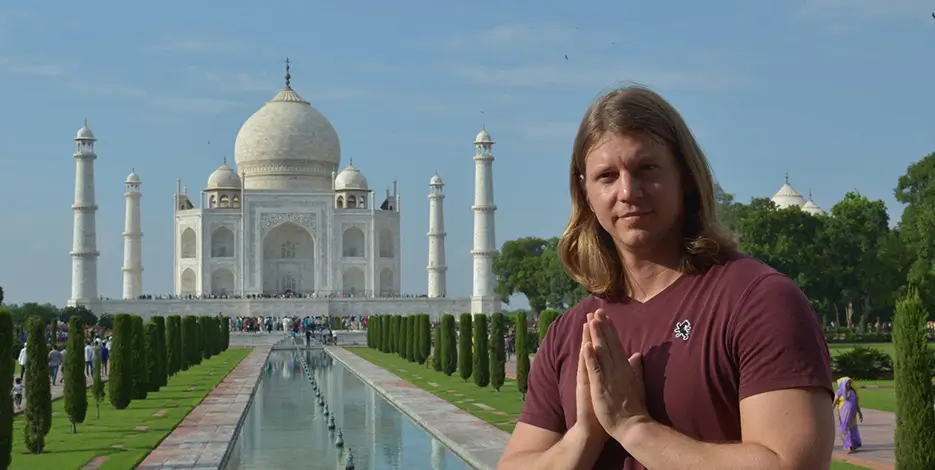
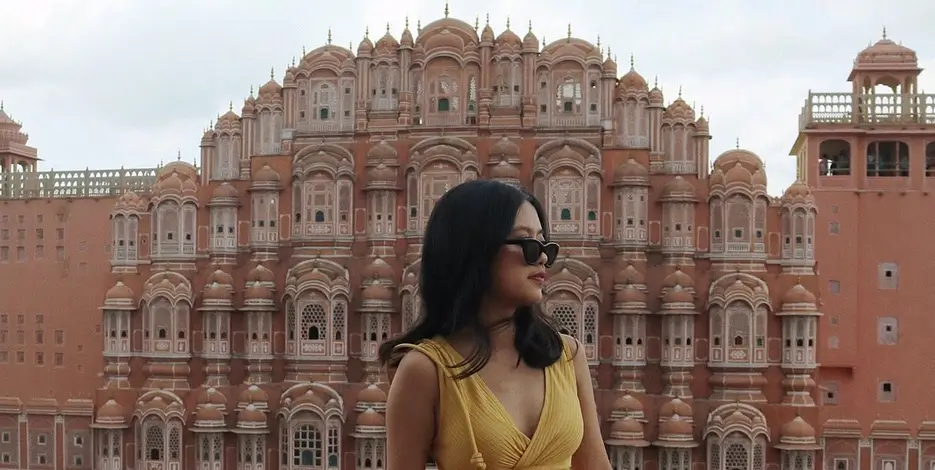
The Golden Triangle section introduces three distinct cities. Delhi covers layers of history through Old Delhi, Mughal monuments, religious landmarks and the administrative capital. Agra provides access to the Taj Mahal and Agra Fort, while Jaipur introduces Rajasthan through Amber Fort, City Palace, Jantar Mantar, Hawa Mahal and traditional markets.
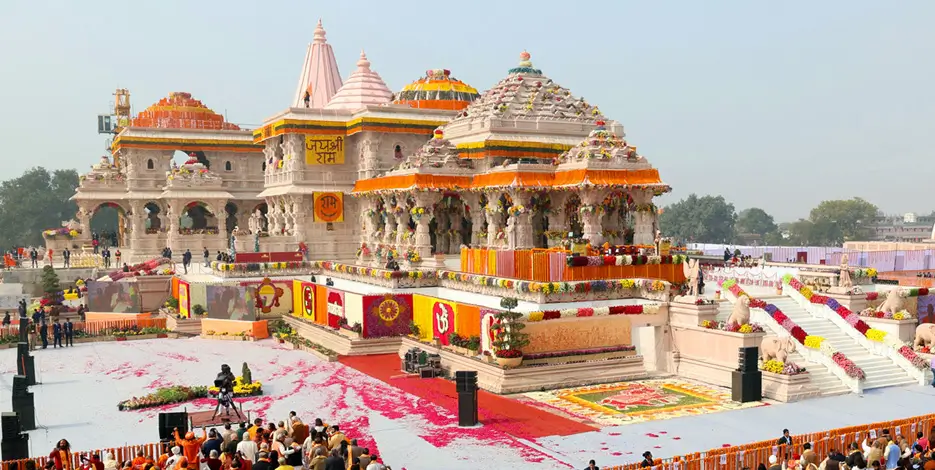
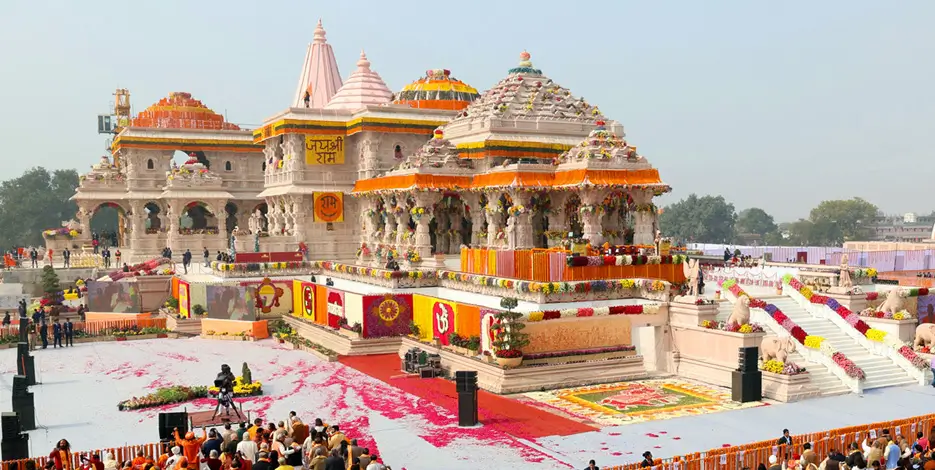
Ayodhya changes the emphasis of the journey. The city is closely associated with Lord Rama and occupies an important position within Hindu tradition. The Shri Ram Janmabhoomi Mandir is the principal pilgrimage focus, but a meaningful stay should not be limited to one temple visit. Hanuman Garhi, Kanak Bhawan, the Sarayu riverfront and other religious sites help visitors understand Ayodhya as a living pilgrimage city rather than simply an extension added to a sightseeing circuit.
A Delhi Agra Jaipur Ayodhya Tour is particularly suitable for overseas Indians, Hindu families, senior travellers, first-time visitors interested in Indian religion and international guests who want a broader cultural understanding of North India.
The route can be arranged in different sequences according to flight and train schedules. Ayodhya is geographically outside the classic Golden Triangle, so the transport plan should be selected for convenience rather than forcing every sector to be covered by road.
How Many Days Do You Need for a Golden Triangle Tour with Ayodhya?
The standard Golden Triangle can be covered quickly, but adding Ayodhya requires enough time for the additional journey and temple visits. Six days should generally be regarded as a compact programme, while seven to ten days provides a more comfortable balance.
|
Duration
|
Suggested Route
|
Best Suited For
|
Travel Pace
|
|
5 Day Golden Triangle with Ayodhya
|
Delhi – Agra – Jaipur + Ayodhya
|
Travellers with strict time limits
|
Fast
|
|
6 Day Delhi Agra Jaipur Ayodhya Tour
|
Golden Triangle + Ayodhya
|
Short private holidays
|
Moderately fast
|
|
7 Day Golden Triangle with Ayodhya
|
Delhi – Agra – Jaipur – Ayodhya
|
First-time visitors
|
Balanced
|
|
8 Day Ayodhya Golden Triangle Tour
|
Golden Triangle + detailed Ayodhya stay
|
Families and pilgrims
|
Comfortable
|
|
10 Day Golden Triangle Ayodhya Tour
|
Delhi – Agra – Jaipur – Ayodhya + additional spiritual sites
|
Cultural and religious travellers
|
Relaxed
|
|
12+ Day North India Spiritual Tour
|
Golden Triangle + Ayodhya + Varanasi/Prayagraj
|
Longer pilgrimage holidays
|
Leisurely
|
A 5 Day Golden Triangle with Ayodhya Tour is possible, but it involves a tightly controlled schedule. It is most appropriate for travellers who have limited leave or are adding the route to another trip.
Seven or eight days is more suitable for many visitors. Delhi, Agra and Jaipur receive sufficient sightseeing time, while Ayodhya can include the Ram Mandir and additional sacred places without requiring the traveller to arrive and depart on the same day.
A 10 Day Golden Triangle with Ayodhya Tour provides room for a slower pace or an additional religious destination. Varanasi and Prayagraj become particularly relevant when the purpose of the trip includes Hindu pilgrimage rather than conventional sightseeing alone.
The correct duration also depends on the age and mobility of the travelling party. Families travelling with senior members should avoid designing an itinerary around repeated early departures and long transfers immediately followed by temple visits.
Best Time to Visit the Golden Triangle and Ayodhya
October through March generally provides comfortable conditions for a Golden Triangle Ayodhya Tour. Delhi, Agra, Jaipur and Ayodhya are all in northern India, so winter conditions are considerably easier for walking and outdoor sightseeing than the peak summer months.
December and January can have cold mornings and occasional fog. This is particularly relevant when the itinerary depends on early road, rail or flight connections.
|
Month
|
General Conditions
|
Planning Consideration
|
|
October
|
Warm to pleasant
|
Good period for sightseeing and pilgrimage
|
|
November
|
Pleasant
|
Comfortable for temple and monument visits
|
|
December
|
Cool mornings and evenings
|
Warm layers recommended
|
|
January
|
Cool with possible fog
|
Keep flexibility around transport
|
|
February
|
Pleasant
|
Excellent conditions for touring
|
|
March
|
Warm
|
Earlier sightseeing works well
|
|
April
|
Hot
|
Reduce outdoor activity during midday
|
|
May
|
Very hot
|
Temple and monument visits need careful timing
|
|
June
|
Very hot
|
Air-conditioned transport is important
|
|
July
|
Hot with monsoon rain
|
Flexible daily planning required
|
|
August
|
Humid with rainfall
|
Religious dates can affect visitor numbers
|
|
September
|
Warm with reducing rain
|
Conditions gradually improve
|
Religious festivals and important Hindu dates require separate consideration. Ayodhya can receive substantially larger numbers of pilgrims during major celebrations. Travellers who specifically want to be present during an important religious occasion should expect more crowded conditions, traffic controls and stronger demand for accommodation.
Visitors who prefer a quieter Ayodhya Ram Mandir Tour may find ordinary weekdays outside major festival periods easier for temple visits.
Our Golden Triangle Tour with Ayodhya Packages
Our Golden Triangle Tour with Ayodhya packages can be planned for cultural travellers, Hindu pilgrims, overseas Indian families, senior visitors and international guests who want religious sites incorporated into a broader North India holiday.
The balance between sightseeing and pilgrimage can be changed according to the traveller. Some guests want Delhi, Agra and Jaipur to remain the main focus with a short Ayodhya extension. Others regard Ram Mandir as the principal reason for travelling and want the rest of the route organised around their pilgrimage.
Delhi Agra Jaipur with Ayodhya
A Delhi Agra Jaipur Ayodhya Tour package provides one of the broadest introductions to North India within a relatively compact itinerary.
Delhi can include historical monuments and religious sites according to the traveller’s interests. Old Delhi introduces Jama Masjid, Chandni Chowk and the historic heart of the capital, while New Delhi contains important monuments from several periods.
Agra brings the Taj Mahal into the programme. A private guide can provide historical context rather than reducing the visit to a photographic stop. Agra Fort is also important for understanding the Mughal period and should be included when the schedule permits.
Jaipur shifts the architectural focus towards Rajasthan. Amber Fort, City Palace and Jantar Mantar are among the principal landmarks, while the old city provides opportunities for markets, crafts and local food.
Ayodhya then gives the itinerary a religious dimension that none of the other three cities can replicate.
Golden Triangle with Ram Mandir Darshan
For many travellers, the central purpose of the extension is Ram Mandir Darshan in Ayodhya.
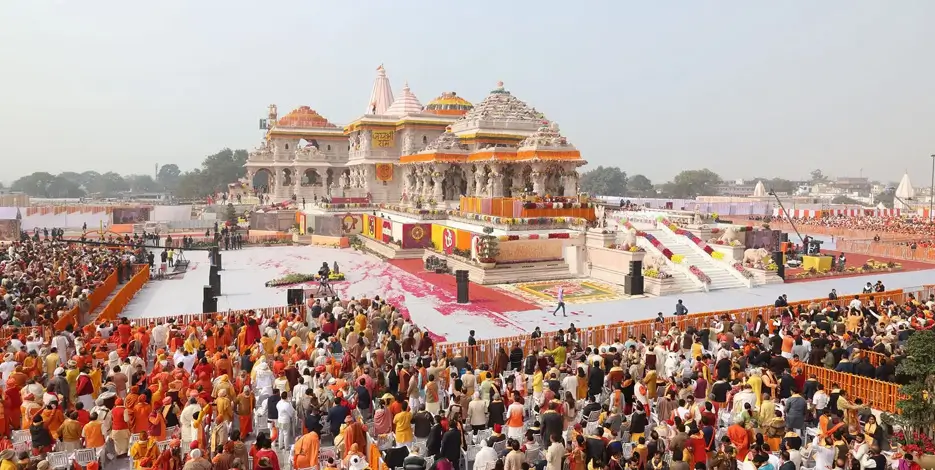
The temple visit should be planned around current access procedures and operating arrangements rather than assuming that a fixed sightseeing schedule can always be followed. Security checks, pilgrim numbers, religious occasions and local traffic can affect the amount of time required.
Travellers should carry only necessary items and follow the applicable instructions regarding permitted belongings. Temple procedures can change, so current arrangements should be verified close to the date of travel.
A private itinerary allows sufficient time to be reserved for the visit instead of treating Ayodhya Ram Mandir Darshan as a quick stop between transfers.
Visitors who regard darshan as the most important part of the holiday should communicate this during itinerary planning so that unnecessary activities are not scheduled immediately before or after the temple visit.
Important Places to Visit in Ayodhya
A good Ayodhya tour package should allow travellers to see more than the principal temple. The city contains several sites associated with religious traditions and the story of Lord Rama.
Shri Ram Janmabhoomi Mandir
The Ram Mandir in Ayodhya is the principal pilgrimage site and the centre of most contemporary visits to the city. Travellers should allow sufficient time for access procedures, security and darshan.
The temple should be approached as an active religious site. Appropriate behaviour and respect for local rules are more important than treating the visit as conventional monument sightseeing.
Hanuman Garhi
Hanuman Garhi Ayodhya is one of the city’s important temples and is dedicated to Lord Hanuman. The temple is reached by a series of steps, which should be considered when planning visits for elderly travellers or anyone with mobility limitations.
For many pilgrims, Hanuman Garhi forms an important part of the religious programme alongside Ram Mandir.
Kanak Bhawan
Kanak Bhawan Ayodhya is associated with Lord Rama and Goddess Sita and is another significant stop on a pilgrimage itinerary.
Its setting and religious importance make it useful for visitors who want to understand Ayodhya beyond the single Ram Janmabhoomi site.
Sarayu River and Ghats
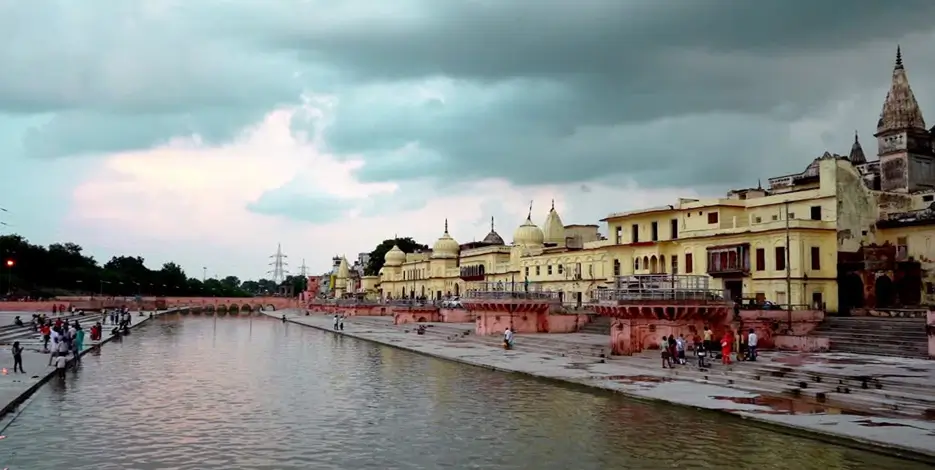
The Sarayu River occupies an important place in Ayodhya’s religious identity. Time around the Sarayu Ghats Ayodhya can provide a quieter contrast to the more heavily visited temple areas.
Depending on the schedule and local arrangements, travellers may visit the riverfront during morning or evening hours.
Other Sacred Sites
Ayodhya contains numerous smaller temples and places connected with different traditions. Not every traveller needs to visit every religious site. The selection should depend on available time and the purpose of the pilgrimage.
A knowledgeable local guide can be particularly useful for visitors unfamiliar with the religious context of the city.
Golden Triangle with Ayodhya and Varanasi
Travellers wanting a stronger spiritual component can extend the route further with Varanasi. A Golden Triangle Tour with Ayodhya and Varanasi combines major historical cities with two of North India’s most important Hindu pilgrimage destinations.
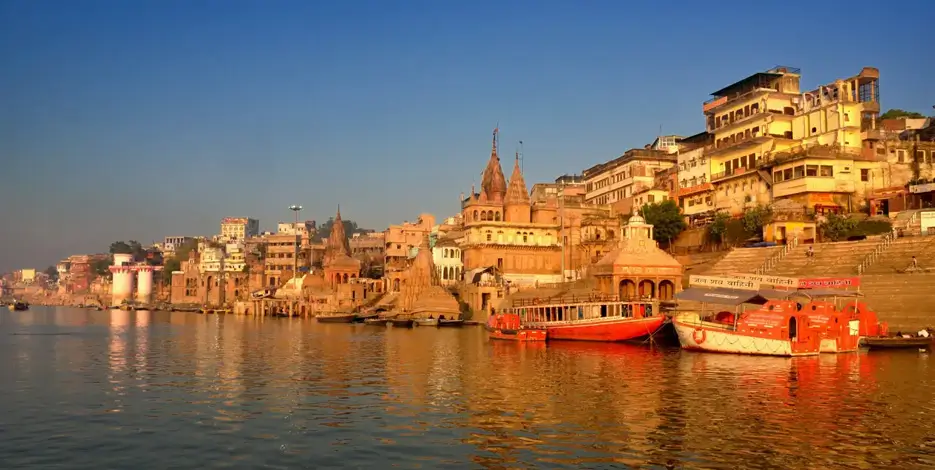
Varanasi and Ayodhya should not be treated as similar experiences. Ayodhya is strongly connected with Lord Rama and the Ramayana tradition, while Varanasi is centred on the Ganges, ancient temples, ghats, pilgrimage practices and the religious life of one of India’s oldest continuously inhabited cities.
Varanasi can include an early morning boat journey on the Ganges, old-city walks and evening ceremonies along the river according to the itinerary.
A Delhi Agra Jaipur Ayodhya Varanasi Tour requires more days than a basic Golden Triangle extension. Around ten to twelve days provides a more sensible starting point, depending on the depth of sightseeing required.
Suitable flights or trains can reduce unnecessary road travel between distant destinations.
Golden Triangle with Ayodhya and Prayagraj
Prayagraj is another logical addition for travellers whose priority is pilgrimage. A Golden Triangle Ayodhya Prayagraj Tour can incorporate the Triveni Sangam, where the Ganges and Yamuna meet and where Hindu tradition also recognises the sacred Saraswati.
The city has particular importance during major religious gatherings, but it remains a pilgrimage destination outside festival periods.
Ayodhya and Prayagraj can also be combined with Varanasi to create a broader North India pilgrimage tour after the Golden Triangle.
This type of programme should be given enough time. Adding several sacred cities to a short itinerary can create long road journeys and leave very little time for the religious activities that motivated the trip.
Private Car, Driver and Transport Planning
A private Golden Triangle Tour with Ayodhya requires a combination of practical transport arrangements.
Delhi, Agra and Jaipur work particularly well as a private road circuit. A dedicated air-conditioned vehicle allows travellers to control departure times, rest stops and the daily sightseeing pace.
Ayodhya is further east, so the best connection depends on the sequence of the complete itinerary. Flights, trains and road transfers can all be considered according to current schedules and the traveller’s preferences.
There is little value in insisting that every destination be connected by road when another option can save substantial travel time. A well-planned private Ayodhya tour should use the transport method that creates the most comfortable overall programme.
Once in Ayodhya, local traffic arrangements and restrictions around important religious areas may influence how close vehicles can travel to particular sites. Travellers should be prepared for some walking and local access procedures.
Ayodhya Tours for Families
A Golden Triangle Ayodhya family tour is particularly relevant for Indian-origin families living overseas who want younger family members to visit major historical landmarks while also understanding important Hindu religious sites.
The itinerary should account for different generations. Children may not want long periods of detailed historical guiding, while grandparents may require more rest and less walking.
Private transport helps considerably because the family can modify departure times and stop when required. Hotel selection should consider room configurations, lifts and convenient access rather than focusing only on star category.
Families visiting for religious reasons may also want additional time at Ram Mandir instead of a tightly packed sightseeing schedule.
Ayodhya Tours for Senior Travellers
Ayodhya attracts many senior pilgrims, making pacing particularly important.
A Golden Triangle Tour with Ayodhya for seniors should reduce unnecessary hotel changes, avoid repeated late arrivals and allow adequate rest between sightseeing days.
Some religious sites involve steps, walking or queues. Hanuman Garhi in particular needs to be considered carefully for travellers with mobility limitations.
Hotel location can also matter. A comfortable property with suitable accessibility may be more useful than choosing accommodation solely for decorative or heritage appeal.
Private vehicles should provide adequate space and easy entry and exit. Where required, the sightseeing programme can be shortened without affecting the rest of the travelling party.
Temple Etiquette and Practical Planning
Religious sites should be approached differently from forts, museums and archaeological monuments.
Modest clothing is appropriate for a Ram Mandir Ayodhya Tour and other temple visits. Footwear generally needs to be removed before entering designated sacred areas, and visitors should follow instructions provided at the site.
Photography and mobile phone rules can vary. Travellers should never assume that photography is permitted simply because a site is open to visitors.
Security procedures may restrict certain belongings. Carrying unnecessary bags and equipment can make access more complicated.
Crowds also fluctuate significantly according to the day, religious calendar and local events. During busy periods, additional time should be kept available instead of scheduling an important train or flight immediately after a temple visit.
International visitors who are unfamiliar with Hindu worship do not need to participate in rituals. Respectful observation and following local instructions are sufficient.
Planning the Right Golden Triangle Ayodhya Itinerary
The first decision should be whether Ayodhya is a cultural extension or the principal purpose of the holiday.
For travellers mainly interested in Delhi, Agra and Jaipur, one or two nights in Ayodhya may be sufficient. The programme can include Ram Mandir Darshan, Hanuman Garhi, Kanak Bhawan and the Sarayu riverfront according to available time.
Pilgrims may prefer to reverse the priorities. More time can be reserved for temples, religious activities and a slower stay in Ayodhya, while the Golden Triangle sightseeing can focus on its principal landmarks.
Those with ten days or more can consider Varanasi or Prayagraj. These additions create a stronger Golden Triangle spiritual tour India and make better use of the journey towards eastern Uttar Pradesh.
Hotel selection, transport and daily pacing should reflect the travelling party. A young couple, an international cultural traveller and a multi-generation Hindu family will not require identical programmes.
Our custom Golden Triangle Tour with Ayodhya can therefore be structured around the number of available days, temple priorities, hotel preferences, mobility requirements, private vehicle needs and additional pilgrimage destinations.