
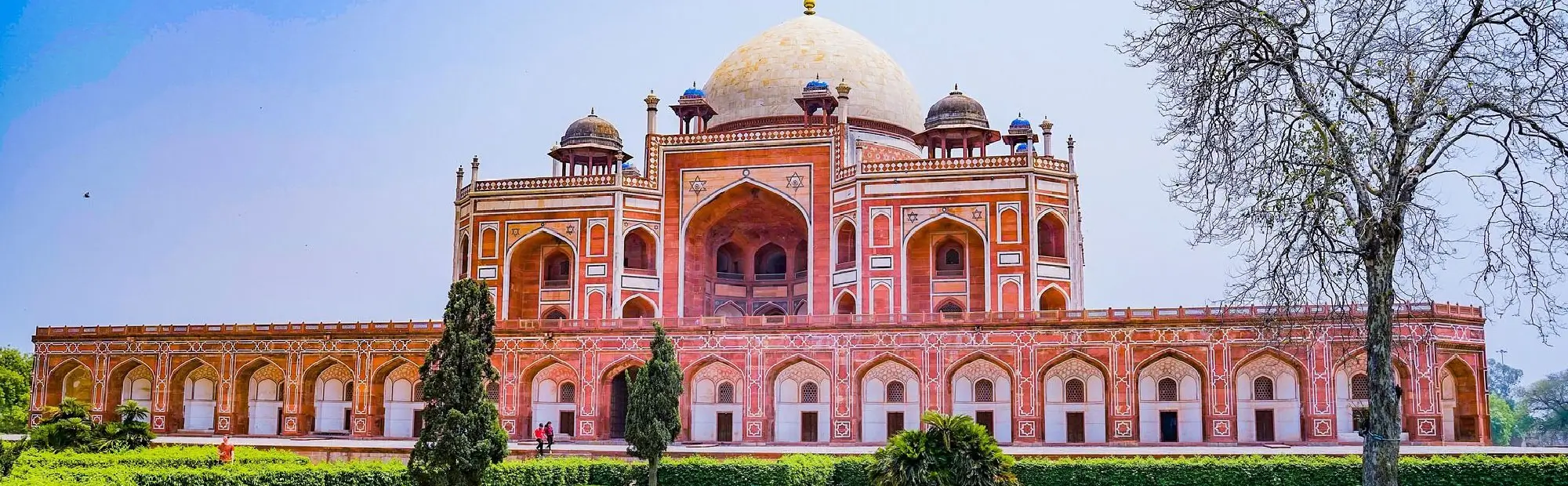
Delhi is not only the capital of India but also the cultural and historical gateway to North India. As the starting point of the Golden Triangle tour, Delhi introduces travellers to the country’s layered history, architectural diversity, and dynamic urban life. For most international visitors, Delhi is the first encounter with India — and it leaves a powerful impression.
The city represents more than 1,000 years of political and architectural evolution. Successive dynasties — from the Delhi Sultanate to the Mughal Empire and later the British colonial administration — have shaped its skyline. Today, Delhi blends medieval mosques, Mughal tombs, colonial boulevards, modern business districts, and vibrant residential neighborhoods into one living capital.
For international travellers, Delhi provides both intensity and accessibility. It is a city of contrasts — ancient stone structures standing beside contemporary infrastructure. Yet despite its scale, Delhi remains manageable when explored with structured planning and professional guidance.

Qutub Minar, Jama Masjid, India Gate, Red Fort, Lotus Tample, Chandani Chowk

October – March
Cool and comfortable temperatures ideal for outdoor sightseeing.

2–3 Days
Allows balanced exploration of Old Delhi and New Delhi.

English, Hindi
English is widely spoken in hotels, monuments, and tourism services.
Delhi can broadly be understood in two historical sections: Old Delhi and New Delhi.
Old Delhi, founded by Mughal Emperor Shah Jahan in the 17th century, represents imperial Islamic architecture and dense traditional markets. Walking through Chandni Chowk offers a sensory experience — spice markets, street food vendors, silver jewelry shops, and centuries-old trade routes. Jama Masjid, one of India’s largest mosques, dominates the skyline and provides elevated views across the old city.
This part of Delhi feels energetic and authentic. For many visitors, it is their first immersion into the rhythm of everyday India. Narrow lanes and historic havelis tell stories of merchants, scholars, and emperors.
New Delhi, designed by British architects Edwin Lutyens and Herbert Baker in the early 20th century, offers a completely different atmosphere. Wide tree-lined avenues, structured roundabouts, and monumental government buildings reflect colonial urban planning. India Gate and Rashtrapati Bhavan symbolize India’s political center.
Between these two worlds lies a rich collection of UNESCO World Heritage Sites. Humayun’s Tomb, often considered the architectural precursor to the Taj Mahal, demonstrates early Mughal garden design. Qutub Minar, a 12th-century victory tower, represents the earliest Islamic rule in Delhi.
Delhi is also a culinary capital. From refined North Indian cuisine to global fine dining, the city offers exceptional diversity. Luxury hotels curate regional tasting menus, while modern restaurants reinterpret traditional dishes in contemporary style. Food tours in Old Delhi provide insight into Mughal-influenced flavors and centuries-old cooking methods.
The city’s hotel infrastructure is among the strongest in India. International luxury brands, heritage-style properties, and business-class hotels ensure comfort for global travellers. Many Golden Triangle itineraries include premium stays in Delhi before continuing to Agra.
Beyond monuments, Delhi provides cultural experiences such as curated museum visits, art galleries in Lodhi Colony, and evening walks through heritage neighborhoods. Contemporary Delhi is young and evolving — a blend of tradition and innovation.
Because of its large international airport, Delhi functions as both arrival and departure point for most North India itineraries. It offers travellers time to adjust to India’s environment before continuing toward Agra and Jaipur.
Well-organized sightseeing, licensed guides, and private transportation make exploration smooth and structured. Traffic can be heavy during peak hours, which is why planned routing is important for efficient travel.
For many visitors, Delhi sets the tone for the rest of their India journey. It presents complexity, history, modernity, and cultural diversity within a single destination.

Indira Gandhi International Airport (major global connections)

Interstate buses from North Indian cities

Extensive national railway connectivity
We promise you a holiday where everything is taken care of from the moment you land. Trusted drivers waiting for you, handpicked hotels that fit your style, personalized itineraries designed just for your family, and a dedicated team on call 24/7. All you need to do is relax, explore, and create unforgettable memories, while we take care of every detail behind the scenes.
Delhi is generally safe when using licensed guides and trusted transportation services.
Two to three days allow a balanced experience of historical and modern districts.
October to March offers the most comfortable weather.
Yes, licensed English-speaking guides are widely available.
Old Delhi reflects Mughal heritage; New Delhi reflects colonial and modern planning.
Yes, it serves as the main entry point and introduction to Indian culture.
Delhi is a large metropolitan city, but structured itineraries help manage time efficiently.
Qutub Minar and Humayun’s Tomb are UNESCO World Heritage Sites.
Yes, but guided tours enhance understanding of historical context.
Yes, Delhi offers international luxury hotel brands and premium experiences.
Yes, Agra is approximately 3–4 hours away by road.
Yes, Delhi is the starting and ending point of the Golden Triangle route.


