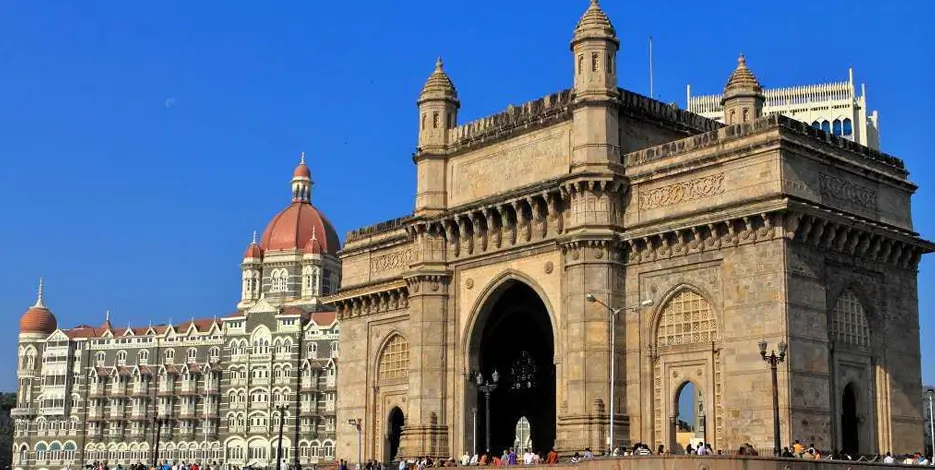
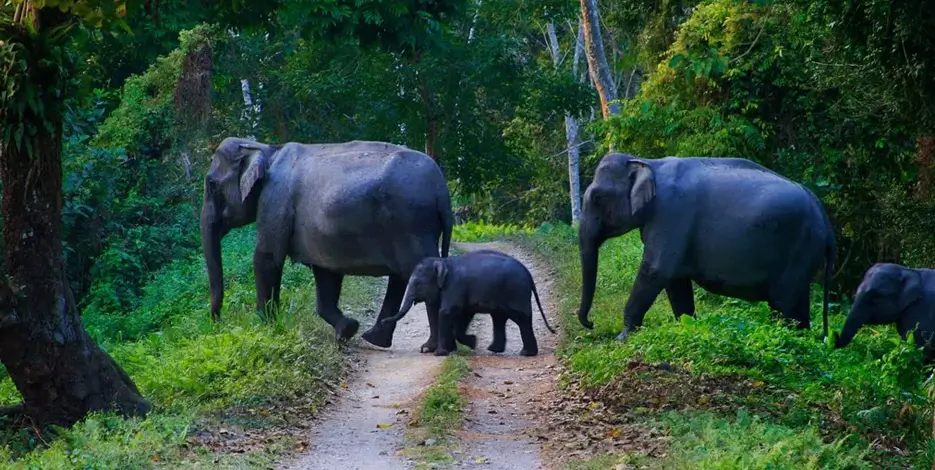
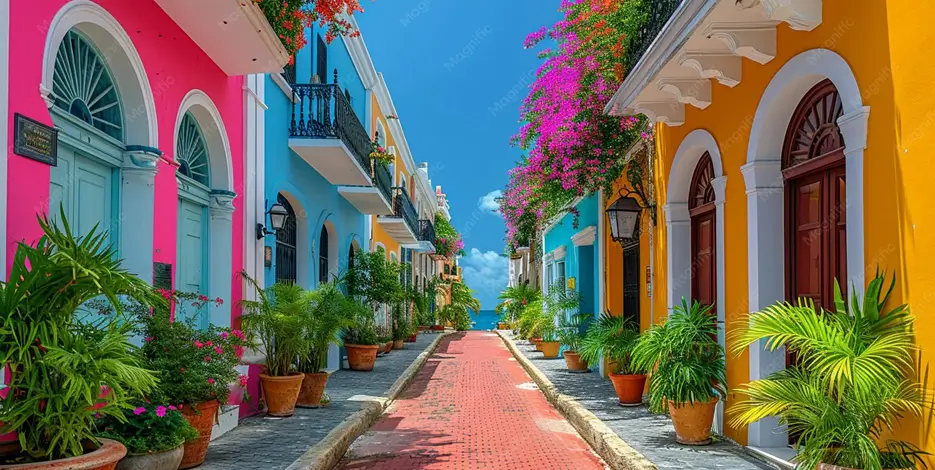
South India is bestowed with immense beauty of nature making it a paradise for every kind of traveler. The southernmost region of Indian geography has drawn the attention of tourists to seek the charming beauty of nature and serene backwaters. As Kerala is known as God’s Own Country while Goa is known as the “Beach Destination of India”, South India is a hub of places to visit and offer mind-blowing experiences to add in your bucket list.
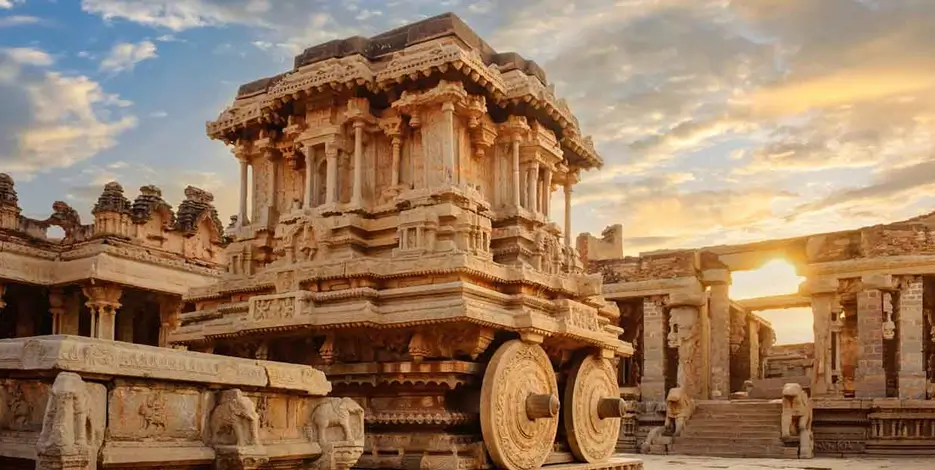
With its multihued culture, brimming with diversity and vibrancy, each and every state of South India has its own unique charm which makes them stand apart from the rest of India. Just as Bangalore is the IT hub, on the other hand, Ooty is a prominent Hill Station is loved by everyone. To know more about the history and heritage, Hampi or Badami in Karnataka is the most visited attractions of South India, while, to chill out on beaches of Kerala and Tamil Nadu are best in its own way.
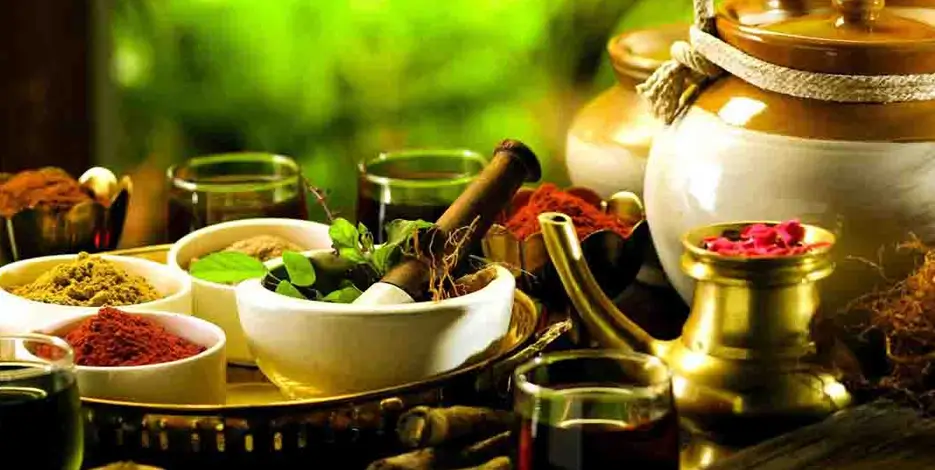
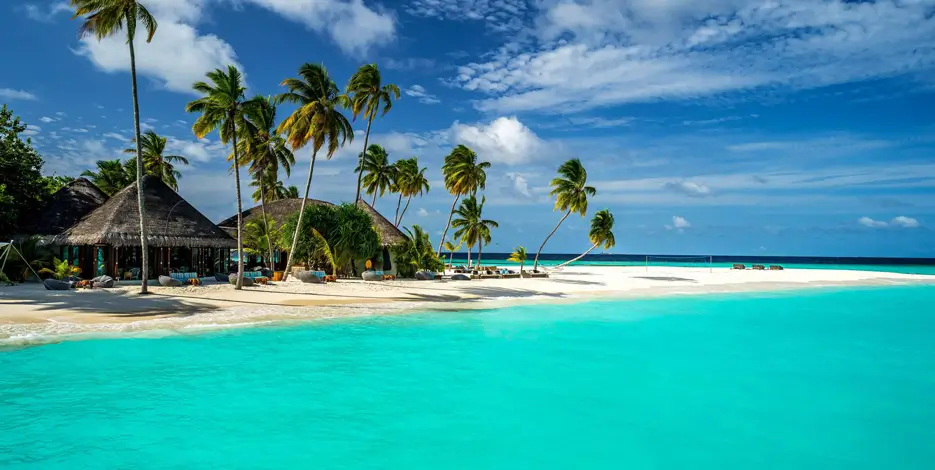
Golden Triangle Tour with South India considers the top-most destinations of North India i.e. Delhi, Agra, and Jaipur that form a triangle on the map of India along with exploring the jewels of South India. It includes different sorts of travel itineraries that are designed uniquely while considering the varied interests of travelers in India. Right from the fun of beach holidays in South India Beaches to the rejuvenation of Ayurvedic Treatme
Golden Triangle Tour with South India combines Delhi, Agra and Jaipur with destinations across Kerala, Tamil Nadu, Karnataka and other parts of southern India. These itineraries are best suited to travellers who want more than a short introduction to the country, bringing Mughal and Rajput heritage together with temple architecture, coastal landscapes, backwaters, hill regions and southern culinary traditions.
What Is a Golden Triangle Tour with South India?
A Golden Triangle Tour with South India combines two distinctly different parts of the country within one itinerary. The northern section normally covers Delhi, Agra and Jaipur, while the southern section can be designed around Kerala, Tamil Nadu, Karnataka or a combination of states depending on the number of days available.
Delhi provides a broad introduction to the capital through Old Delhi, Mughal monuments and important sites across New Delhi. Agra brings the Taj Mahal and Agra Fort into the programme, followed by Jaipur for Amber Fort, City Palace, Jantar Mantar, bazaars and Rajasthan’s architectural traditions. Once the Golden Triangle portion is complete, a domestic flight is normally the practical way to connect with South India.
The southern section changes the character of the holiday. Kerala can include Cochin, Munnar, Thekkady, Kumarakom, Alleppey and the backwaters. Tamil Nadu is particularly important for travellers interested in major temple complexes, historic towns and Dravidian architecture. Karnataka can add Mysore, Bengaluru, Hampi and other cultural centres.
A well-planned North and South India Tour should not attempt to make the two regions feel similar. Their differences are precisely why the combination works. Language, architecture, landscapes, food, religious traditions and the rhythm of daily life change considerably as the journey moves south.
How Many Days Do You Need for a Golden Triangle and South India Tour?
A combined itinerary needs more time than a standard Golden Triangle because South India is not a single destination. Travellers need to account for domestic flights as well as road transfers between southern cities.
|
Duration
|
Suggested Itinerary Style
|
Best For
|
Pace
|
|
10 Day North and South India Tour
|
Delhi – Agra – Jaipur + one southern destination
|
Limited holiday time
|
Fast
|
|
12 Day Golden Triangle with South India
|
Golden Triangle + compact Kerala/Tamil Nadu route
|
First-time visitors
|
Moderately paced
|
|
14 Day North and South India Tour
|
Delhi – Agra – Jaipur + 4–5 southern nights
|
Couples and cultural travellers
|
Balanced
|
|
15 Day Golden Triangle South India Tour
|
Golden Triangle + Kerala or Tamil Nadu circuit
|
First-time India holidays
|
Comfortable
|
|
18 Day North South India Tour
|
Golden Triangle + detailed southern circuit
|
Travellers wanting greater regional depth
|
Relaxed
|
|
21 Day India Tour
|
Delhi – Agra – Jaipur + multi-destination South India
|
Longer private holidays
|
Leisurely
|
Ten days should generally be considered the lower end for this combination. The Golden Triangle itself needs several days, leaving only a short southern extension. Such an itinerary works when a traveller has a specific priority, such as adding Cochin and the Kerala backwaters rather than trying to cover the whole of southern India.
Around fourteen to fifteen days provides a better balance. A 15 Day Golden Triangle with South India Tour can give Delhi, Agra and Jaipur sufficient time before continuing to a focused Kerala or Tamil Nadu itinerary.
Travellers with eighteen to twenty-one days have far more options. They can spend longer in Kerala, combine Tamil Nadu and Kerala, or create a route through Karnataka without turning every second day into a transfer day.
The number of destinations should remain proportionate to the total holiday length. Covering Delhi, Agra, Jaipur, Chennai, Madurai, Cochin, Munnar, Thekkady and Alleppey may look attractive on paper, but it only works when sufficient nights are available.
Best Time to Visit North and South India
Planning the best time for a North and South India Tour requires more thought than choosing a season for the Golden Triangle alone. Delhi, Agra and Jaipur have a northern climate, while southern destinations can have very different temperatures, rainfall patterns and humidity.
November to February is generally one of the easiest periods for combining the two regions. Northern India is cooler, while many parts of South India have comfortable conditions for touring.
|
Month
|
North India
|
South India
|
Travel Consideration
|
|
October
|
Warm to pleasant
|
Variable after monsoon
|
Good transition period
|
|
November
|
Pleasant
|
Generally comfortable
|
Strong month for combined travel
|
|
December
|
Cool
|
Pleasant in many regions
|
Excellent for a longer itinerary
|
|
January
|
Cool, possible northern fog
|
Generally warm and comfortable
|
Allow flexibility for northern transport
|
|
February
|
Pleasant
|
Warm
|
Strong sightseeing conditions
|
|
March
|
Becoming warm
|
Hotter in many areas
|
Earlier sightseeing recommended
|
|
April
|
Hot
|
Hot and humid in several regions
|
Careful daily scheduling needed
|
|
May
|
Very hot
|
Hot/humid
|
Better for selected hill regions
|
|
June
|
Hot/monsoon transition
|
Monsoon affects parts of the south
|
Route selection becomes important
|
|
July
|
Monsoon period
|
Rainfall varies by region
|
Suitable only with realistic expectations
|
|
August
|
Humid/rainy in many areas
|
Regional variation
|
Flexible touring required
|
|
September
|
Warm
|
Monsoon conditions vary
|
Check route-specific conditions
|
Kerala’s greenery and backwaters can be attractive outside the traditional winter peak, but travellers need to be comfortable with humidity and seasonal rainfall. Tamil Nadu also has a different rainfall pattern from Kerala, which is why broad statements about a single “South India monsoon” can be misleading.
The destinations should therefore determine the travel month, not simply the words South India. A Kerala and Golden Triangle Tour and a Golden Triangle with Tamil Nadu Tour can require different seasonal considerations.
Our Golden Triangle Tour with South India Packages
Our Golden Triangle Tour with South India packages are intended for travellers who want the historical importance of Delhi, Agra and Jaipur while seeing a contrasting part of India during the same holiday.
The southern section can concentrate on Kerala’s landscapes and backwaters, Tamil Nadu’s temples and historic cities, Karnataka’s royal and archaeological heritage, or a carefully paced combination.
Golden Triangle with Kerala
A Golden Triangle Tour with Kerala is one of the strongest combinations for first-time visitors because the contrast between the two regions is immediate.
After Delhi, Agra and Jaipur, travellers can fly south and continue through a route such as Cochin, Munnar, Thekkady and the Kerala backwaters. The exact sequence depends on flight schedules and the number of nights available.
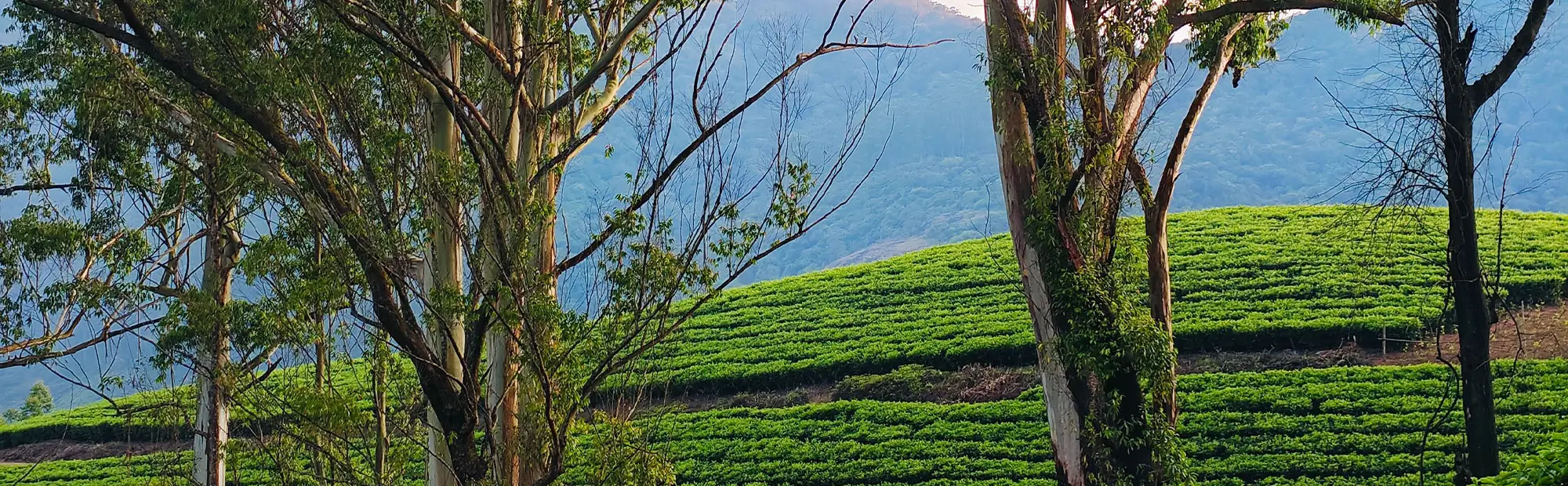
Cochin provides a historical coastal setting with influences connected to centuries of maritime trade. Munnar changes the landscape completely with tea-growing hills and cooler elevations. Thekkady can add forest surroundings and spice-growing areas, while the backwaters provide a slower final section to an otherwise sightseeing-intensive India itinerary.
A Golden Triangle with Kerala backwaters combination works particularly well when the traveller wants the second half of the holiday to have a different pace from Delhi, Agra and Jaipur.
Golden Triangle with Tamil Nadu
Tamil Nadu is better suited to travellers whose interests include religious history, temple architecture and long-established cultural centres.
A Golden Triangle Tour with Tamil Nadu can connect the northern circuit with Chennai and continue towards destinations such as Mahabalipuram, Pondicherry, Thanjavur, Madurai or other important temple towns according to available time.
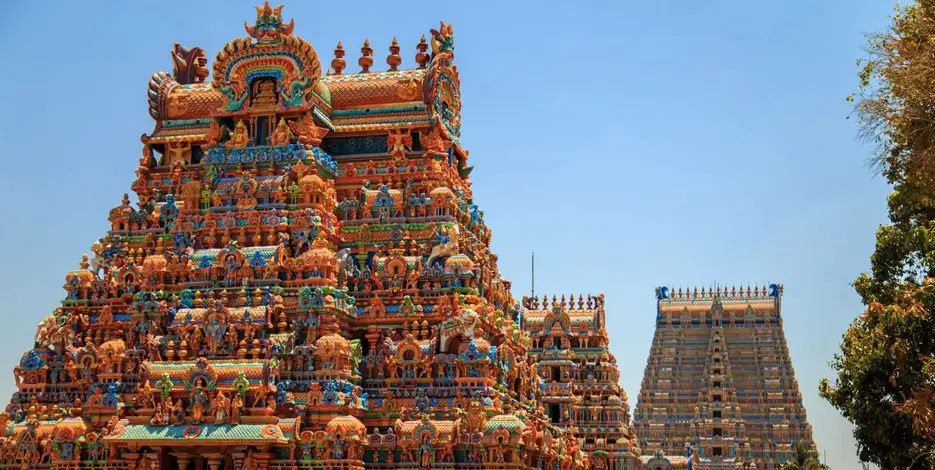
The architecture encountered here differs fundamentally from the Mughal buildings of Agra and the Rajput structures of Jaipur. Large temple complexes, carved stonework, gopurams and active places of worship make Tamil Nadu particularly rewarding for travellers who want to understand the architectural diversity of India.
Temple visits also require cultural awareness. Many are active religious sites rather than monuments created primarily for tourists. Appropriate clothing, footwear rules and restrictions in particular areas should be respected.
A private Tamil Nadu cultural tour allows enough time for these places rather than treating them as brief photographic stops.
Golden Triangle with Kerala and Tamil Nadu
Travellers with two to three weeks can combine both states. A Golden Triangle with Kerala and Tamil Nadu Tour creates one of the most varied cultural routes available within a single India holiday.
The itinerary can move from Delhi, Agra and Jaipur to Tamil Nadu’s temple cities before continuing towards Kerala. Alternatively, the sequence can be reversed according to flight connections and the international departure point.
This combination should not be compressed. Temple towns, hill regions and the backwaters each deserve sufficient time. A route that includes too many single-night stays can quickly become dominated by packing and road transfers.
Golden Triangle with Karnataka
Karnataka offers another direction for travellers interested in history and architecture. A Golden Triangle Tour with Karnataka can include Mysore, Bengaluru, Hampi or other destinations according to the length and focus of the holiday.
Mysore is known for its royal heritage and palace architecture, while Hampi provides a completely different historical setting through the extensive remains of the Vijayanagara Empire.
Hampi in particular benefits from adequate time. Its archaeological landscape covers a large area, and reducing the visit to a rushed excursion does not do justice to the site.
A Karnataka extension is therefore particularly appropriate for travellers who have already identified architecture and history as major priorities.
Kerala Backwaters and Houseboat Stays
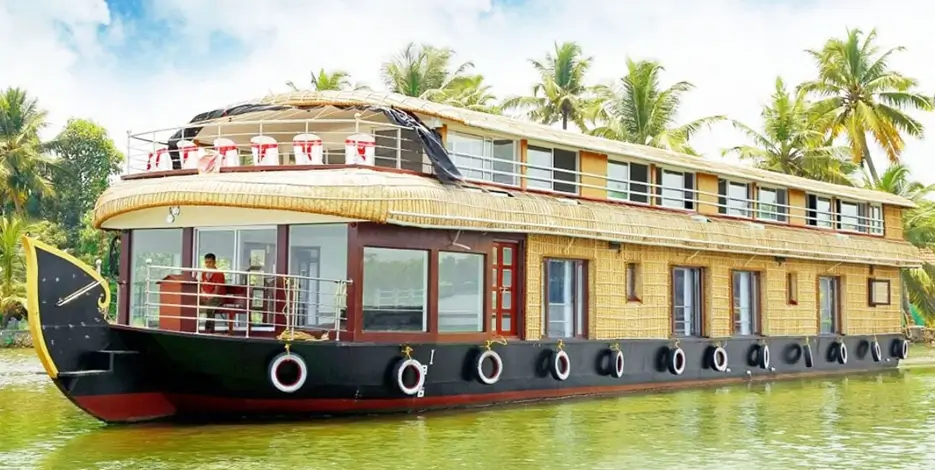
The Kerala backwaters are often one of the principal reasons travellers choose a Golden Triangle Kerala Tour. They should, however, be planned according to the style of trip rather than automatically adding an overnight houseboat to every itinerary.
Alleppey and Kumarakom are among the recognised bases for backwater travel. The landscape consists of waterways, villages, agricultural areas and lakes, creating a markedly different environment from the cities visited earlier in the holiday.
Houseboats vary significantly in size, facilities and service standards. Travellers should consider the quality of the vessel, cabin arrangements, meals and the actual cruising programme rather than comparing options only by category names.
Not every traveller needs to sleep on a houseboat. Staying at a quality backwater resort and taking a smaller daytime cruise can be a better choice for visitors who prioritise hotel facilities and a quieter night.
A private Kerala backwater tour can therefore be planned in several ways depending on comfort expectations and the overall itinerary.
Temples, Heritage and Cultural Differences in South India
One of the main strengths of a North India and South India holiday is the cultural range covered within a single trip.
Delhi and Agra contain important examples of Indo-Islamic and Mughal architecture. Jaipur introduces Rajput royal architecture and Rajasthan’s urban traditions. South India then brings different temple forms, languages, food traditions and historical kingdoms into the itinerary.
This change is particularly evident in Tamil Nadu, where temples continue to function as important religious and community spaces. Travellers may encounter ceremonies, pilgrims and daily worship alongside extraordinary architecture.
Southern cuisine also changes substantially from the food commonly associated with North Indian tourism. Rice, lentils, coconut, regional spices, seafood in coastal areas and numerous local preparations become more prominent depending on the state.
A good South India private tour should leave space for these differences rather than presenting the southern section as a collection of additional sightseeing attractions.
Private North and South India Tour with Car and Driver
A private North and South India Tour normally uses a combination of domestic flights and private road transport.
There is little practical reason to drive all the way from Rajasthan to southern India on a conventional holiday. A domestic flight saves considerable time and allows the itinerary to restart efficiently in the chosen southern gateway.
Within each region, a dedicated vehicle and experienced driver provide flexibility. The Golden Triangle can be covered by private car, while another suitable vehicle can be arranged after arrival in South India.
Private transport is particularly useful in Kerala and Tamil Nadu, where many routes involve several cities or smaller destinations. Travellers can leave according to their own schedule, take appropriate rest stops and travel directly between hotels without joining a fixed coach itinerary.
A South India Tour with private car and driver is also valuable for families and senior travellers because daily departure times can be adjusted to the group’s preferred pace.
Guides can be arranged separately at important historical and cultural sites. As with the Golden Triangle, the professional driver and sightseeing guide have different roles.
How to Plan the Right North and South India Itinerary
The most important decision is whether the traveller genuinely wants to cover both halves of the country or simply wants to add a few relaxing days after the Golden Triangle.
For a short extension, Kerala is particularly practical. A traveller can complete the Delhi Agra Jaipur Tour and then fly south for a focused stay in Cochin and the backwaters, or another compact Kerala combination.
For travellers primarily interested in temples and architecture, Tamil Nadu deserves more time than a brief extension. Chennai, Mahabalipuram, Thanjavur and Madurai can form a coherent cultural route without needing to add Kerala merely because it is nearby.
Those with longer holidays can combine several regions, but domestic flights should be used intelligently. Saving a day of unnecessary road or rail travel can provide an additional night at a destination that matters.
Accommodation should also reflect the route. A city hotel may be appropriate in Delhi or Chennai, a heritage property may suit parts of Rajasthan, a plantation-style stay can work around the hills, and a backwater resort can provide a slower section towards the end of the holiday.
Our custom North and South India tours can be designed around international flights, preferred hotel standards, interests, mobility requirements and the amount of road travel the traveller considers comfortable.
The objective is not to cover the largest possible number of states. A carefully planned itinerary that shows meaningful differences between North and South India is far more useful than a long destination list with insufficient time at each stop.
nt or Spa and Wildlife holidays, nothing could be missed in India, so plan your travel by choosing the best suitable travel package and embark the destinations hassle-free in India.