A Golden Triangle Tour with Wildlife combines the cultural circuit of Delhi, Agra and Jaipur with one or more national parks. Instead of spending the complete holiday moving between cities, forts and monuments, part of the itinerary is reserved for forests, safari drives and India’s varied wildlife habitats.
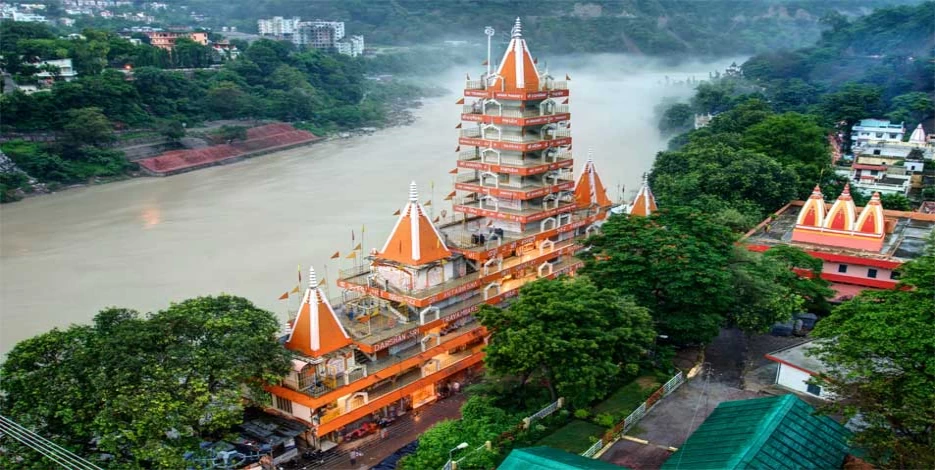
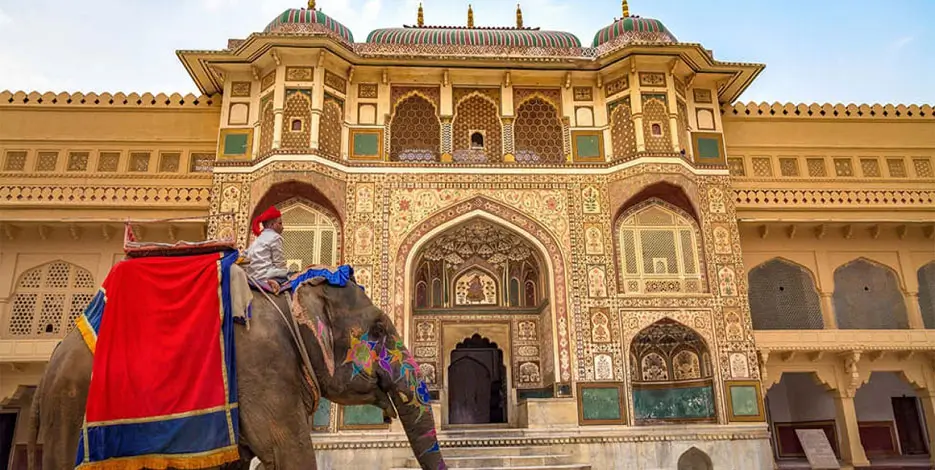
Delhi normally provides the international gateway and introduces travellers to Old Delhi, Mughal architecture and the capital’s major historical landmarks. Agra follows with the Taj Mahal and Agra Fort, while Jaipur brings Amber Fort, City Palace, Jantar Mantar and Rajasthan’s royal heritage into the programme. A wildlife extension then changes both the landscape and the daily routine.
Ranthambore is one of the most practical additions to the classic route because of its location in Rajasthan. Travellers with more time can consider parks such as Bandhavgarh, Kanha or Pench. Longer India wildlife tour packages can combine several reserves, although the itinerary needs to account for travel distances, safari schedules and park closure days.
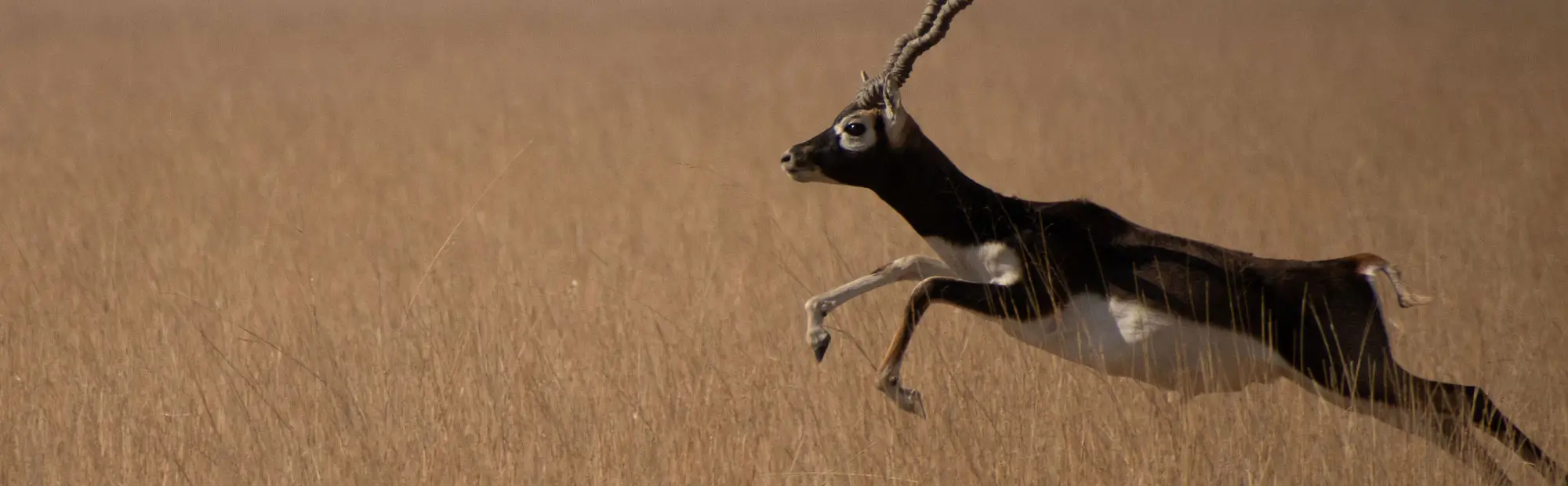
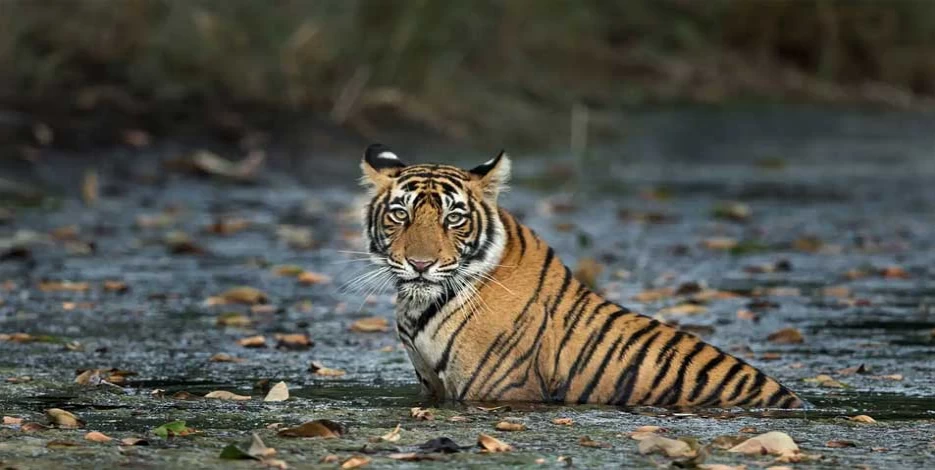
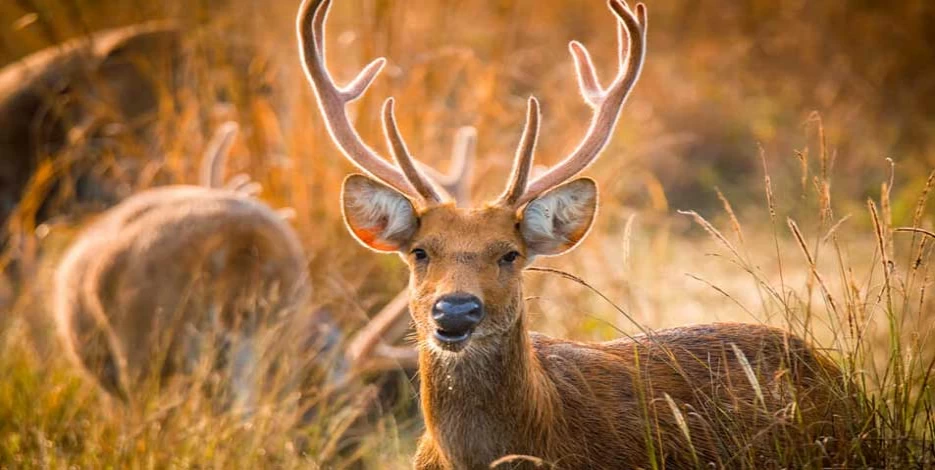
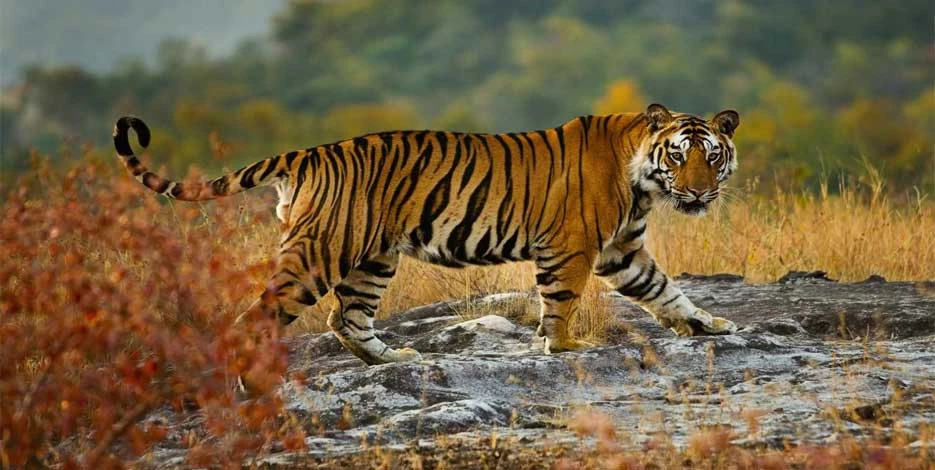
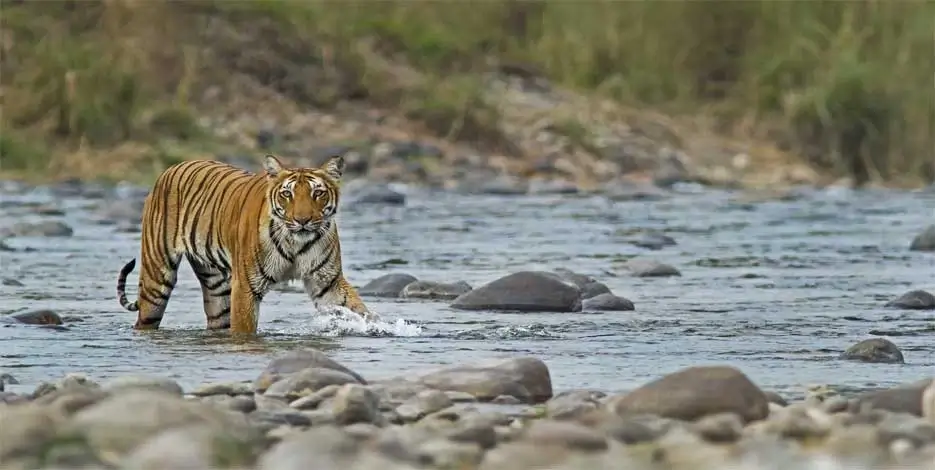
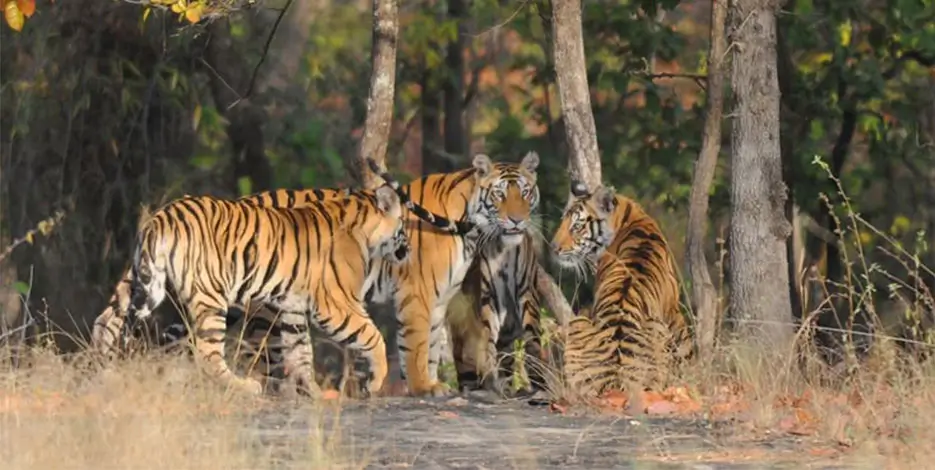
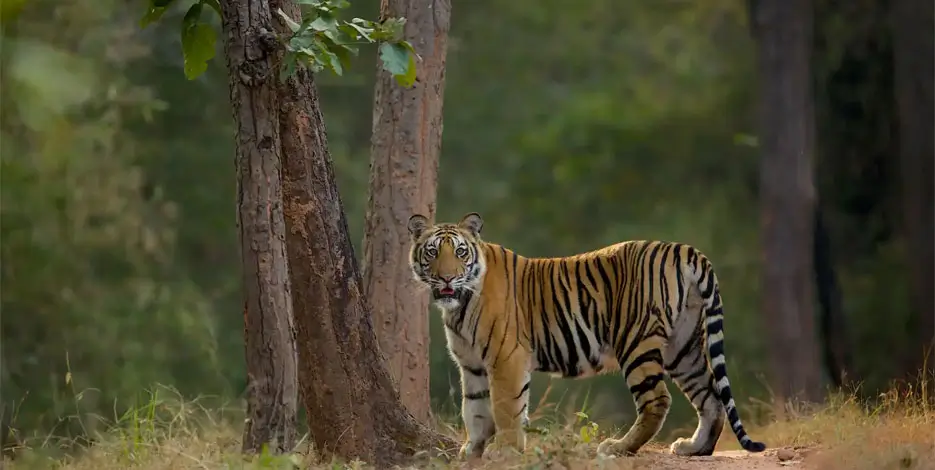
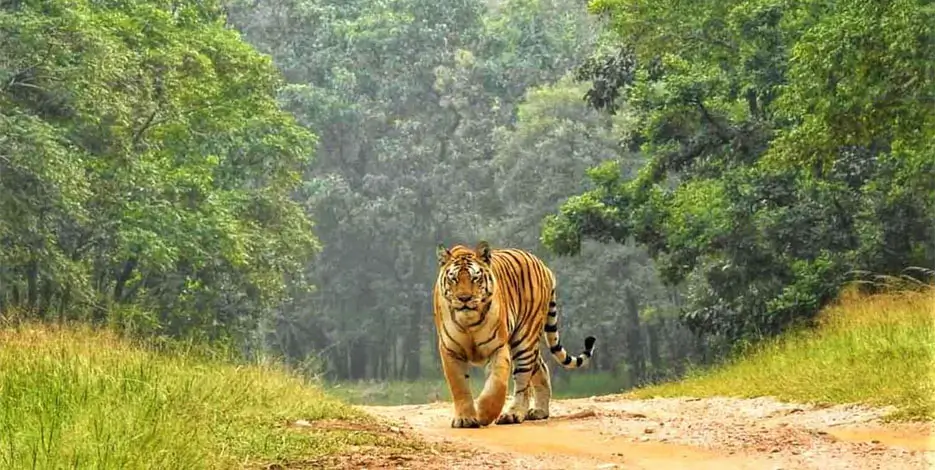
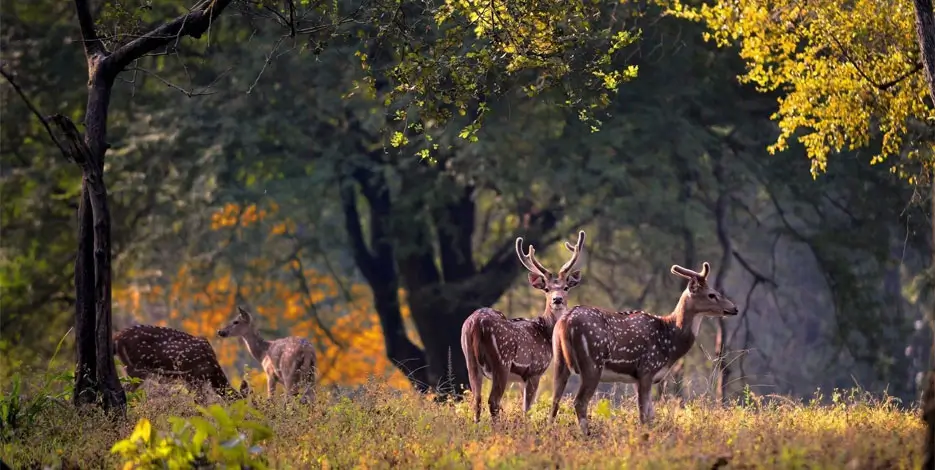
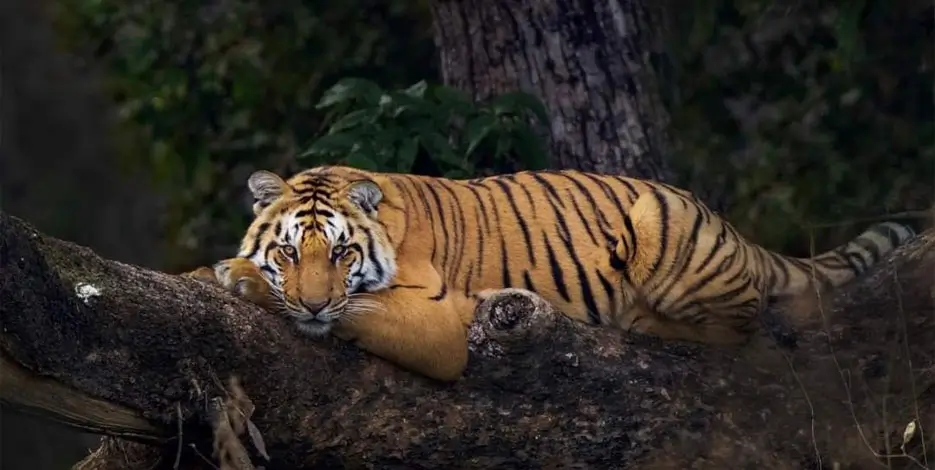
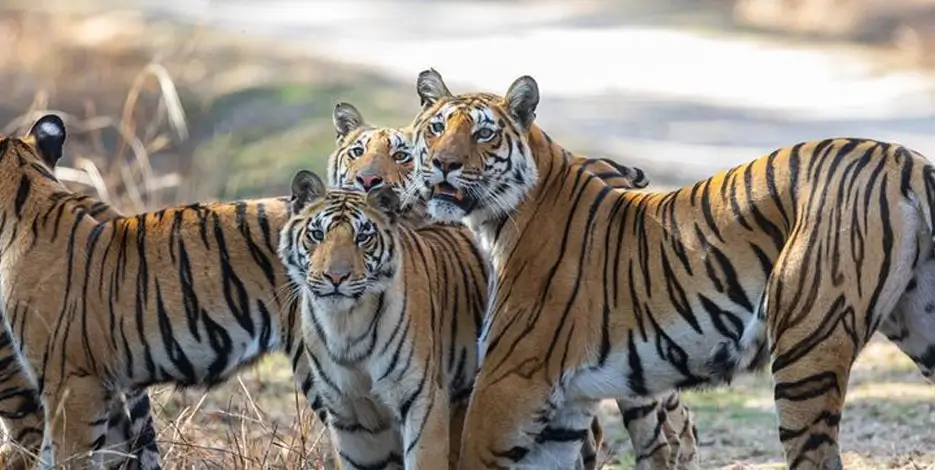
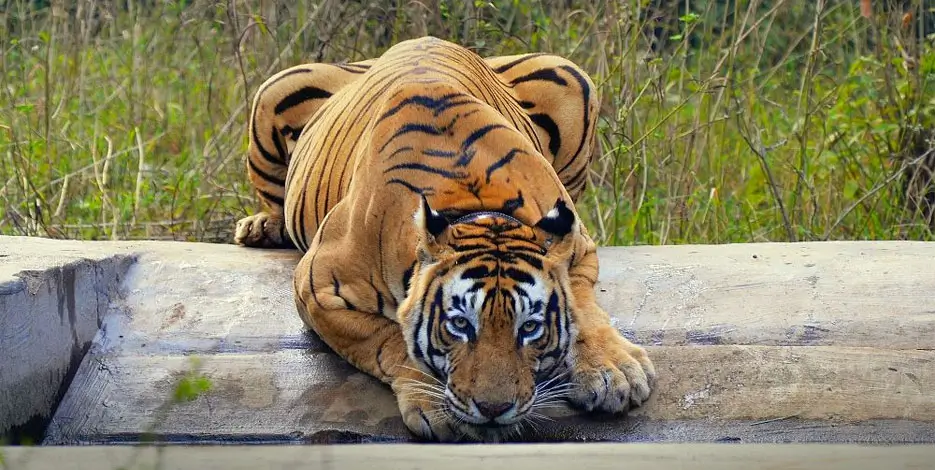
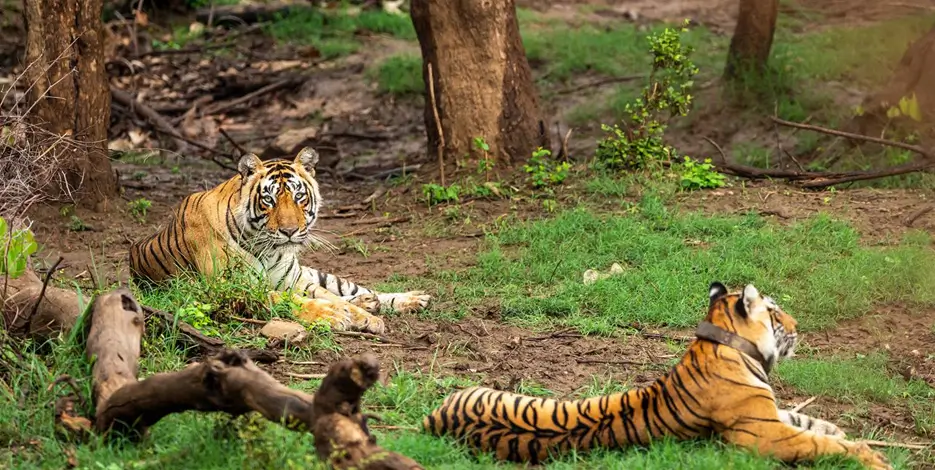
The Bengal tiger is naturally a major reason for choosing an India tiger safari tour, but wildlife travel should never be planned around a guaranteed sighting. Tigers move freely within protected habitats, and every safari is different. Deer, antelope, monkeys, crocodiles, birds and other species are also part of the forest environment.
For travellers who want history and wildlife in the same holiday, a Golden Triangle wildlife tour provides considerably more variety than a city-only itinerary.
How Many Days Do You Need for a Golden Triangle Wildlife Tour?
The duration depends on whether the itinerary includes Ranthambore alone or continues to additional national parks. A single safari destination can be incorporated into a relatively compact holiday, while multi-park wildlife programmes need considerably more time.
|
Duration
|
Suggested Route Style
|
Best For
|
Pace
|
|
7 Day Golden Triangle with Ranthambore
|
Delhi – Agra – Ranthambore – Jaipur
|
Travellers with limited time
|
Moderately fast
|
|
8 Day Golden Triangle Wildlife Tour
|
Delhi – Agra – Ranthambore – Jaipur
|
First-time safari visitors
|
Balanced
|
|
10 Day Golden Triangle Tiger Safari Tour
|
Golden Triangle + extended wildlife stay
|
Wildlife and cultural travellers
|
Comfortable
|
|
12 Day India Wildlife Tour
|
Golden Triangle + 1–2 wildlife regions
|
Photographers and nature travellers
|
Balanced
|
|
14 Day India Tiger Safari Tour
|
Golden Triangle + multiple safari locations
|
Dedicated wildlife travellers
|
Relaxed
|
|
15+ Day India Wildlife Tour
|
Cultural circuit + several national parks
|
Serious wildlife enthusiasts
|
Leisurely
|
Seven or eight days works well when Ranthambore is the only wildlife extension. Two or more safari drives can be incorporated while retaining sufficient time for Delhi, Agra and Jaipur.
A 10 Day Golden Triangle with Wildlife Tour provides greater flexibility. The traveller can spend additional nights near the park rather than arriving, taking one safari and leaving immediately. Multiple drives are important for visitors who place wildlife high on their list of priorities.
Twelve to fifteen days allows a different type of itinerary. Rather than simply extending the Ranthambore stay, another national park can be considered. This requires careful transport planning because central Indian reserves such as Bandhavgarh and Kanha are not positioned directly on the Golden Triangle road circuit.
Longer wildlife holidays should prioritise quality of time inside the parks over the number of reserves listed in the programme. Changing lodges every night or two reduces both safari opportunities and the enjoyment of the forest setting.
Best Time for a Golden Triangle and Wildlife Tour
The best time for a Golden Triangle wildlife tour depends partly on the national park selected. Many tiger reserves operate from approximately autumn to the beginning of the monsoon period, although exact opening dates, zones and weekly closure rules are controlled locally and can change.
Winter offers pleasant conditions for combining Delhi, Agra and Jaipur with wildlife. The hotter months can be demanding for city sightseeing, but they can also be of interest to serious wildlife visitors because changing water availability can influence animal movement.
|
Period
|
General Conditions
|
Wildlife Consideration
|
|
October
|
Warm, parks reopening around the season
|
Forests can remain relatively green
|
|
November
|
Pleasant
|
Comfortable safari weather
|
|
December
|
Cool mornings and evenings
|
Warm clothing useful on open safari vehicles
|
|
January
|
Cold early mornings
|
Strong winter touring period
|
|
February
|
Pleasant
|
Good balance of city and safari conditions
|
|
March
|
Becoming warmer
|
Comfortable mornings, hotter afternoons
|
|
April
|
Hot
|
Useful period for wildlife-focused travellers
|
|
May
|
Very hot
|
Heat can be intense during afternoon drives
|
|
June
|
Very hot, monsoon approaching
|
Park schedules need careful checking
|
|
July–September
|
Monsoon affects many core safari areas
|
Many parks or zones may be closed
|
Winter safari drives can feel much colder than visitors expect. Open vehicles, early departures and wind make warm layers important in December and January, even when daytime temperatures later become comfortable.
April and May require the opposite preparation. Temperatures can become very high, particularly on afternoon drives. Suitable clothing, sun protection, hydration and realistic expectations are important.
Safari availability should be checked before fixing the complete itinerary. A tiger safari tour in India is different from normal city sightseeing because permits are limited and cannot always be arranged at the last minute.
Our Golden Triangle Tour with Wildlife Packages
Our Golden Triangle wildlife tour packages can be planned around first-time safari visitors, photographers, birdwatchers, families and travellers whose primary reason for visiting India is wildlife.
Some itineraries add a single national park to Delhi, Agra and Jaipur. Others devote a much larger proportion of the holiday to forests and multiple safari destinations.
Golden Triangle Tour with Ranthambore
A Golden Triangle Tour with Ranthambore is the most straightforward way to add wildlife to Delhi, Agra and Jaipur.
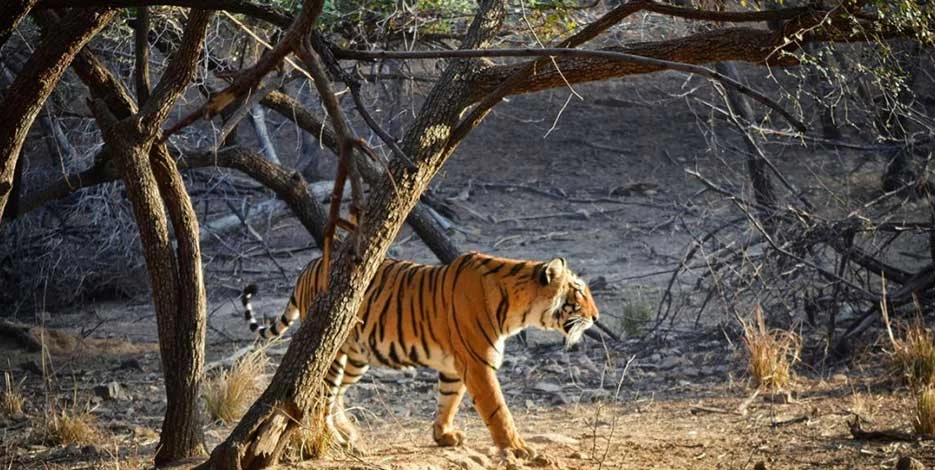
Ranthambore National Park is located in Rajasthan and fits naturally between parts of the traditional Golden Triangle circuit. The park is known for its tiger population, dry deciduous forest, lakes, rocky landscapes and the historic Ranthambore Fort overlooking the reserve.
Safari drives are normally arranged in designated park zones. The actual zone available depends on permit allocation and local park procedures. Different zones contain different landscapes and wildlife movement changes continuously.
Travellers should ideally allow more than one drive if seeing wildlife is important. A single safari gives only one opportunity within a large natural environment. Two, three or more drives provide additional time in the park and expose visitors to different conditions.
A Ranthambore tiger safari tour should still be approached realistically. No responsible tour operator, guide or naturalist can guarantee that a tiger will appear during a particular drive.
Golden Triangle with Bandhavgarh
Bandhavgarh is a strong option for travellers willing to extend the journey into central India. A Golden Triangle Tour with Bandhavgarh is more logistically involved than Ranthambore but can be rewarding for visitors whose priorities lean heavily towards wildlife.
The park contains forest, grassland and hilly terrain and has a long association with tiger tourism in India. Because Bandhavgarh lies outside the Delhi–Agra–Jaipur road circuit, transport needs to be arranged through appropriate flight, rail and road connections according to the complete programme.
A longer stay is preferable to treating Bandhavgarh as a quick add-on. The journey required to reach the reserve is better justified when several safari drives are planned.
Golden Triangle with Kanha National Park
A Golden Triangle Tour with Kanha combines the northern cultural circuit with one of central India’s major protected landscapes.
Kanha is known for extensive sal forests, meadows and varied wildlife. Alongside tigers, visitors may encounter deer species, gaur, langurs and numerous birds. The reserve is also associated with conservation efforts involving the hard-ground barasingha.
Kanha suits travellers who want a substantial wildlife component rather than a single safari experience. Its location means the itinerary should normally include enough nights to make the transfer worthwhile.
Combining Kanha with another central Indian reserve can work for longer India wildlife tours, but the road time between parks must be incorporated honestly into the programme.
Golden Triangle with Pench
Pench can be incorporated into longer wildlife routes, particularly when the itinerary already includes central India.
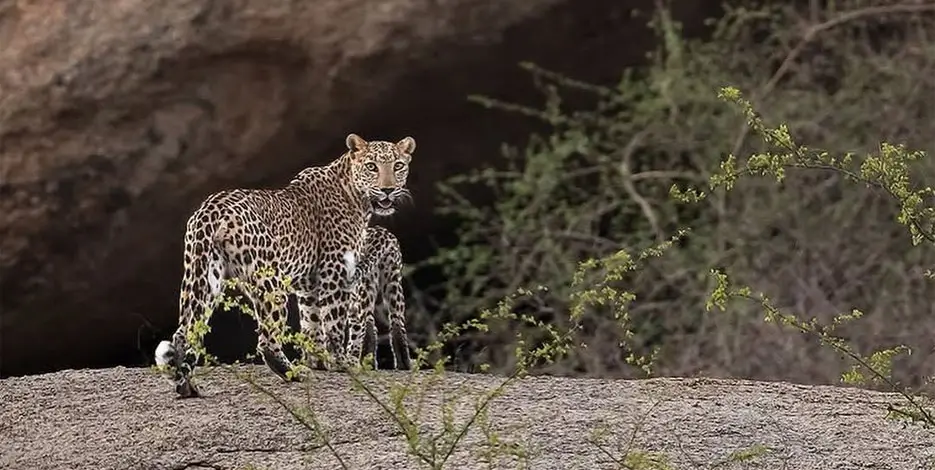
A Golden Triangle Tour with Pench National Park can provide forest drives in a landscape of teak forests and open areas. The park supports tigers as well as leopards, deer, wild dogs, gaur and numerous bird species.
Pench is particularly relevant for travellers considering a multi-park itinerary rather than simply adding one wildlife stop after Jaipur.
Multi-Park Tiger Safari Tours
Dedicated wildlife travellers often want more than one reserve. A multi-park tiger safari tour India can combine the Golden Triangle with two or more national parks, creating repeated opportunities to observe wildlife in different habitats.
This type of programme should not become a race between tiger reserves. Each park requires transfers, lodge check-ins and fixed safari timings. Spending several nights at selected reserves usually produces a better wildlife holiday than visiting a long list of parks briefly.
Different reserves also provide different landscapes. The objective of a well-designed India tiger tour is not simply to repeat the same safari in several locations, but to understand how habitats and wildlife vary across regions.
Tiger Safaris and Realistic Wildlife Expectations
Tiger sightings are a major motivation behind many India tiger safari tours, but wildlife is unpredictable by definition.
A national park is not a zoo and animals are not positioned for visitors. Tigers can move through dense vegetation, remain inactive for long periods or use parts of the park that are inaccessible to a particular safari vehicle.
Naturalists and drivers look for clues such as alarm calls, tracks and recent movement. Their knowledge improves the quality of the safari but does not create certainty.
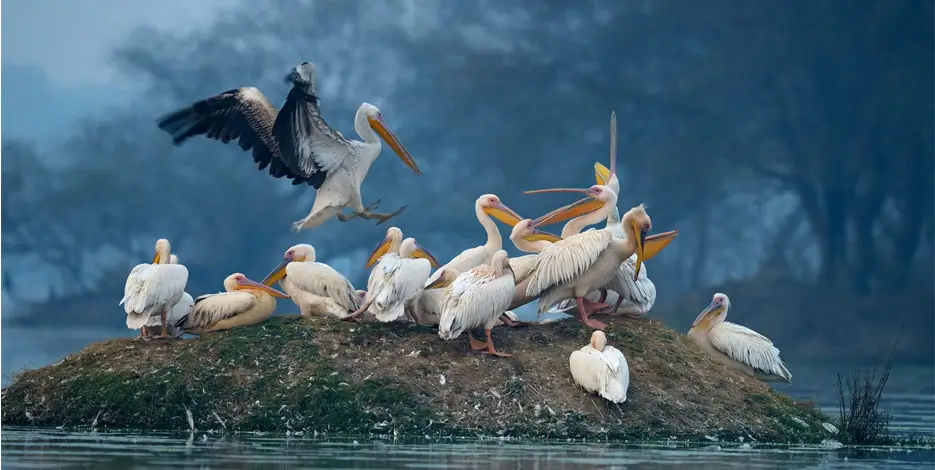
This unpredictability is part of genuine wildlife travel. A drive without a tiger sighting can still include spotted deer, sambar, langurs, wild boar, crocodiles, raptors and other birdlife, depending on the reserve.
Travellers who consider seeing a tiger their highest priority should book several safari drives rather than relying on one outing. More time inside the reserve increases opportunities, although it still does not create a guarantee.
Photography enthusiasts should also plan differently from casual safari visitors. A wildlife photography tour India benefits from multiple drives, appropriate equipment, enough luggage allowance for camera gear and an itinerary that does not require changing hotels immediately after every safari.
Safari Permits and Why Advance Planning Matters
National park safaris operate under controlled permit systems. The exact process varies by reserve, but visitor numbers and vehicle access are generally limited.
This makes safari planning one of the most important parts of a Golden Triangle Tour with tiger safari. Hotels may remain available even when desirable safari permits are already difficult to obtain.
Travellers should therefore avoid booking international flights, fixing a rigid itinerary and only then considering safari availability. Where wildlife is a priority, the national park dates should form part of the early planning process.
Permit details can require traveller information, and changes after booking may be restricted. Passport details and other required information should be supplied accurately according to the applicable booking procedure.
Safari zones can also matter, but travellers should be cautious about assuming that one particular zone will guarantee better wildlife. Tigers and other animals move across their habitats, and recent sightings do not ensure the same activity on the following day.
Wildlife Lodges and Accommodation Near National Parks
Accommodation affects a wildlife holiday differently from a normal city tour. Safari schedules often involve very early mornings, so location, meal arrangements and staff familiarity with park timings can be more useful than choosing a hotel solely by conventional star rating.
A good wildlife lodge in India should work efficiently around safari departures and returns. Breakfast may need to be packed or served at unusual hours, while lunch and rest periods often fit between morning and afternoon drives.
Luxury wildlife lodges can add larger rooms, private settings, naturalist services and a higher level of personalised hospitality. Comfortable mid-range properties can also work well when the traveller’s main priority is spending time inside the park.
For longer stays, the atmosphere outside safari hours becomes more important. Travellers may appreciate gardens, quiet common areas, nature walks where permitted or opportunities to speak with knowledgeable naturalists.
A luxury India wildlife tour should therefore consider lodge quality as part of the safari programme rather than treating accommodation as a separate overnight requirement.
Private Golden Triangle Wildlife Tour with Car and Driver
A private Golden Triangle wildlife tour gives travellers greater control over the cultural sections of the itinerary while coordinating road transfers with fixed safari timings.
Delhi, Agra, Jaipur and Ranthambore can be connected efficiently by private vehicle depending on the selected route. An experienced driver handles intercity transport, luggage and hotel transfers, while local guides can be arranged for historical sightseeing.
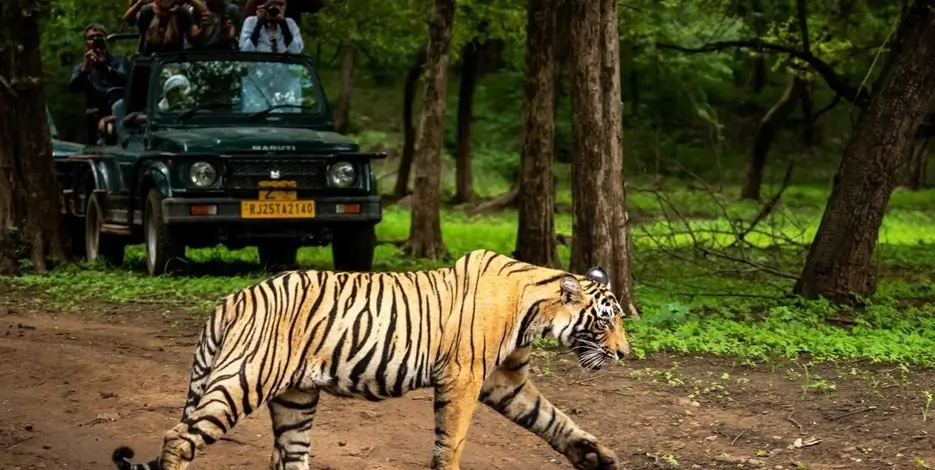
The safari itself is governed by park rules and uses authorised safari vehicles and personnel according to local procedures. The private touring vehicle used between cities does not normally enter the national park as a substitute for an authorised safari vehicle.
For families, couples and senior travellers, private road transport is particularly useful because rest stops and departure times can be managed around the travelling party.
When central Indian parks are added, domestic flights, trains or additional road transfers may be required. A custom wildlife tour India should use the most sensible transport combination rather than forcing the entire route to be completed by car.
Wildlife Tours for Photographers, Families and Birdwatchers
Wildlife travellers do not all need the same itinerary.
A tiger photography tour India should prioritise repeated safari opportunities and sufficient time at each reserve. Photographers may also need appropriate vehicle arrangements where available and enough transfer time to handle equipment safely.
Families can combine wildlife with the Golden Triangle particularly effectively because the forest breaks up consecutive days of monuments and historical sightseeing. The age of children needs to be considered against applicable park regulations and the practical demands of early morning safaris.
Birdwatchers may prefer a broader approach than a tiger-centred programme. India’s reserves support substantial birdlife, and additional wetlands or birding destinations can sometimes be incorporated according to the season.
Senior travellers can also take a Golden Triangle safari tour, but the daily programme should account for early starts, uneven safari tracks and the physical demands of entering and leaving open vehicles. Suitable accommodation and rest periods become important.
Planning the Right Golden Triangle and Wildlife Itinerary
The first question is how important wildlife is compared with cultural sightseeing.
If the traveller primarily wants Delhi, Agra and Jaipur with a taste of safari travel, Ranthambore is the logical addition. It keeps the itinerary relatively compact and introduces a national park without requiring a major diversion into central India.
If wildlife is equally important to the historical route, additional nights at Ranthambore or another reserve should be considered. Several safari drives are more useful than adding another city simply to increase the destination count.
For serious wildlife enthusiasts, a Golden Triangle and tiger safari tour can use Delhi, Agra and Jaipur as the cultural opening before continuing to Bandhavgarh, Kanha, Pench or a combination of selected reserves.
Season, permit availability and park closure schedules need to be checked before the final route is confirmed. The itinerary should then be built around realistic transfers and safari times.
The strongest wildlife programmes do not promise sightings or overload the traveller with parks. They provide enough time in suitable habitats, use practical transport connections and balance early safari mornings with adequate rest.
A custom Golden Triangle wildlife tour can consequently be planned according to the number of safari drives required, preferred parks, hotel or lodge standard, photography interests, family requirements and the amount of cultural sightseeing the traveller wants alongside wildlife.