Small Group Tours India bring a limited number of travellers together on a professionally organised itinerary. Transport, accommodation and principal sightseeing are arranged in advance, while the smaller group size makes daily movement easier than it is on a conventional large-coach programme.
The Golden Triangle is particularly suitable for this travel style. Delhi, Agra and Jaipur provide three distinctly different destinations within a manageable route. Delhi introduces the historical layers of the capital, Agra brings the Taj Mahal and Mughal architecture into the programme, and Jaipur adds Rajasthan’s forts, palaces, markets and craft traditions.
A good small group India tour should not attempt to control every hour of the traveller's day. Guided sightseeing provides structure, but selected free periods allow participants to visit a restaurant, spend longer shopping, use hotel facilities or simply take time away from the group.
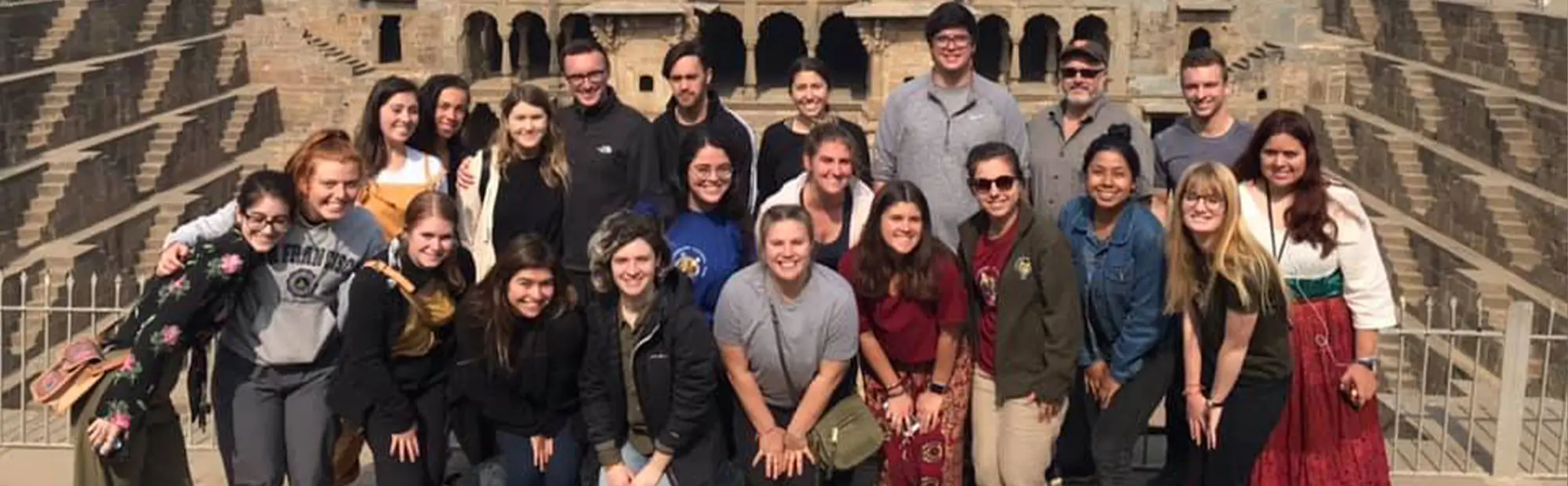
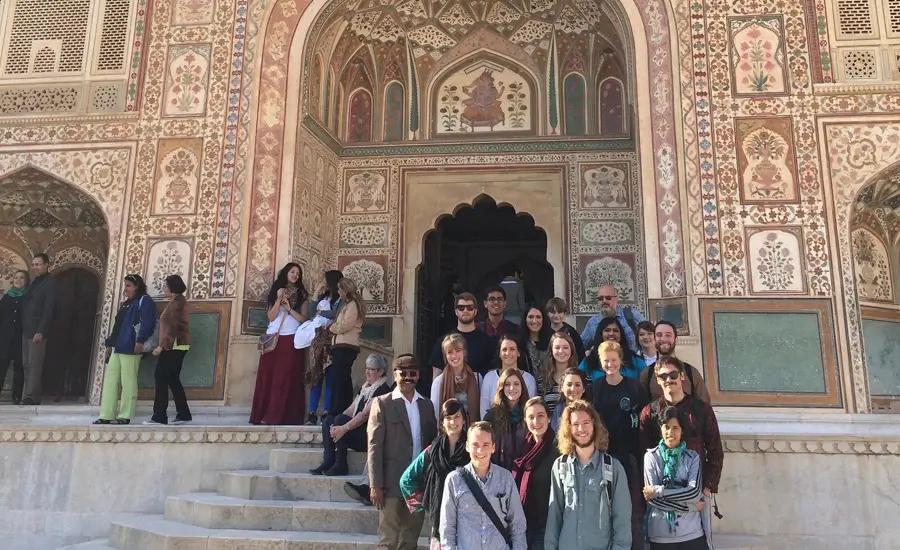
Group size matters. Smaller groups can board vehicles more quickly, check into hotels with less delay and move through monuments more efficiently. Guides can communicate with participants more easily, and travellers have a better opportunity to get to know the people sharing the trip.
These tours can suit solo travellers particularly well, but they are not restricted to people travelling alone. Couples, friends and family members may also prefer an India small group tour package when they want an organised holiday with a social element.
How Many Days Are Best for a Small Group India Tour?
Five to seven days is sufficient for a Golden Triangle programme, while Rajasthan and other extensions require more time. Longer itineraries should use the additional days to create a comfortable pace rather than simply adding cities.
|
Duration
|
Suggested Route
|
Best Suited For
|
Pace
|
|
5 Day Small Group Golden Triangle Tour
|
Delhi – Agra – Jaipur
|
Short first-time visits
|
Moderately fast
|
|
6 Day Small Group India Tour
|
Delhi – Agra – Jaipur
|
First-time international travellers
|
Balanced
|
|
7 Day Small Group Golden Triangle Tour
|
Delhi – Agra – Jaipur
|
Solo travellers and couples
|
Comfortable
|
|
8–10 Day Small Group Rajasthan Tour
|
Golden Triangle + Udaipur/Jodhpur/Ranthambore
|
Cultural travellers
|
Balanced
|
|
12 Day Small Group India Tour
|
Golden Triangle + wider Rajasthan
|
Longer holidays
|
Comfortable
|
|
14–15 Day Small Group India Tour
|
Golden Triangle + Rajasthan/Varanasi/wildlife
|
Travellers wanting greater depth
|
Leisurely
|
A five-day route can cover the principal landmarks of Delhi, Agra and Jaipur, but there will be relatively little unstructured time. It works best for travellers adding the Golden Triangle to another holiday.
Six or seven days gives the group a more reasonable rhythm. A 7 Day Small Group Golden Triangle Tour can provide enough time for guided sightseeing while avoiding an itinerary where every morning begins with a hotel checkout.
Ten days makes an extension worthwhile. Ranthambore can add wildlife, while Udaipur or Jodhpur can take the group deeper into Rajasthan.
Twelve to fifteen days works well for travellers making India their principal long-haul holiday. At this length, the programme can combine important monuments with smaller cultural activities and proper two-night stays.
What Is the Ideal Group Size for an India Tour?
The words “small group” are used differently across the travel industry. Travellers should therefore check the actual maximum number of participants rather than relying only on the label.
For many small group tours of India, a group of approximately 8–16 travellers provides a useful balance between social interaction and manageable logistics. A smaller departure can feel more personal, while numbers approaching those of a full coach naturally change the character of the trip.
The appropriate vehicle should also be larger than the minimum seating capacity. Filling every available seat may technically transport the group, but it reduces comfort on longer drives and leaves less space for luggage.
A group of twelve travellers, for example, should have a vehicle selected around practical comfort rather than simply counting twelve passenger seats.
Smaller numbers also make guided visits easier. At crowded monuments such as the Taj Mahal or Amber Fort, keeping a compact group together is considerably simpler than managing dozens of people.
The best small group tours India should clearly communicate expected group size, transport style and whether the departure requires a minimum number of participants.
Small Group Golden Triangle Tours
A Small Group Golden Triangle Tour is one of the most practical ways for first-time visitors to see Delhi, Agra and Jaipur.
Delhi usually forms the starting point. Depending on the number of days available, the programme can cover both Old and New Delhi rather than presenting the capital as a single historical period.
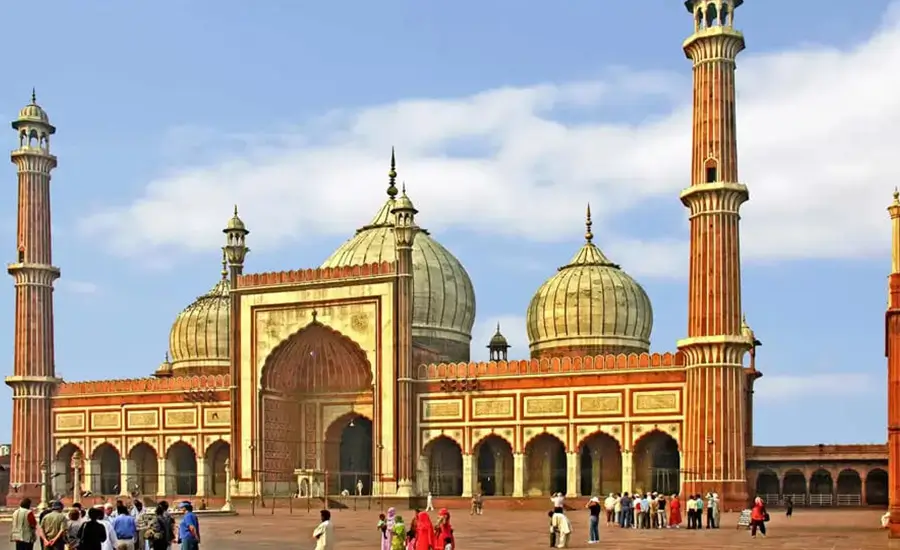
Old Delhi can include Jama Masjid and the historic commercial quarters around Chandni Chowk. Other parts of the city contain Humayun's Tomb, Qutub Minar and major landmarks associated with later periods.
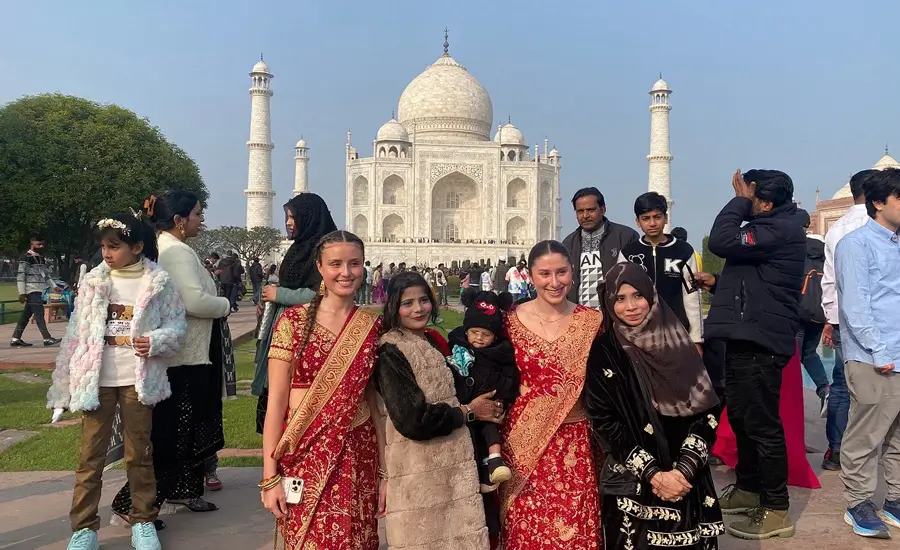
The group then travels to Agra. The Taj Mahal naturally receives priority, but Agra Fort should also be included where time permits. Guided interpretation is particularly useful here because the relationship between Mughal rulers, Agra Fort and the Taj Mahal adds considerably more context than a monument-only visit.
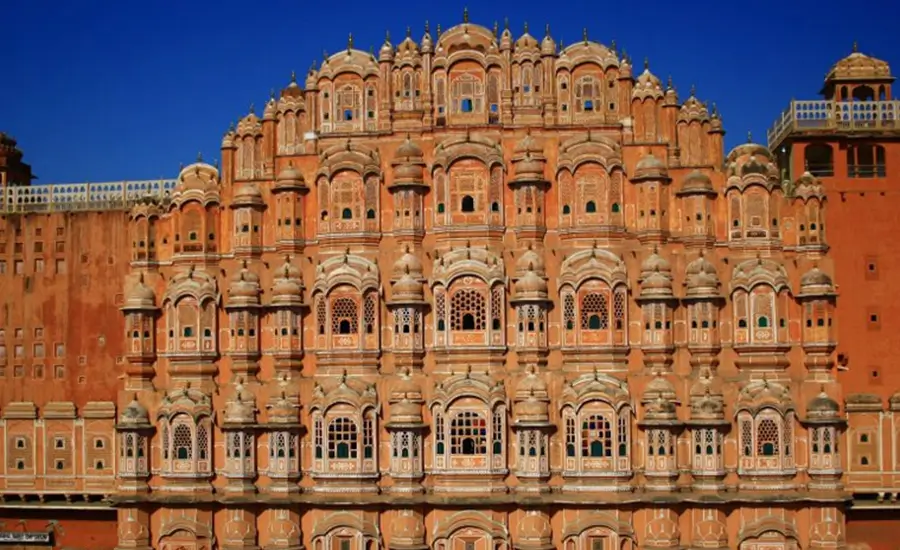
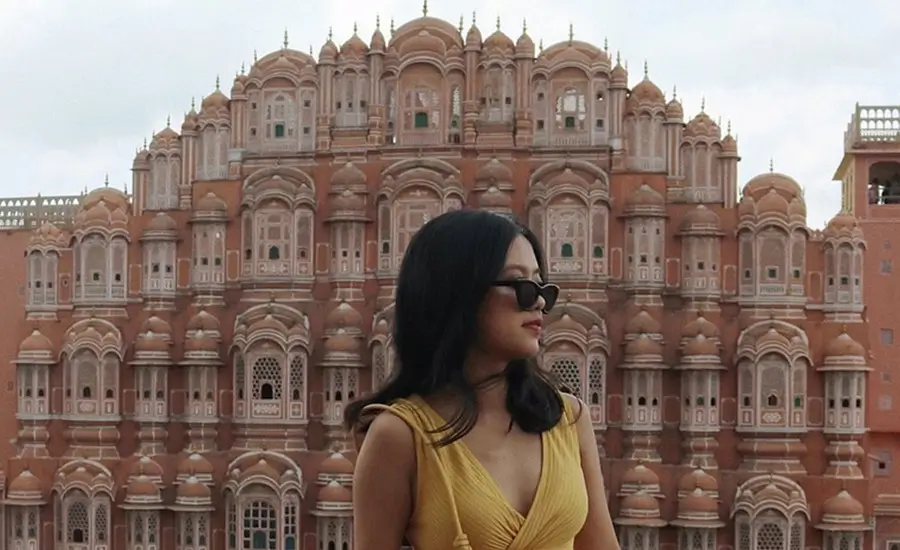
Jaipur completes the core circuit. Amber Fort, City Palace and Jantar Mantar form the principal historical programme. Time can also be reserved for the old city, crafts and markets according to the itinerary.
An escorted Golden Triangle Tour India provides the convenience of organised sightseeing without requiring travellers to arrange a new guide and transfer in every destination.
Small Group Tours for Solo Travellers
A small group India tour for solo travellers can solve one of the main questions faced by people travelling alone: how to retain independence while having company for longer journeys and sightseeing.
Solo participants share the overall tour programme but can still have personal time. Meals do not all need to be compulsory group occasions, and free evenings can remain available where the itinerary allows.
The social element develops naturally because the same travellers move through several destinations together. Long road journeys and guided sightseeing provide opportunities for conversation without requiring formal social activities every day.
Room arrangements should be made clear before booking. Solo travellers may prefer a private room rather than sharing with another participant they have not met.
A solo travel group India tour is particularly suitable for people who want to visit India but do not want the logistics of arranging every transfer, guide and hotel independently.
Small Group Tours for Couples
Couples can also choose small group tours India rather than a fully private itinerary.
This option suits travellers who enjoy meeting other people and do not need complete control over every daily departure time. The group structure handles the principal transport and sightseeing, while couples can use selected free periods independently.
Room requirements should be communicated correctly when booking. Couples requesting a double room and friends requiring twin beds should have those preferences recorded from the beginning.
For couples wanting substantial hotel time, private dining or a highly personalised programme, a private tour may be more appropriate. Small-group travel works best when participants are comfortable following an agreed schedule for the main sightseeing.
Small Group Rajasthan Tours
A Small Group Rajasthan Tour can continue from Jaipur towards Jodhpur, Udaipur, Pushkar, Jaisalmer or other parts of the state.
Rajasthan works particularly well for groups because its major destinations combine historic sites with markets, crafts, local food and heritage accommodation.
Jodhpur adds Mehrangarh Fort and the historic city below it. Udaipur provides Lake Pichola, City Palace and a slower setting that can give the group a break from consecutive road days.
Jaisalmer adds the Thar Desert and sandstone architecture but requires more travel time. It should therefore be incorporated into itineraries with enough days rather than forced into a short Rajasthan circuit.
A small group Rajasthan tour package should pay close attention to driving distances. Rajasthan is geographically large, and routes that appear simple on a map can involve substantial time on the road.
Two-night stays in major cities are preferable whenever the overall duration permits.
Small Group Golden Triangle with Ranthambore
Wildlife can add a substantial change of pace to a cultural group itinerary.
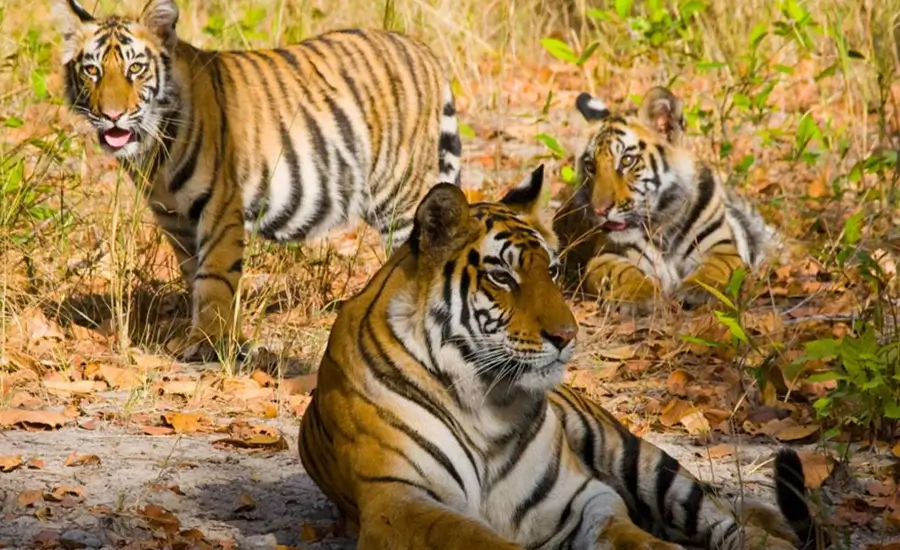
A Small Group Golden Triangle Tour with Ranthambore combines Delhi, Agra and Jaipur with safari drives in Ranthambore National Park. The reserve fits conveniently into a Rajasthan-oriented route and is one of the most practical wildlife additions to the Golden Triangle.
Safari permits are controlled and should be planned in advance. Group members may need to travel in separate authorised safari vehicles depending on the applicable park arrangements.
A tiger sighting can never be guaranteed. The park contains a broader ecosystem, and every drive produces different wildlife activity.
Travellers should also prepare for the physical conditions. Winter morning safaris can be cold in open vehicles, while the hotter months require suitable sun protection and hydration.
A small group tiger safari India tour works best when enough time is reserved for more than a rushed single safari.
Small Group Tours with Varanasi
Varanasi can be added for travellers who want a stronger religious and cultural dimension.
A Small Group Golden Triangle Tour with Varanasi usually requires a flight or suitable train connection because Varanasi lies well east of the main Delhi–Agra–Jaipur road circuit.
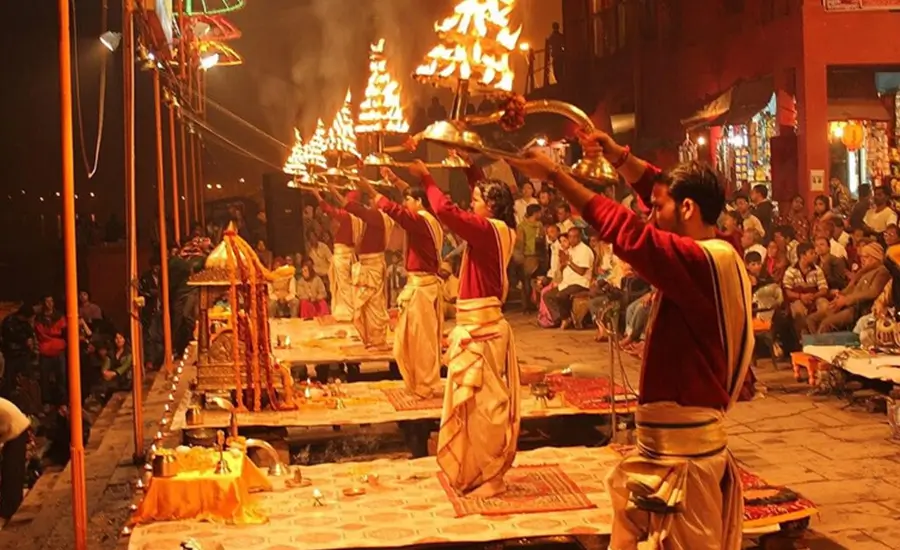
The city provides a completely different setting from Rajasthan. The Ganges, ghats, old lanes, temples and religious practices require a slower and more observant style of sightseeing.
An early morning boat journey can form part of the programme according to local conditions, while the riverfront in the evening provides another perspective on the city.
Groups should remain compact in the old city because narrow lanes and busy public areas make large coach-style touring impractical.
Around nine to twelve days provides a more sensible framework for combining Varanasi with a Golden Triangle small group tour.
Small Group Cultural Tours in India
India's historical monuments are important, but a small group cultural tour India should not consist solely of moving from one ticketed attraction to another.
Markets, neighbourhoods, food, crafts and everyday public spaces can provide valuable context between the major monuments.
Jaipur is particularly useful for craft-related interests. Textiles, block printing, jewellery and traditional artisan work can be incorporated when relevant to the group.
Delhi provides a very different urban environment, ranging from historic markets to contemporary neighbourhoods.
Food activities can also be added, but they should be selected according to the group's dietary requirements and comfort levels. Travellers should communicate allergies and significant restrictions in advance.
The advantage of a smaller group is that these activities can remain manageable. A compact group can enter places that would be impractical for a full coach of travellers.
Escorted India Tours with Professional Guides
An escorted India small group tour benefits from clear coordination.
Depending on the itinerary format, a tour escort may accompany the group across several destinations, while local guides provide specialist interpretation in individual cities. The exact arrangement should be made clear within the programme.
Local guides are particularly valuable in Delhi, Agra and Jaipur because each city contains sites from different historical periods.
A knowledgeable guide should do more than repeat dates. Historical relationships, architectural decisions, religious context and local customs help travellers understand what they are seeing.
At the same time, guiding should not become continuous lecturing. Travellers need time for photographs, questions and independent observation.
Smaller groups make this balance easier because participants can interact directly with the guide rather than relying on one-way commentary intended for a large crowd.
Hotels for Small Group Tours in India
Hotels for small group holidays India should be chosen for consistent service, suitable location and the ability to handle the required room inventory.
A boutique hotel may be ideal for a very small departure but unable to accommodate a larger group during busy dates. Larger properties may provide easier room availability but a less intimate atmosphere.
Heritage hotels in Rajasthan can add character to the itinerary. Historic buildings, however, can have stairs, uneven layouts or rooms of different sizes. These details should be considered when the group includes senior travellers.
Location is also important. Saving a small amount of room cost by staying far outside the sightseeing area can create unnecessary daily driving.
For an escorted tour, reliable breakfast timings, luggage handling and efficient check-in procedures are particularly useful because the whole group often departs together.
Transport for Small Group Tours
Vehicle selection has a major influence on India small group travel.
The vehicle should match the number of participants, luggage and expected road distances. A comfortable vehicle with spare capacity is generally preferable to filling every seat.
Air conditioning is important across much of India, particularly during warmer periods. Luggage storage should also be considered before the group arrives with full-size international suitcases.
Delhi, Agra, Jaipur and much of Rajasthan can be connected by road. Domestic flights or trains should be used where they make the overall itinerary more efficient.
The transport schedule should also include realistic rest stops. A road journey is not improved simply by reducing the estimated transfer time on paper.
Professional drivers are responsible for road transportation, while guides or escorts handle the touring and destination information.
Small Group Tours for Senior Travellers
A small group India tour for seniors can work very well when the itinerary has been designed around realistic walking and travel requirements.
India's forts and historic areas can include steps, slopes and uneven surfaces. Participants should receive practical information before travel rather than learning about physical requirements after arrival.
Two-night stays reduce packing and unpacking, while suitable departure times prevent the itinerary from becoming unnecessarily tiring.
Vehicle access also matters. Senior travellers may find a lower step-in vehicle easier than a transport option chosen solely for maximum seating capacity.
A smaller group has an additional advantage: the entire tour does not need to wait for dozens of people at every stop. Movement between hotels, restaurants and attractions is generally easier.
Small Group Tours for First-Time Visitors to India
A first time India small group tour can remove many of the logistical decisions that new visitors otherwise need to make immediately after arrival.
Airport transfers, hotels, intercity transportation and principal sightseeing are organised before the trip. Travellers therefore arrive knowing how they will move between destinations.
The Golden Triangle is particularly suitable because it provides a broad introduction without requiring several domestic flights.
First-time visitors should still have access to clear pre-departure information covering weather, clothing, luggage, local currency, tipping practices and any important monument requirements.
The purpose of an organised tour should be to simplify practical arrangements, not to isolate visitors from the destination.
Free time, local restaurants and independent interests can remain part of the programme.
Private Tour vs Small Group Tour in India
Choosing between a private India tour and a small group India tour depends largely on the traveller's preferred level of flexibility.
|
Travel Factor
|
Small Group Tour
|
Private Tour
|
|
Daily Schedule
|
Shared with group
|
Built around travelling party
|
|
Social Interaction
|
High
|
Low unless arranged
|
|
Guide Attention
|
Shared
|
Individual/private
|
|
Departure Times
|
Fixed for group
|
More flexible
|
|
Free Time
|
Included according to itinerary
|
Can be customised extensively
|
|
Route Changes
|
Limited after departure
|
Greater flexibility
|
|
Best For
|
Solo travellers, social travellers, couples
|
Families, private groups, highly personalised travel
|
Small-group travel is a strong choice for someone who enjoys meeting other travellers and appreciates having the main arrangements fixed in advance.
Private travel is more suitable when the traveller wants control over hotel selection, daily pace, meal times and sightseeing.
Neither format is automatically better. The right choice depends on how the traveller wants to spend the holiday.
Best Time for Small Group Tours in India
October through March is a popular period for small group tours North India because conditions are generally comfortable for Delhi, Agra, Jaipur and Rajasthan.
|
Month
|
General Conditions
|
Group Travel Consideration
|
|
October
|
Warm to pleasant
|
Strong beginning to main touring period
|
|
November
|
Pleasant
|
Comfortable for walking and sightseeing
|
|
December
|
Cooler mornings and evenings
|
Popular travel period
|
|
January
|
Cool with possible fog
|
Flexible transport planning useful
|
|
February
|
Pleasant
|
Very suitable for Golden Triangle touring
|
|
March
|
Warm
|
Good conditions with earlier outdoor visits
|
|
April
|
Hot
|
Midday rest becomes useful
|
|
May
|
Very hot
|
Slower sightseeing recommended
|
|
June
|
Very hot
|
Indoor breaks and air-conditioned transport important
|
|
July
|
Monsoon conditions begin
|
Greater flexibility required
|
|
August
|
Humid with rain
|
Suitable for selected routes
|
|
September
|
Warm
|
Conditions improve towards autumn
|
Festival dates and holiday periods can affect hotel availability. Groups need multiple rooms at the same property, so accommodation can become difficult earlier than it does for an individual traveller.
This makes advance planning particularly useful for popular travel months.
How to Choose the Right Small Group India Tour
Start with the maximum group size. A tour marketed as “small group” should provide a clear indication of how many travellers may participate.
Next, look at the route. A small group Golden Triangle package should give Delhi, Agra and Jaipur enough time rather than using the three cities as quick stops on an oversized itinerary.
Check the number of one-night stays. Continuous hotel changes can become tiring, particularly on Rajasthan routes.
The transport standard should be appropriate for both passengers and luggage. Hotel locations should also make sense for the sightseeing programme.
Travellers should then check how much is organised and how much time remains independent. Some people want a fully escorted schedule; others prefer organised mornings and free evenings.
Solo travellers should pay particular attention to room arrangements, while couples should check double-room requirements.
Our small group India tour packages can be structured around the Golden Triangle and selected extensions while retaining sensible group numbers, organised transport, professional guiding and sufficient personal time.
The purpose is to provide the advantages of travelling together without turning the holiday into a large-scale coach operation.