For many international travelers, Old Delhi becomes one of the most memorable parts of a trip to India. It is vibrant, historic, chaotic, fascinating, colorful, noisy, and deeply authentic. Yet it is also one of the places where first time visitors often feel the most overwhelmed.
Many tourists arrive expecting a traditional sightseeing district filled with monuments and museums. Instead, they encounter crowded markets, narrow lanes, cycle rickshaws, food vendors, street merchants, religious landmarks, delivery carts, motorcycles, and thousands of people moving through spaces that appear impossibly busy.
The first reaction for some travelers is excitement. For others, it can be sensory overload.
The good news is that Old Delhi becomes much easier to enjoy once you understand how it works. Unlike modern cities designed around wide roads and organized commercial zones, Old Delhi evolved organically over centuries. What appears chaotic at first often reveals its own logic once visitors slow down and begin observing.
The key to enjoying Old Delhi is not trying to see everything. It is understanding how to approach the district in a way that allows you to appreciate its history, food, architecture, markets, and culture without becoming exhausted.
Many experienced travelers actually consider Old Delhi one of the highlights of India because it offers something increasingly rare in the modern world: authenticity. The district remains a living, working part of the city rather than a carefully curated tourist zone. Shops continue serving local communities, religious sites remain active, traditional businesses operate beside modern enterprises, and everyday life unfolds in full view of visitors.
For first time travelers, however, preparation is essential. Knowing where to start, how to move around, what to prioritize, and what mistakes to avoid can transform the experience completely.
Whether you have two hours, half a day, or an entire day available, understanding how to explore Old Delhi strategically will help ensure that your visit becomes exciting rather than overwhelming.
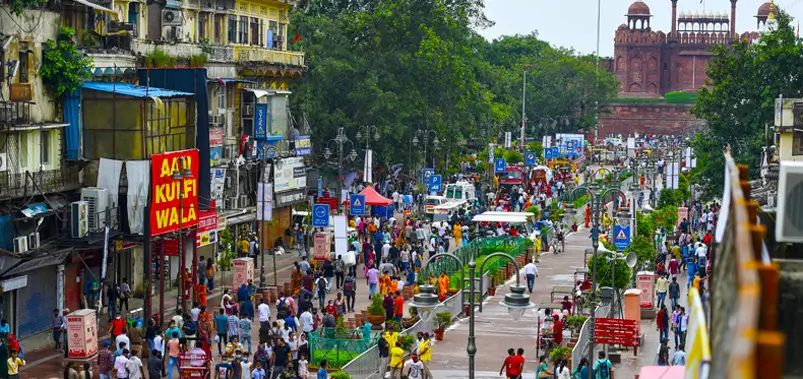
One of the reasons Old Delhi can feel intense is that it challenges many assumptions travelers bring with them. Visitors from Europe, North America, Australia, and other parts of the world are often accustomed to cities where traffic, pedestrians, shopping areas, and tourist attractions are separated into clearly defined zones.
Old Delhi functions differently.
Here, everything exists simultaneously. A centuries old mosque may stand beside a busy market. A food vendor may operate next to a jewelry shop. A delivery cart may share space with pedestrians, rickshaws, and motorcycles. What initially appears disorganized is actually the result of generations of urban evolution.
The sensory environment also contributes to the feeling of intensity. Sounds come from every direction. Vendors advertise products. Conversations occur in multiple languages. Religious calls may be heard from nearby mosques. Street food is prepared in open kitchens, filling the air with aromas that change from one lane to the next.
Many travelers attempt to process everything at once, which can quickly become exhausting.
Another factor is the density of activity. In modern shopping districts, visitors often have space to move comfortably. In Old Delhi, particularly around Chandni Chowk, movement can require patience. Streets are busy because they continue serving as active commercial centers rather than simply tourist attractions.
The good news is that this feeling usually fades within thirty to sixty minutes. Once visitors stop trying to absorb every detail simultaneously and begin focusing on specific experiences, the district becomes much more manageable.
Understanding that Old Delhi is supposed to feel lively helps many travelers adjust their expectations. The goal is not to control the environment but to engage with it gradually. Those who approach the district with curiosity rather than urgency often have the most rewarding experiences.
Another important realization is that you do not need to see everything. Even local residents have not explored every lane, market, and hidden corner. Accepting this fact removes pressure and allows visitors to enjoy what they encounter rather than worrying about what they might miss.
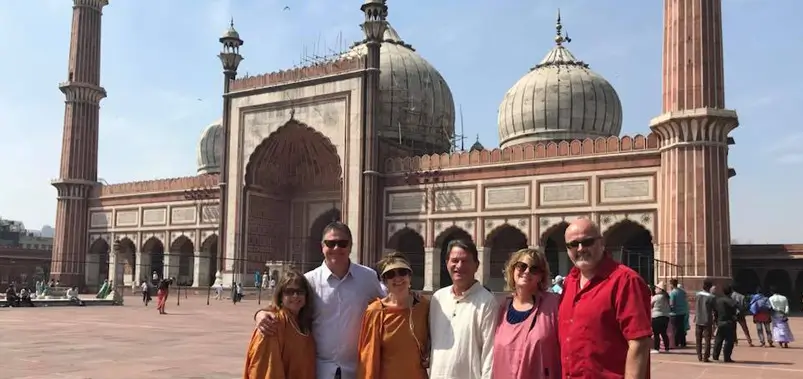
One of the biggest mistakes travelers make is entering Old Delhi without a plan. The district is large, and trying to explore randomly often leads to unnecessary fatigue.
A structured approach works much better.
Most visitors should begin with one major landmark. The Red Fort, Jama Masjid, or Chandni Chowk are all excellent starting points. Choosing one primary location creates an anchor for the day and makes navigation easier.
For many first time visitors, Jama Masjid is an ideal starting point. The mosque provides historical context, impressive architecture, and panoramic views from the minaret. Beginning here allows travelers to observe Old Delhi from above before entering the busy streets below.
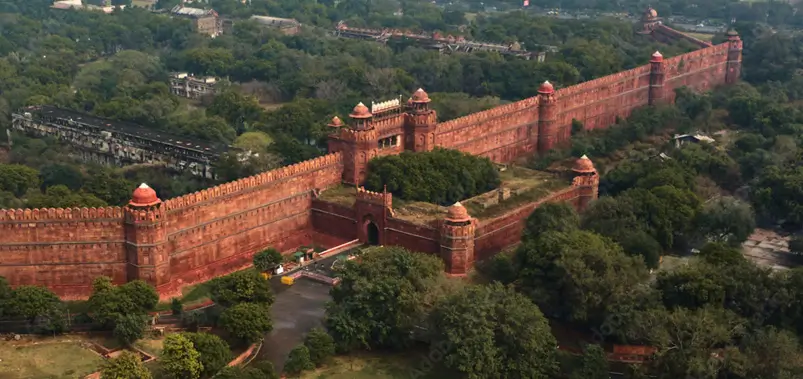
Another excellent option is starting at the Red Fort. Exploring the fort first provides insight into the Mughal history that shaped the surrounding district. Afterward, visitors can move naturally toward Chandni Chowk and nearby markets.
Timing is equally important. Arriving early in the morning offers several advantages. Temperatures are generally cooler, crowd levels are lower, and photography conditions are often better. Morning visits also allow travelers to experience the district gradually before activity reaches its peak.
Comfortable footwear is essential. Exploring Old Delhi involves significant walking, and visitors frequently cover several kilometers without realizing it. Lightweight clothing, water, and a fully charged phone can also improve the experience.
Another useful strategy is limiting expectations. Instead of attempting to visit ten attractions, focus on three or four meaningful experiences. A slower pace often produces deeper appreciation and more memorable interactions.
Travelers who enjoy food may choose to structure their visit around culinary experiences. Those interested in history can focus on monuments and heritage sites. Shoppers may prioritize specific markets. Identifying a primary interest helps create a more coherent itinerary.
The goal is not efficiency. The goal is enjoyment. Old Delhi rewards travelers who allow time for unexpected discoveries rather than treating the district as a checklist of attractions.
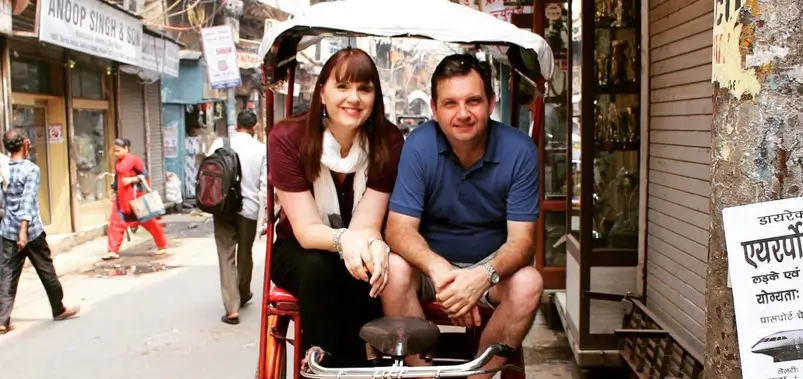
Transportation is one of the areas where visitors often feel most intimidated. The streets of Old Delhi can appear chaotic, and many travelers worry about getting lost or ending up in the wrong place.
Fortunately, navigating the district is easier than it initially seems.
Walking remains the best way to experience Old Delhi. Many attractions are located relatively close together, and walking allows visitors to notice details that would be invisible from a vehicle. Markets, architectural features, street food vendors, and daily life are all easier to appreciate on foot.
However, walking everywhere is not always practical. This is where cycle rickshaws become useful.
Cycle rickshaws are one of the most iconic forms of transportation in Old Delhi. They can navigate narrow lanes inaccessible to larger vehicles and provide a unique perspective on the district. Short rides generally cost between ₹50 and ₹200 depending on distance and negotiation.
Visitors should confirm the price before beginning a journey. Most drivers are honest, but agreeing on a fare in advance avoids misunderstandings later.
The Delhi Metro is another valuable resource. Stations such as Chandni Chowk, Jama Masjid, and Red Fort provide convenient access to the area. Many experienced travelers use the metro to reach Old Delhi and then explore on foot or by rickshaw.
Ride hailing services such as Uber can be useful for reaching the district, but traffic congestion often limits their effectiveness once inside the historic core.
One common mistake is trying to follow digital maps too closely. GPS signals can occasionally become confusing in dense market areas. Paying attention to landmarks often works better than relying exclusively on navigation apps.
Travelers concerned about orientation may find guided walking tours helpful. These tours provide structure while allowing visitors to focus on the experience rather than navigation.
Ultimately, transportation in Old Delhi is part of the adventure. Accepting that movement may be slower than expected helps reduce frustration and allows visitors to appreciate the environment around them.
Many travelers create their own stress by approaching Old Delhi with unrealistic expectations.
One common mistake is trying to see too much in too little time. The district rewards slow exploration. Attempting to visit every major attraction in a few hours often results in exhaustion rather than enjoyment.
Another mistake is arriving during the hottest part of the day. Walking through crowded markets becomes significantly more challenging when temperatures are high. Morning and late afternoon visits are generally much more comfortable.
Some visitors become overly focused on avoiding scams or tourist traps. While basic awareness is important, excessive suspicion can prevent meaningful interactions. Most people encountered in Old Delhi are simply conducting their daily business.
Photography can also become a source of stress. Travelers sometimes spend so much time trying to capture perfect images that they forget to experience the environment itself. The best memories often come from moments that were never photographed.
Overpacking is another common issue. Large bags become uncomfortable in crowded markets and narrow lanes. Carrying only essential items makes movement easier and reduces fatigue.
Many visitors underestimate the value of breaks. Stopping for tea, a snack, or a short rest can significantly improve the overall experience. Old Delhi is best enjoyed at a sustainable pace.
Perhaps the most important mistake to avoid is comparing Old Delhi to modern urban environments. The district operates according to its own rhythms and traditions. Embracing those differences rather than resisting them usually leads to a far more rewarding visit.
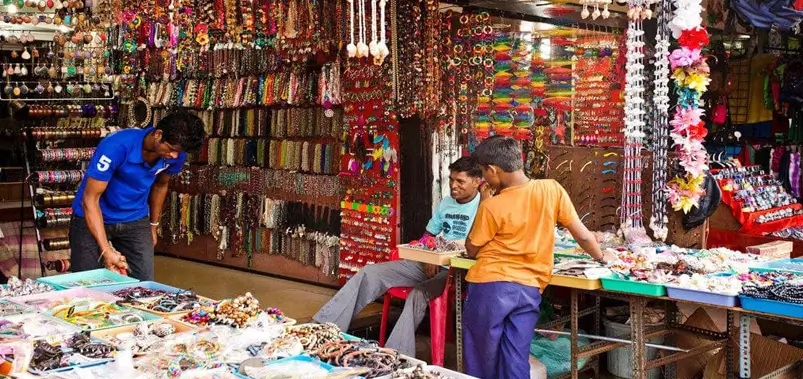
One of the reasons visitors become overwhelmed in Old Delhi is that they enter Chandni Chowk expecting it to function like a modern shopping district. In reality, Old Delhi is made up of dozens of specialized markets, each serving a different purpose. Understanding which market matches your interests can make the experience far more enjoyable.
Chandni Chowk Main Market is usually where first time visitors begin. This area offers a mixture of food, clothing, household goods, souvenirs, and local commerce. Walking through the main street provides a good introduction to the energy of Old Delhi without requiring detailed planning.
Visitors interested in food should continue toward Khari Baoli, one of the largest spice markets in Asia. Here, traders sell spices, herbs, tea, nuts, dried fruits, and traditional ingredients in enormous quantities. The market is particularly popular with photographers because the colors and textures create exceptional visual opportunities. The scent of cardamom, cinnamon, saffron, turmeric, and dried chilies fills the air, creating an experience that feels completely different from ordinary shopping.
Travelers interested in textiles and traditional clothing often enjoy exploring Kinari Bazaar. This market is known for decorative fabrics, wedding accessories, embroidered materials, ribbons, and traditional craft products. Even visitors with no intention of shopping often find the displays fascinating.
For visitors seeking books, stationery, and educational materials, several smaller market streets offer specialized collections that are rarely seen in modern shopping centers.
The key to avoiding stress is choosing one or two markets rather than trying to explore everything. Spending forty five minutes in a market you genuinely enjoy is far more rewarding than rushing through five different areas simply to say you have seen them.
Another useful strategy is allowing yourself time to stop and observe. Some of the most memorable moments occur not while shopping but while watching merchants negotiate, craftsmen work, and local residents go about their daily routines.
Old Delhi is most enjoyable when treated as a cultural experience rather than a shopping mission. The products are interesting, but the atmosphere surrounding them is often even more fascinating.
.webp)
Many travelers are surprised to discover that food often becomes the highlight of their Old Delhi visit. In fact, one of the easiest ways to reduce travel stress in the area is to slow down and enjoy its culinary traditions.
The district is home to some of Delhi's most famous food establishments, many of which have been operating for generations. Rather than rushing between attractions, stopping for a meal creates natural breaks that help visitors recharge while experiencing local culture.
A traditional Old Delhi food experience often begins with snacks such as kachori, chaat, or stuffed parathas. These dishes provide insight into the flavors that have defined local cuisine for decades. Visitors unfamiliar with Indian food frequently discover that the variety is far greater than they expected.
The area surrounding Jama Masjid is particularly famous for Mughlai cuisine. Rich curries, kebabs, traditional breads, and slow cooked dishes continue attracting both locals and tourists. Many restaurants in the area have built reputations over generations and remain important parts of Delhi's culinary identity.
Sweet lovers should not leave Old Delhi without trying some of the district's traditional desserts. Fresh jalebis, rabri, kulfi, and milk based sweets are among the most popular choices. Sampling a few specialties often becomes one of the most memorable parts of a visit.
Food also provides opportunities for cultural interaction. Restaurant owners, vendors, and cooks are often happy to explain dishes and share stories about their businesses. These conversations frequently become some of the most authentic interactions travelers experience during their time in India.
Visitors concerned about food safety should focus on busy establishments with high customer turnover. Freshly prepared dishes from reputable vendors are generally a safer choice than food that has been sitting for long periods.
Taking time to enjoy a meal transforms Old Delhi from a potentially exhausting sightseeing destination into a place where visitors can relax, observe, and appreciate local life.
One of the most frequently asked questions concerns safety. The good news is that Old Delhi is generally safe for tourists, including solo travelers, families, and international visitors. However, understanding a few practical guidelines can make the experience smoother.
The most important advice is to remain aware of your surroundings. Old Delhi is crowded, and large crowds naturally require attention to personal belongings. Keeping wallets, phones, passports, and valuables secure is always recommended.
Visitors should avoid carrying excessive amounts of cash. Most travelers only need enough money for transportation, food, shopping, and small expenses. Keeping the majority of valuables safely stored at the hotel reduces unnecessary risk.
Another useful strategy is dressing comfortably but respectfully. Visitors who blend into the environment rather than attracting attention often find the experience more relaxed.
Photography should also be approached thoughtfully. Most people are happy to be photographed when asked politely, but taking close up pictures without permission can occasionally create uncomfortable situations.
Women traveling alone generally report positive experiences in Old Delhi, particularly during daytime hours. As in any major city, staying aware of surroundings and avoiding isolated areas after dark is sensible.
Scams are less common than many travelers fear, but occasional overcharging can occur. Agreeing on rickshaw fares before beginning a ride and confirming prices before making purchases helps prevent misunderstandings.
Visitors should also remember that Old Delhi is an active commercial district rather than a controlled tourist environment. Streets are busy, vehicles move through narrow lanes, and daily life continues around you. Paying attention while walking is often more important than worrying about crime.
Most travelers discover that Old Delhi feels far safer than they initially expected. Confidence usually grows quickly once they begin interacting with the area and its residents.
Having a structured itinerary is one of the easiest ways to avoid feeling overwhelmed.
For a half-day visit, start early in the morning at Jama Masjid. Spend time exploring the mosque and, if possible, climb the minaret for views across Old Delhi. From there, walk toward Chandni Chowk and explore a section of the market before stopping for lunch at a traditional restaurant. Finish the visit with a short walk through Khari Baoli before returning to your hotel.
A full-day itinerary allows for a much richer experience. Begin at the Red Fort when it opens and spend several hours exploring the complex. Continue to Jama Masjid around midday and then enjoy lunch in the surrounding area.
The afternoon can be dedicated to Chandni Chowk, Khari Baoli, Kinari Bazaar, and selected market streets. Visitors interested in food can include a guided food walk, while photographers may prefer spending additional time documenting daily life and architecture.
Those interested in history may also choose to visit nearby heritage buildings and hidden havelis that many tourists overlook. A full day provides enough flexibility to move at a comfortable pace without feeling rushed.
The advantage of a structured itinerary is that it reduces decision fatigue. Rather than constantly wondering where to go next, visitors can focus on enjoying the experience itself.
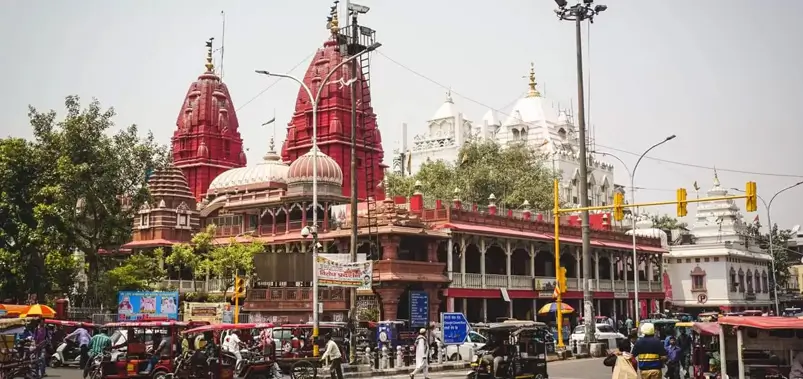
Although the Red Fort, Jama Masjid, and Chandni Chowk receive most of the attention, some of Old Delhi's most rewarding experiences are hidden in smaller streets and lesser known locations.
Several historic havelis remain scattered throughout the district. These traditional mansions provide insight into the lifestyles of wealthy merchant families who once played important roles in the city's commercial life. Their courtyards, balconies, and architectural details often reveal remarkable craftsmanship.
Small temples, shrines, and community spaces can also be found throughout the area. These locations rarely appear in guidebooks but offer valuable insight into local culture and religious traditions.
Another hidden attraction is simply observing daily commerce. Watching craftsmen create products by hand, traders negotiate prices, or merchants organize goods often provides more cultural insight than many formal attractions.
Rooftop viewpoints are another secret worth seeking out. Some cafes and guesthouses offer elevated perspectives over the rooftops of Old Delhi, providing opportunities to appreciate the scale and density of the historic district.
Early morning exploration can also reveal a completely different side of Old Delhi. Before the busiest crowds arrive, streets feel calmer, markets prepare for the day, and photographers can capture scenes that disappear later.
The beauty of Old Delhi is that hidden gems are everywhere. Remaining curious and allowing time for spontaneous discoveries often leads to the most memorable experiences.
Old Delhi can accommodate almost every travel budget.
Budget travelers using the metro, eating at local establishments, and limiting shopping may spend as little as ₹500–₹1,500 for a day.
Mid-range visitors who use taxis occasionally, enjoy meals at established restaurants, and purchase a few souvenirs often spend between ₹2,000 and ₹5,000.
Luxury travelers hiring private guides, using private transportation, and enjoying premium dining experiences may spend ₹8,000–₹20,000 or more depending on preferences.
Typical expenses include:
The encouraging reality is that many of Old Delhi's most memorable experiences cost very little. Walking through historic streets, observing daily life, visiting religious landmarks, and exploring markets often provide greater satisfaction than expensive activities.
We promise you a holiday where everything is taken care of from the moment you land. Trusted drivers waiting for you, handpicked hotels that fit your style, personalized itineraries designed just for your family, and a dedicated team on call 24/7. All you need to do is relax, explore, and create unforgettable memories, while we take care of every detail behind the scenes.
The district is busy, energetic, and highly stimulating. First-time visitors often try to absorb too much at once. Slowing down, focusing on a few experiences, and accepting that you cannot see everything usually transforms the experience into something enjoyable and memorable.
Yes. In fact, many travelers consider this combination the ideal introduction to Old Delhi. Together, these attractions provide a balance of history, culture, food, shopping, and architecture.
Popular purchases include spices, textiles, traditional clothing, decorative items, tea, handicrafts, and souvenirs. Exploring specialized markets often reveals products that are difficult to find elsewhere.
Many solo female travelers visit Old Delhi successfully. Staying aware of surroundings, dressing comfortably and respectfully, and exploring during daytime hours generally contributes to a positive experience.
Visitors should expect a considerable amount of walking. Comfortable footwear is essential because many of the most interesting areas are best explored on foot.
The period between October and March generally provides the most comfortable weather. Cooler temperatures make walking easier and allow visitors to spend more time outdoors.
Yes. Families frequently visit the area and enjoy attractions such as Jama Masjid, the Red Fort, food markets, and cultural experiences. Planning visits during cooler hours helps ensure greater comfort for children.
Yes. Many visitors successfully explore independently using maps and basic planning. However, guides can provide historical context, local knowledge, and navigation assistance that significantly enrich the experience.
A minimum of half a day is recommended, although a full day provides a much more complete experience. Travelers interested in photography, food, shopping, and history often find that they could easily spend several days exploring different parts of the district.
Absolutely. Old Delhi offers one of the most authentic introductions to Indian history, culture, food, architecture, and daily life. While it can feel intense initially, most travelers consider it one of the highlights of their trip because it provides experiences that cannot be replicated elsewhere.