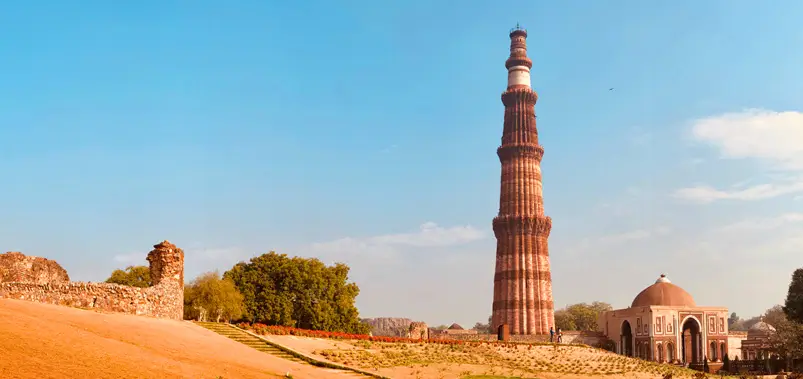
Most first time visitors to India arrive with a long list of famous landmarks they want to see. The Taj Mahal, Amber Fort, Qutub Minar, and the colorful streets of Jaipur often dominate travel plans. Yet many travelers leave India talking about something completely different. They talk about the food.
Nowhere is this more evident than in Old Delhi. Long before social media food influencers began creating videos about Indian street food, Old Delhi was already one of the country's most celebrated culinary destinations. Its narrow lanes, bustling markets, historic restaurants, traditional sweet shops, and family owned kitchens have been feeding locals, traders, travelers, and royalty for generations.
For foreign visitors, however, Old Delhi can feel overwhelming. Hundreds of food stalls compete for attention. Every street seems to have its own specialty. Local guides recommend one place, online reviews recommend another, and countless videos claim to reveal "the best food in Delhi." The result is often confusion rather than clarity.
The truth is that an enjoyable Old Delhi food tour is not about eating everything. It is about understanding which foods represent the area's culinary heritage, knowing where to find the best versions of those dishes, and learning how to navigate the experience safely and confidently.
Old Delhi's food culture reflects centuries of history. Mughal influences, traditional North Indian recipes, regional cooking techniques, and local innovations have all contributed to a food scene unlike anywhere else in India. Many establishments still prepare dishes using methods that have remained unchanged for generations. Some businesses have been operated by the same families for decades, making them as much a part of Delhi's heritage as the monuments themselves.
A well planned food tour allows visitors to experience this culinary history while also discovering the everyday flavors that define life in the city. From crispy snacks and rich curries to legendary sweets and refreshing drinks, Old Delhi offers a remarkable variety of experiences. Understanding what to eat, where to eat, when to eat, and what to avoid can transform a confusing day into one of the highlights of an India journey.
Old Delhi occupies a unique position in India's culinary landscape. While many cities are known for specific dishes, Old Delhi is known for its extraordinary concentration of food traditions. Walking through the district is like moving through a living food museum where every lane tells a different story.
The area's food culture developed during the Mughal period when Delhi served as one of the most important political and cultural centers in the region. Wealthy families, traders, nobles, and royal households demanded sophisticated cuisine prepared by highly skilled cooks. Over time, these culinary traditions merged with local influences, creating dishes that became deeply associated with the city.
What makes Old Delhi special is not simply the quality of the food but the continuity of its traditions. Many famous establishments continue operating from the same locations where they first opened decades ago. Recipes have been passed down through generations, often remaining remarkably unchanged despite the city's rapid modernization.
Another reason Old Delhi attracts food lovers from around the world is the diversity available within a relatively small area. A visitor can sample savory snacks, traditional breads, rich curries, grilled meats, regional sweets, fresh fruit drinks, and specialty desserts without leaving the district. Few places offer such variety within walking distance.
Unlike many modern restaurant districts, Old Delhi's reputation was not built through marketing campaigns or tourism initiatives. It emerged organically through word of mouth. Families returned generation after generation because certain establishments consistently delivered exceptional food. Travelers heard stories about legendary restaurants and sought them out. Over time, these recommendations created a culinary reputation that spread across India and eventually around the world.
For foreign visitors, this history adds an important dimension to the experience. Eating in Old Delhi is not simply about tasting food. It is about participating in traditions that have shaped the city's identity for centuries. Every meal becomes part of a larger story connecting culture, history, and community.
The district's atmosphere also contributes to its appeal. Vendors call out to customers, cooks prepare food in open kitchens, and generations old businesses operate beside modern shops. The sensory experience is intense but unforgettable. For many visitors, the energy of Old Delhi becomes just as memorable as the food itself.
One of the most common mistakes first time visitors make is trying to eat too much too quickly. Old Delhi offers an overwhelming number of options, and many travelers feel pressure to sample everything. A better approach is to focus on a carefully selected group of dishes that represent the area's culinary heritage.
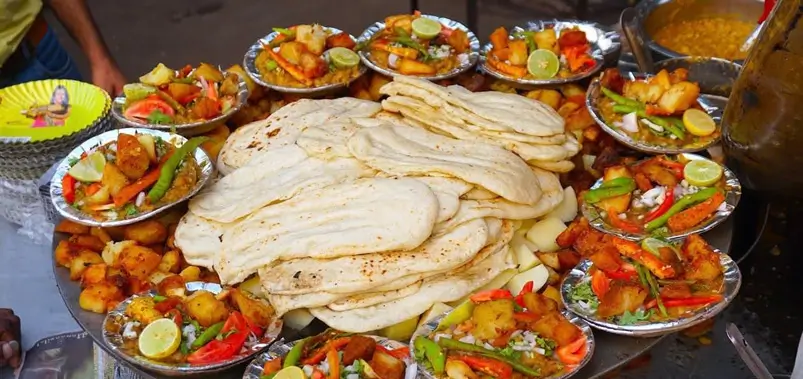
A traditional Old Delhi food tour often begins with parathas. These stuffed flatbreads are among the district's most famous specialties. In Paranthe Wali Gali, several family owned establishments continue preparing parathas using techniques that have been refined over generations. Popular fillings include potato, paneer, mixed vegetables, and seasonal ingredients. A typical meal costs between ₹150 and ₹400 per person depending on the variety selected.
Another essential dish is chaat. This category includes several savory snacks known for their combination of sweet, sour, spicy, and tangy flavors. Many visitors describe chaat as one of the most unique food experiences they encounter in India because the flavor profile differs significantly from anything commonly found in Western cuisine.
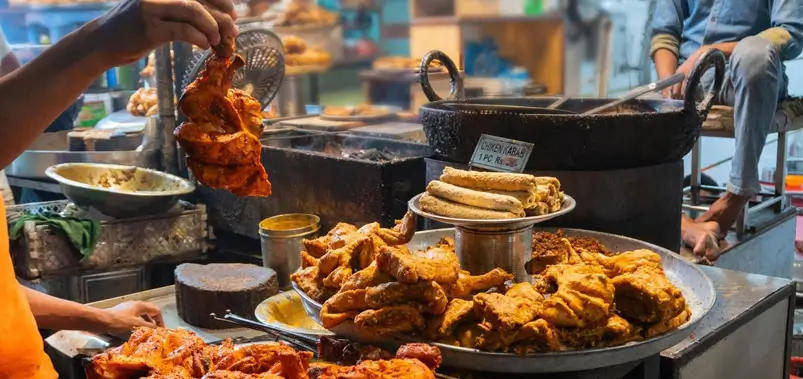
For travelers who enjoy meat dishes, the area surrounding Jama Masjid offers several legendary options. Rich curries, grilled meats, and traditional Mughlai preparations remain among the most sought after foods in the district. These dishes reflect culinary traditions developed during the Mughal era and continue to attract both locals and tourists.
No food tour would be complete without sampling Old Delhi's famous sweets. Traditional desserts prepared using milk, nuts, saffron, and clarified butter remain central to the area's food culture. Sweet shops often display dozens of varieties, each with its own history and preparation method.
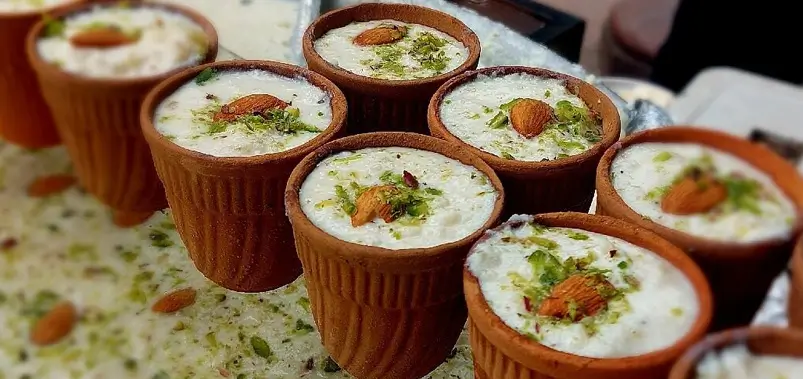
Fresh lassi is another excellent choice for visitors. This yogurt based drink helps balance some of the richer foods commonly consumed during a food tour. Many travelers appreciate it as a refreshing break between more substantial dishes.
The key is to pace yourself. Old Delhi rewards curiosity, but it also rewards moderation. Sampling smaller portions allows visitors to experience greater variety without becoming overwhelmed.

Old Delhi's reputation is built not only on street food but also on historic restaurants that have become culinary institutions. These establishments attract visitors from across India and around the world, often serving dishes that have remained popular for generations.
One of the most famous names is Karim's, located near Jama Masjid. Established more than a century ago, Karim's has become synonymous with traditional Mughlai cuisine. Visitors frequently order mutton dishes, kebabs, curries, and traditional breads. Depending on selections, meals generally cost between ₹800 and ₹2,500 for two people.
Another highly respected establishment is Al Jawahar. Located close to Karim's, it has developed a loyal following among both locals and tourists. Comparisons between Karim's and Al Jawahar are common, with passionate supporters on both sides. Many experienced food lovers recommend visiting both establishments and deciding personally which style they prefer.
For traditional vegetarian cuisine, several establishments in Chandni Chowk continue serving recipes that have been popular for decades. These restaurants often focus on a smaller menu, emphasizing consistency and quality rather than variety.
Foreign visitors sometimes expect luxury dining environments and are surprised by the simplicity of many legendary restaurants. The focus remains on food rather than décor. While some establishments have modernized over time, others maintain a traditional atmosphere that reflects their history.
The popularity of these restaurants means that waiting times can be significant during busy periods. Visiting outside peak meal hours often provides a more relaxed experience.
Many travelers consider dining at these historic restaurants one of the highlights of their Delhi visit because the food offers a direct connection to the city's culinary heritage.
Old Delhi's sweet shops are as important to its culinary identity as its savory food establishments. For generations, families have visited these shops during celebrations, festivals, and special occasions. Today, they remain essential stops for food focused travelers.
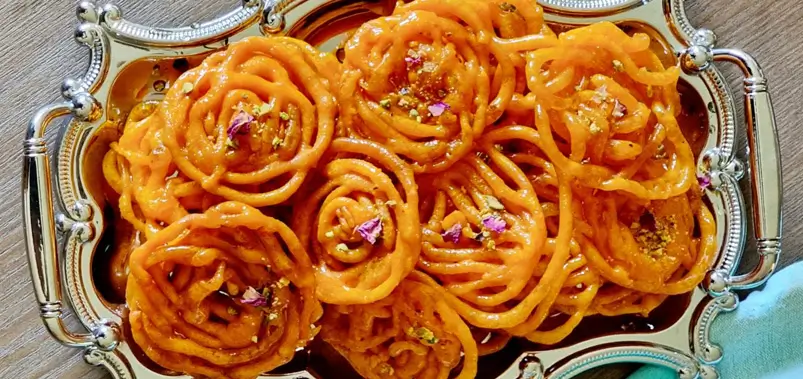
One of the most famous destinations is Old Famous Jalebi Wala, known for serving hot jalebis prepared using traditional methods. Fresh jalebis are crispy, syrup soaked, and surprisingly addictive. A serving generally costs between ₹80 and ₹200 depending on quantity.
Rabri is another popular dessert. Prepared from slowly reduced milk, it offers a rich texture and delicate sweetness. Many visitors find it unlike any dessert they have previously encountered.
Traditional milk based sweets remain central to Old Delhi's food culture. Shops display dozens of varieties made from milk solids, nuts, saffron, cardamom, and sugar. Sampling a few different types provides insight into the diversity of Indian confectionery traditions.
Kulfi, often described as Indian ice cream, is another favorite. However, its texture and preparation differ significantly from Western ice cream. Dense, creamy, and intensely flavored, kulfi provides a refreshing contrast to the district's richer foods.
Visitors should remember that sweets in India are often sweeter than desserts commonly consumed in Europe or North America. Ordering smaller portions initially allows travelers to discover their preferences without overcommitting.
One concern frequently raised by international travelers involves food safety. While Old Delhi offers extraordinary culinary experiences, sensible precautions can help ensure a comfortable visit.
Choose vendors and restaurants with visible customer activity. High turnover generally means food is prepared and served frequently. Freshly cooked dishes are often preferable to items that have been sitting for extended periods.
Bottled water is strongly recommended. Visitors should confirm that seals remain intact before consumption. Many experienced travelers avoid ice unless they are confident about water quality.
Restaurants with strong reputations and consistent customer traffic generally provide a safer introduction to local cuisine. Once visitors become more comfortable, they can gradually explore additional options.
Hand sanitizer can be useful when moving between multiple food stops. Comfortable footwear, hydration, and pacing also contribute to a better overall experience.
Most importantly, visitors should listen to their bodies. Sampling small portions from multiple locations is often more enjoyable than consuming large quantities at a single stop.
Timing significantly influences the quality of a food tour. Cooler months generally provide the most comfortable conditions for walking between locations and exploring the district.
The period between October and March is often considered ideal. Pleasant temperatures allow visitors to spend extended periods outdoors without discomfort. Food tours during winter evenings can be particularly enjoyable.
Morning tours offer a different atmosphere than evening visits. Mornings tend to be less crowded and provide opportunities to observe businesses preparing for the day. Evenings are more energetic, with larger crowds and a vibrant street atmosphere.
Many experienced guides recommend arriving hungry but not starving. A food tour works best when visitors have enough appetite to sample multiple dishes without rushing through the experience.
We promise you a holiday where everything is taken care of from the moment you land. Trusted drivers waiting for you, handpicked hotels that fit your style, personalized itineraries designed just for your family, and a dedicated team on call 24/7. All you need to do is relax, explore, and create unforgettable memories, while we take care of every detail behind the scenes.
October through March typically provides the most comfortable weather conditions.
Yes, although parents should select dishes carefully based on individual preferences.
Comfortable clothing and walking shoes are recommended.
Not essential, but a knowledgeable guide can provide valuable cultural and culinary insights.
Most visitors spend between three and five hours exploring the district.
Late morning and early evening are generally considered ideal.
Absolutely. The district offers an outstanding variety of vegetarian dishes.
Parathas, chaat, kebabs, Mughlai curries, jalebi, and lassi are among the most famous specialties.
Self-guided tours can cost ₹500–₹2,000 per person, while guided experiences may range from ₹2,000–₹6,000.
Yes, when visitors choose reputable vendors and follow basic food safety precautions.