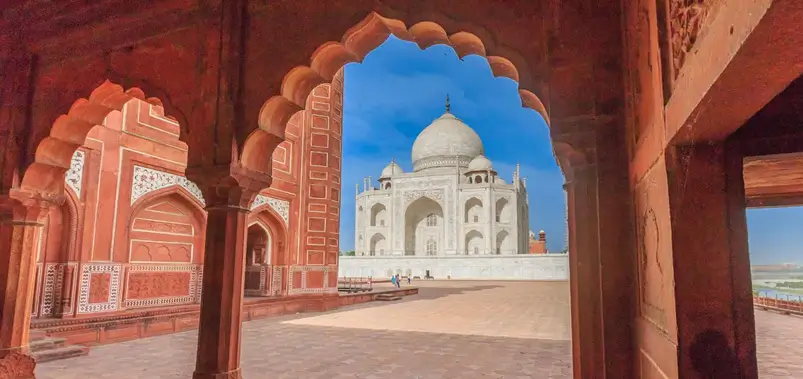
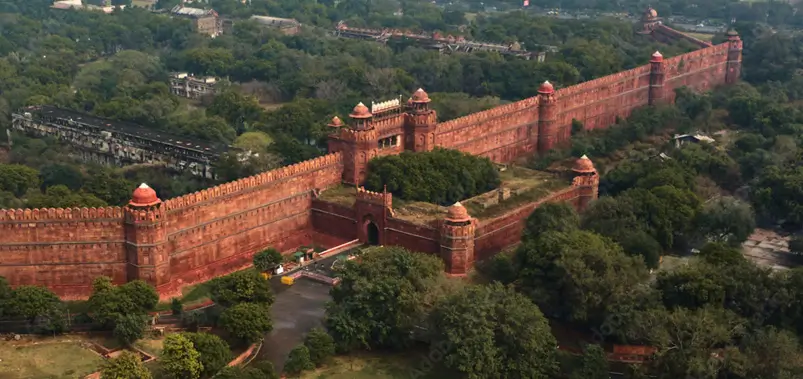
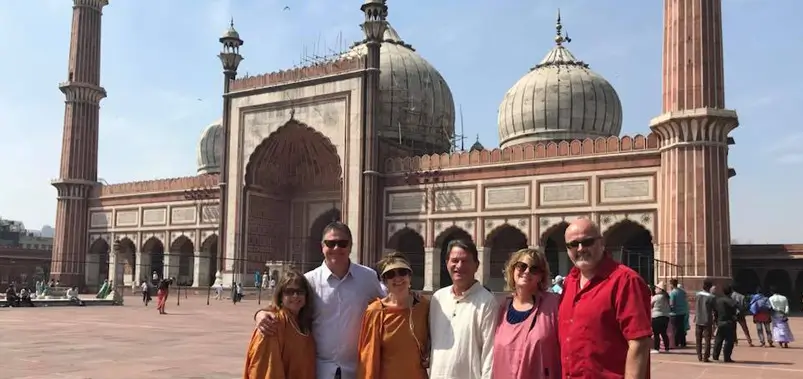
For many international travelers, the first view of Jama Masjid Delhi is unforgettable. Rising above the busy streets of Old Delhi, surrounded by markets, food stalls, rickshaws, and centuries of history, the mosque immediately commands attention. Its massive courtyard, elegant domes, towering minarets, and red sandstone architecture make it one of the most important religious and historical landmarks in India.
While millions of people visit the Taj Mahal every year, many experienced travelers consider Jama Masjid one of Delhi's most authentic cultural experiences. Unlike monuments that function purely as tourist attractions, Jama Masjid remains an active place of worship where local residents gather daily for prayer. Visitors therefore experience not only architecture and history but also living traditions that continue to shape daily life in Old Delhi.
The mosque was commissioned by Mughal Emperor Shah Jahan, the same ruler responsible for constructing the Red Fort and the Taj Mahal. Built during the height of Mughal power, Jama Masjid was designed to serve as the principal mosque of the imperial capital. Even today, it remains one of the largest and most significant mosques in India.
Many foreign visitors arrive with practical questions. Is there an entry fee? What should you wear? Can women enter? Is photography allowed? What time should you visit? Is climbing the minaret worth it? Can Jama Masjid be combined with Chandni Chowk and Red Fort in a single day?
Understanding these details before arrival helps visitors enjoy the experience while respecting local customs. A visit to Jama Masjid is not simply another sightseeing stop. It is an opportunity to observe one of Delhi's most important religious sites, appreciate extraordinary Mughal architecture, and gain insight into a community that has gathered here for centuries.
For travelers exploring Delhi as part of a Golden Triangle Tour, Jama Masjid often becomes one of the most memorable attractions because it combines history, spirituality, architecture, photography, and local culture within a single destination.
Explore the Historic Heart of Old Delhi
Make your visit to Jama Masjid even more memorable by discovering the rich heritage of Old Delhi. Explore iconic monuments, bustling bazaars, historic streets, and famous local food spots with the comfort of a private chauffeur-driven car and a flexible sightseeing itinerary.
The history of Jama Masjid is closely connected to the rise of Shahjahanabad, the Mughal city that eventually became Old Delhi. When Emperor Shah Jahan moved the imperial capital from Agra to Delhi, he envisioned a grand city filled with monumental architecture that would demonstrate the wealth and power of his empire.
The Red Fort served as the political center of this new city, while Jama Masjid became its spiritual heart. Construction required thousands of workers and several years of effort. Built primarily from red sandstone and white marble, the mosque quickly became one of the most impressive religious structures in the region.
The design reflects classic Mughal architectural principles. Large courtyards, elegant domes, symmetrical layouts, decorative marble work, and towering minarets combine to create a structure that remains visually impressive centuries after its completion.
Historically, Jama Masjid was more than a place for prayer. It functioned as a center of community life where religious scholars, merchants, travelers, and local residents gathered. Important announcements were often made here, and the mosque played a significant role in the social fabric of the city.
Even today, Jama Masjid remains an active place of worship. Daily prayers continue, religious festivals attract large gatherings, and the mosque remains deeply connected to the surrounding community. This ongoing religious function distinguishes it from many historical monuments that no longer serve their original purpose.
Visitors often notice the atmosphere immediately upon entering. Despite being located within one of Delhi's busiest districts, the mosque creates a sense of space and calm. The enormous courtyard allows thousands of worshippers to gather while also providing visitors with opportunities to appreciate the scale of the structure.
For history enthusiasts, Jama Masjid offers insight into the religious and cultural dimensions of Mughal society. For photographers, it provides some of the most striking architectural scenes in Delhi. For travelers interested in local culture, it offers a rare opportunity to observe daily religious life within one of India's most important Islamic landmarks.
One of the most common questions visitors ask concerns clothing requirements. Because Jama Masjid remains an active place of worship, respectful dress is expected from everyone entering the complex.
Men should generally wear clothing that covers their shoulders and knees. T-shirts, shirts, trousers, and long shorts are usually acceptable as long as they are modest. Sleeveless shirts and overly revealing clothing are discouraged.
Women are expected to dress more conservatively. Clothing should cover the shoulders, arms, and legs. Many female visitors choose loose trousers, long skirts, or dresses combined with scarves. If clothing is considered inappropriate, robes are often available for rent or temporary use near the entrance.
Footwear must be removed before entering certain areas of the mosque. Visitors should be prepared to walk barefoot on stone surfaces, which can become hot during summer afternoons. Socks can sometimes make walking more comfortable.
Head coverings are not always mandatory for visitors, but many travelers choose to cover their heads as a sign of respect. Women frequently carry lightweight scarves for this purpose.
The dress code is not intended to discourage tourism. Rather, it reflects the fact that Jama Masjid remains an active religious site. Visitors who approach the experience respectfully generally find the atmosphere welcoming and accommodating.
Travelers who arrive appropriately dressed avoid delays, additional clothing rental costs, and potential misunderstandings. Planning ahead allows visitors to focus on enjoying the architecture and cultural significance of the mosque rather than worrying about entry requirements.
The key principle is simple: dress modestly and respectfully. Doing so helps ensure a positive experience for both visitors and worshippers.
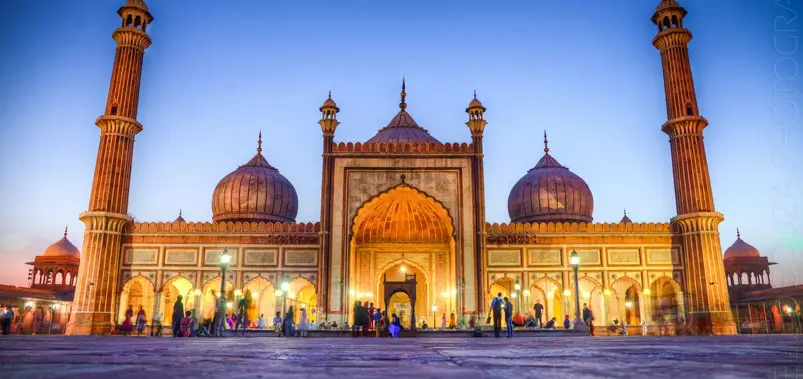
Many tourists assume that visiting Jama Masjid is completely free, but the reality can be slightly more complicated. Entry to the mosque itself is generally free for visitors, although certain charges may apply for photography equipment, video recording, or access to specific areas.
Photography policies occasionally change, and visitors may be asked to pay a camera fee depending on the type of equipment they are carrying. Professional cameras, tripods, and video equipment are more likely to attract additional charges than standard smartphones.
One of the most popular experiences is climbing the southern minaret. Visitors who make the climb are rewarded with impressive panoramic views of Old Delhi, Chandni Chowk, and the surrounding cityscape. A separate fee is generally charged for this activity, particularly for foreign visitors.
Approximate visitor expenses often include:
Travelers should carry some cash because smaller payments may not always be accepted electronically.
Guide services are available near the mosque. While not essential, knowledgeable guides can explain architectural features, historical background, and religious practices that visitors might otherwise overlook. Prices vary depending on language requirements and tour duration.
Visitors combining Jama Masjid with Chandni Chowk often spend additional money on food, transportation, and shopping. Budget conscious travelers can easily explore the area affordably, while food enthusiasts may choose to indulge in some of Old Delhi's famous culinary experiences.
Choosing the right time to visit Jama Masjid can dramatically improve your experience. While the mosque remains impressive throughout the day, crowd levels, weather conditions, prayer schedules, and photography opportunities vary considerably depending on when you arrive.
Most experienced travelers recommend visiting either early in the morning or during the late afternoon. Morning visits are often quieter, temperatures are generally more comfortable, and the soft sunlight creates beautiful conditions for photography. The atmosphere also feels more relaxed before the busiest hours of the day begin.
Late afternoon visits offer a different experience. As the sun begins to descend, the red sandstone and white marble surfaces of the mosque often appear especially attractive. The surrounding streets become increasingly active, creating opportunities to experience both the mosque and the vibrant life of Old Delhi.
Midday visits can be challenging, particularly during warmer months. The stone courtyard absorbs heat and temperatures can become uncomfortable. Visitors planning to spend significant time exploring should consider carrying water and avoiding the hottest hours whenever possible.
Prayer times are another important consideration. Jama Masjid is first and foremost a functioning religious site. During prayer periods, certain areas may become more crowded, and visitors should remain respectful of worshippers. Observing prayer from an appropriate distance can be a meaningful cultural experience, but tourists should avoid disrupting religious activities.
Most visitors spend between one and two hours at the mosque. Travelers interested in architecture, photography, and cultural observation may spend longer, especially if they choose to climb the minaret and explore surrounding streets. Those combining the mosque with Chandni Chowk and Red Fort often allocate approximately ninety minutes before continuing to nearby attractions.
The period between October and March generally provides the most comfortable weather conditions. During these months, visitors can spend extended periods exploring without the discomfort associated with Delhi's summer temperatures.
A well-planned visit allows travelers to appreciate the mosque's architectural beauty, observe local religious life, enjoy excellent photography opportunities, and still leave time for nearby attractions that make Old Delhi one of the most fascinating districts in India.
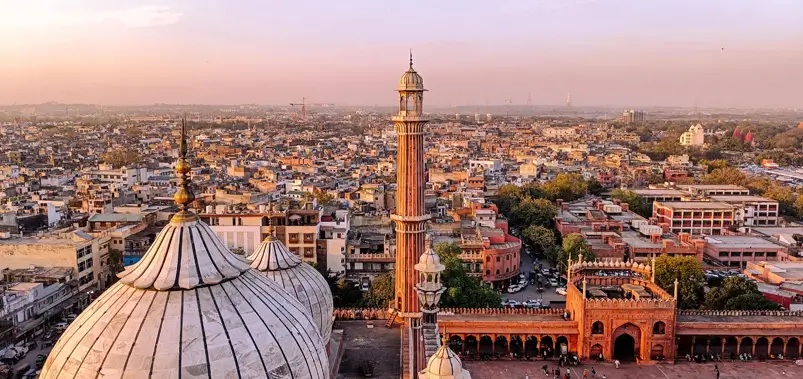
Among all the experiences available at Jama Masjid, climbing the southern minaret remains one of the most popular. Many first time visitors wonder whether the climb is worth the effort, especially after already spending time exploring the main courtyard and prayer hall.
For most travelers, the answer is yes.
The climb involves ascending a narrow spiral staircase that becomes progressively tighter near the top. Visitors should be prepared for limited space and occasional waits as people move in both directions. Those uncomfortable with confined spaces may find the experience challenging.
However, reaching the top provides a reward that few locations in Delhi can match. The panoramic views across Old Delhi are remarkable. From the viewing area, travelers can observe the dense urban fabric of Chandni Chowk, the domes and rooftops that characterize the historic district, and landmarks scattered across the city.
Photographers particularly appreciate the opportunity because the perspective is entirely different from street level. The contrast between historic neighborhoods and modern Delhi becomes clearly visible from above. Sunrise and late afternoon often provide especially attractive lighting conditions.
The climb also offers insight into the scale of the mosque itself. Looking down into the enormous courtyard helps visitors understand how large gatherings can be accommodated during important religious occasions.
Visitors should note that the staircase is narrow and may not be suitable for individuals with mobility concerns. Comfortable footwear is recommended, and carrying large bags can make the climb more difficult.
Although the minaret experience involves an additional fee, many travelers consider it one of the highlights of their visit. For those interested in photography, architecture, or panoramic city views, it is often well worth the extra expense.
One of the advantages of visiting Jama Masjid is its location. The mosque sits in the heart of Old Delhi, surrounded by some of the city's most important historical, cultural, and culinary attractions.
Immediately outside the mosque, visitors encounter an energetic environment filled with food vendors, market stalls, rickshaws, and local businesses. The atmosphere changes dramatically from the calm interior of the mosque to the bustling activity of the surrounding streets.
A short walk leads directly into Chandni Chowk, one of India's most famous markets. Exploring the district allows travelers to experience traditional commerce, historic architecture, specialized markets, and some of Delhi's most celebrated food establishments.
The nearby Red Fort is another essential attraction. Many travelers combine both sites during the same day because they are closely linked through history. The fort and mosque were both commissioned by Shah Jahan and formed central components of the Mughal capital.
Food lovers often consider the area surrounding Jama Masjid a destination in its own right. Several historic restaurants have built reputations over generations and continue serving traditional Mughlai cuisine. Visitors interested in experiencing Old Delhi's culinary heritage frequently schedule lunch or dinner in the area after exploring the mosque.
Photography enthusiasts also find countless opportunities nearby. Narrow lanes, historic buildings, colorful markets, and daily street life provide subjects that differ completely from the architectural photography available inside the mosque.
For travelers with additional time, a guided walking tour of Old Delhi can provide deeper insight into the area's history, communities, and cultural traditions. These tours often reveal hidden landmarks that independent visitors might otherwise overlook.
The combination of Jama Masjid, Chandni Chowk, and Red Fort creates one of the most rewarding sightseeing experiences available in Delhi. Together, these attractions offer a comprehensive introduction to the city's Mughal heritage and contemporary culture.
Discover the Timeless Heritage of Delhi
Experience Delhi's fascinating blend of history and culture with a personalized private tour. Visit magnificent monuments, centuries-old neighborhoods, vibrant shopping streets, and hidden cultural landmarks while enjoying the comfort of a chauffeur-driven car throughout your journey.
Understanding local etiquette helps visitors enjoy Jama Masjid respectfully and comfortably. While the mosque welcomes tourists, it remains a sacred religious site where worship continues daily.
One of the most important principles is maintaining a respectful attitude. Visitors should remember that many people present are there for prayer rather than sightseeing. Speaking quietly and avoiding disruptive behavior contributes to a positive atmosphere.
Photography should be approached thoughtfully. While photographs are generally permitted in many areas, visitors should avoid taking intrusive pictures of worshippers without permission. Respect for personal privacy is always appreciated.
Dress modestly and follow instructions provided by staff members. Clothing requirements exist to maintain the religious character of the site rather than to inconvenience visitors.
Shoes must be removed in designated areas. Visitors should pay attention to local practices and follow the guidance of mosque attendants.
During prayer periods, some areas may become busier or less accessible. Observing from an appropriate distance allows travelers to witness religious traditions without interfering with them.
Public displays of affection, loud conversations, and inappropriate posing for photographs should be avoided. The mosque is not merely a backdrop for social media content; it is an active place of worship with deep cultural significance.
Travelers who approach the visit with curiosity, humility, and respect generally receive a warm welcome and often find the experience more meaningful as a result.
One frequent mistake is arriving without understanding the dress code. Visitors wearing inappropriate clothing may need to rent additional garments before entering, causing unnecessary delays.
Another common error is rushing through the visit. Some tourists spend only fifteen or twenty minutes inside before leaving. Doing so means missing many architectural details and opportunities to appreciate the atmosphere of the mosque.
Many visitors also underestimate the value of climbing the minaret. Although it requires additional effort and expense, the views often become one of the most memorable aspects of the visit.
Some travelers arrive during peak afternoon heat and quickly become uncomfortable. Morning and late afternoon visits generally provide a much more pleasant experience.
Another mistake involves focusing exclusively on photography while ignoring the cultural and religious significance of the site. Jama Masjid offers far more than visual beauty. Understanding its role within the community adds depth to the experience.
Finally, many tourists fail to explore the surrounding area. Leaving immediately after visiting the mosque means missing Chandni Chowk, Old Delhi's famous food scene, and several important historical attractions located nearby.
Avoiding these common mistakes helps ensure a richer and more rewarding visit.

We promise you a holiday where everything is taken care of from the moment you land. Trusted drivers waiting for you, handpicked hotels that fit your style, personalized itineraries designed just for your family, and a dedicated team on call 24/7. All you need to do is relax, explore, and create unforgettable memories, while we take care of every detail behind the scenes.
Jama Masjid combines historical significance, architectural beauty, cultural importance, and religious relevance. It remains one of India's most important mosques while also serving as a major historical attraction. Its connection to the Mughal Empire and its continuing role in community life make it one of the most meaningful places to visit in Delhi.
Most travelers spend between one and two hours at the mosque. Visitors interested in photography, architecture, or climbing the minaret may wish to allow additional time. Combining the mosque with Chandni Chowk and Red Fort often turns the experience into a half-day or full-day itinerary.
Yes. Families frequently visit the mosque, and children often enjoy the large courtyard and impressive architecture. Parents should ensure that children follow etiquette guidelines and remain respectful of worshippers.
The climb involves a narrow spiral staircase and can feel confined in certain sections. Visitors with mobility concerns or discomfort in tight spaces may find it challenging. Those who complete the climb, however, are rewarded with some of the best views available in Old Delhi.
The most comfortable period is generally between October and March. Cooler temperatures make walking around Old Delhi more enjoyable and allow visitors to spend more time exploring both the mosque and nearby attractions.
Photography is generally allowed in many areas, although fees and restrictions may apply depending on equipment. Visitors should remain respectful when photographing worshippers and always follow any instructions provided by mosque authorities.
A guide is not essential, but many visitors find guided tours valuable. Guides can explain architectural features, historical context, religious customs, and local traditions that might otherwise go unnoticed. Travelers with a strong interest in history often appreciate the additional insight.
Most visitors spend relatively little inside the mosque itself. However, carrying some cash is useful for camera fees, minaret access, robe rental, refreshments, transportation, and optional guide services. Travelers exploring Chandni Chowk afterward may also wish to budget for food and shopping.
Yes, Jama Masjid is considered safe for foreign visitors and attracts travelers from around the world. As with any busy tourist destination, visitors should remain aware of personal belongings and exercise normal precautions. The area is generally active throughout the day, and the presence of tourists is very common.
Yes, women are welcome to visit Jama Masjid. However, appropriate clothing is required. Arms, shoulders, and legs should be covered, and modest attire is expected. If necessary, robes are usually available near the entrance. Women visit the mosque every day, and travelers who dress respectfully generally encounter no difficulties.