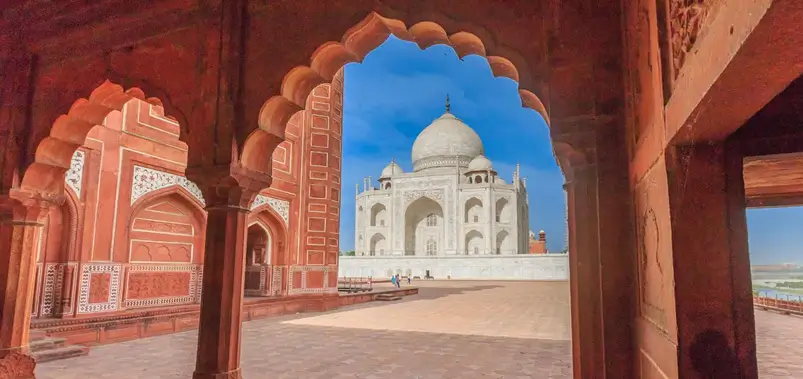
For most international travelers visiting North India, the journey between Delhi and Agra is one of the most important road trips of the entire trip. Whether you are heading to the Taj Mahal, beginning a Golden Triangle Tour, or continuing toward Jaipur, there is a good chance you will travel on the Yamuna Expressway.
Opened to improve connectivity between Delhi and Agra, the expressway transformed travel in the region. Before its construction, journeys could take significantly longer because of traffic congestion, town crossings, and slower road conditions. Today, travelers can cover the distance much more efficiently while enjoying a smoother and more predictable driving experience.
For foreign visitors, however, the expressway can feel unfamiliar. Questions about safety, travel times, speed limits, rest stops, toll payments, food options, and transportation choices are common. Many travelers also wonder whether they should use the expressway at all or choose alternative routes that pass through towns such as Mathura and Vrindavan.
The good news is that the Yamuna Expressway is one of the best road infrastructures in India. Wide lanes, controlled access points, modern facilities, and relatively smooth traffic conditions make it particularly attractive for tourists. Many visitors are surprised by the quality of the road and how comfortable the journey feels compared with their expectations.
At the same time, understanding how the expressway operates helps travelers avoid common mistakes. The road is designed for efficient long distance travel rather than sightseeing. Missing an exit, misunderstanding speed regulations, or failing to plan fuel and food stops can create unnecessary inconvenience.
The expressway also offers a different perspective on India. While traditional routes expose travelers to villages, local markets, and everyday street life, the Yamuna Expressway emphasizes speed, convenience, and modern infrastructure. Neither experience is inherently better; they simply serve different travel styles.
For visitors who value efficiency and comfort, the expressway remains the preferred route between Delhi and Agra. Understanding how it works allows travelers to maximize those advantages while still enjoying opportunities for cultural exploration along the way.
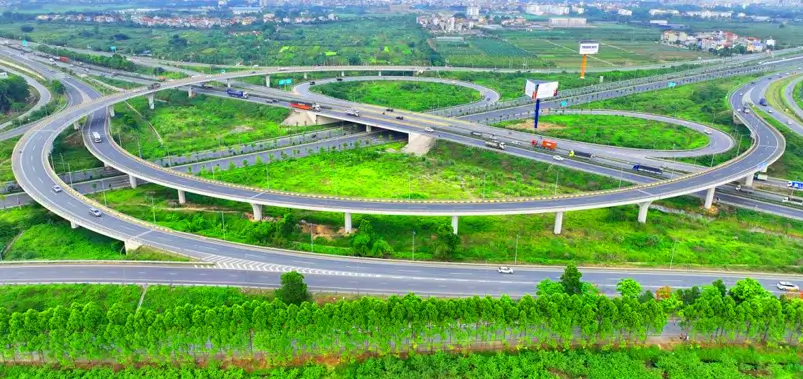
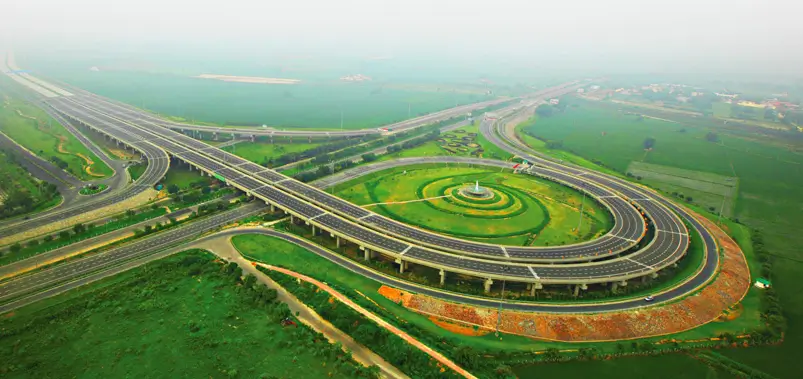
The Yamuna Expressway is a modern access controlled highway connecting the Delhi region with Agra. Stretching for approximately 165 kilometers, it was designed to reduce travel times and improve transportation efficiency between two of North India's most important destinations.
Unlike traditional highways that pass through towns and villages, the expressway operates as a controlled access road. Vehicles enter and exit at designated points, reducing interruptions and allowing traffic to move more smoothly.
One of the first things foreign visitors notice is the road's scale. Multiple lanes, wide shoulders, modern toll plazas, and relatively organized traffic patterns create an environment that feels quite different from many of the roads commonly associated with India.
The expressway serves a variety of users including tourists, business travelers, commercial transport operators, private motorists, and tour companies. Because it connects Delhi with Agra, it plays a particularly important role in tourism.
Most travelers encounter the expressway while visiting the Taj Mahal. Luxury tour operators, private drivers, and transportation companies frequently use it because it allows clients to spend less time in transit and more time sightseeing.
Another advantage is consistency. Traditional routes can be affected by local traffic, market activity, religious processions, and various other factors. The expressway generally provides more predictable travel conditions.
For visitors unfamiliar with Indian road travel, the expressway often provides a comfortable introduction. While still distinctly Indian, the infrastructure feels familiar enough that many international travelers quickly gain confidence.
Understanding the purpose of the expressway helps travelers decide whether it aligns with their priorities. If speed and convenience are important, it is usually the best option available.
One of the biggest reasons travelers choose the Yamuna Expressway is reduced travel time.
Under normal conditions, the journey between Delhi and Agra generally takes between three and four hours. Exact times vary depending on departure location, traffic conditions, weather, and the number of stops made along the way.
Travelers departing from central Delhi typically require additional time to reach the expressway itself. Those staying near the airport or southern parts of the city may access the route more quickly.
Morning departures are often the most efficient. Leaving early helps avoid urban congestion and provides greater flexibility for sightseeing later in the day.
Weekend traffic can occasionally increase travel times, particularly during holiday periods when large numbers of domestic tourists travel toward Agra and surrounding destinations.
One mistake visitors sometimes make is assuming the expressway guarantees a fixed travel time. While conditions are generally predictable, factors such as toll plaza activity, weather conditions, and traffic volumes can still affect the journey.
Travelers planning same day visits to Agra should allow some flexibility rather than scheduling every activity with minute by minute precision.
The encouraging reality is that the expressway remains significantly faster than traditional routes in most situations. This efficiency explains why it has become the preferred choice for so many visitors.
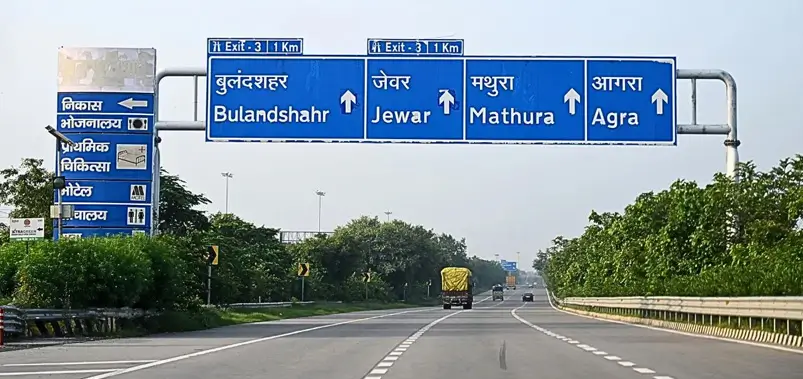
Because the Yamuna Expressway is designed for higher speed travel, understanding road regulations is important.
Speed limits are enforced and should be taken seriously. Authorities monitor traffic conditions, and penalties can apply for violations. Travelers using private drivers should expect professional operators to follow posted regulations rather than attempting to maximize speed.
Foreign visitors sometimes assume that a modern expressway functions identically to highways in their home countries. While the infrastructure is excellent, road conditions and driving environments can still differ. Maintaining realistic expectations contributes to a safer journey.
Seat belts should always be worn, regardless of seating position. This simple precaution significantly improves safety.
Night driving is another topic worth considering. While the expressway remains operational after dark, many tourists prefer daytime travel because it allows better visibility and opportunities to enjoy the surrounding landscape.
Weather can also affect driving conditions. During winter months, fog occasionally reduces visibility. Professional drivers are generally familiar with these challenges and adjust accordingly.
The most important principle is allowing experienced drivers to manage the journey. Tourists who relax and enjoy the ride generally have a far more pleasant experience than those who focus excessively on road conditions.
For the vast majority of visitors, the expressway feels safe, organized, and comfortable when basic travel precautions are followed.
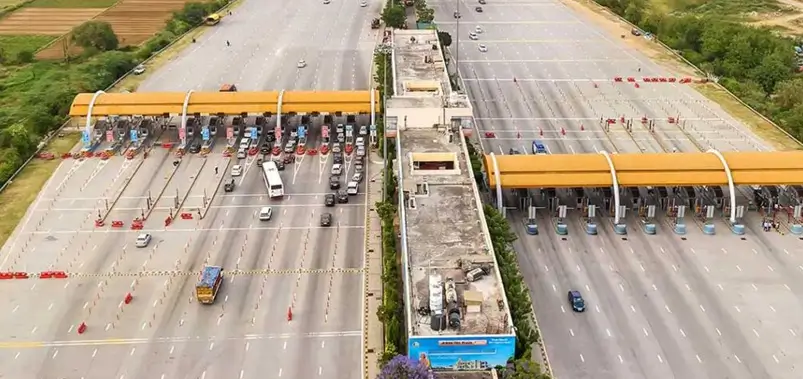
Many foreign visitors are unfamiliar with toll highways in India and wonder how payments work.
The Yamuna Expressway operates as a toll road. Vehicles pay fees based on category and usage. Tourists using private drivers rarely need to think about these details because toll charges are usually handled by the driver or included within transportation arrangements.
Travelers hiring private cars should confirm whether tolls are included in quoted prices. Reputable operators typically clarify this in advance, preventing misunderstandings later.
Self driving visitors will encounter toll plazas where payments are collected. Modern payment methods are increasingly common, although procedures may differ depending on vehicle type and local regulations.
Toll plazas are generally straightforward to navigate, and signs help direct vehicles into appropriate lanes.
The fees contribute to maintenance and operation of the expressway, helping ensure the high standards that travelers experience during the journey.
For most tourists, toll charges represent a relatively small portion of overall transportation costs and are outweighed by the convenience and time savings provided by the road.

One of the biggest concerns for foreign travelers before a long road journey is knowing where they can stop for food, coffee, washrooms, and short breaks. Fortunately, the Yamuna Expressway was designed with long distance travelers in mind, and several organized service areas operate along the route.
Unlike traditional highways where facilities may vary significantly, the major food plazas on the expressway generally provide a predictable experience. Travelers can expect restaurants, coffee outlets, packaged snacks, bottled water, convenience stores, seating areas, and clean washroom facilities.
Many visitors choose to stop approximately halfway between Delhi and Agra. This approach breaks up the journey naturally and provides an opportunity to stretch, refresh, and enjoy a meal before continuing.
The food options typically include:
For travelers unfamiliar with Indian cuisine, the food plazas often provide a comfortable introduction because menus are usually easy to understand and service is designed for a wide range of customers.
Coffee lovers will appreciate the availability of modern café style outlets in several service areas. Many tourists use these locations not only for refreshments but also to recharge phones, use washrooms, and take a break from sitting in the car.
Families particularly benefit from planned stops. Children often need opportunities to move around after long periods of travel, and service plazas provide a safe environment for short breaks.
Although the expressway journey is not exceptionally long, a well timed stop often makes the trip feel more relaxed and enjoyable.
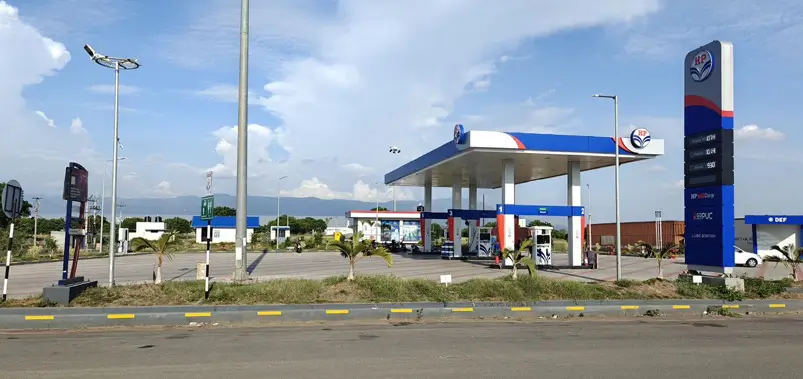
Foreign visitors frequently ask practical questions that local travelers take for granted. Where should fuel be purchased? How reliable are washroom facilities? What happens in case of a vehicle issue?
The Yamuna Expressway is well equipped for long distance travel. Fuel stations are available at strategic points, allowing drivers to refuel without leaving the route. Professional drivers generally plan fuel stops in advance, ensuring that passengers never need to worry about running low on fuel.
Washroom facilities are another area where the expressway performs better than many travelers expect. Major service plazas provide clean and maintained facilities that are considerably more comfortable than those available on many older road networks.
Visitors should still take advantage of opportunities when they arise rather than assuming facilities will appear immediately around every corner. Planning ahead always makes road travel easier.
Mobile phone coverage is generally good throughout most of the route. Travelers can usually access maps, communicate with hotels, and stay connected during the journey.
Another advantage is the presence of emergency response systems. While serious incidents are uncommon, assistance is available should mechanical problems or emergencies occur.
The combination of fuel stations, food plazas, communication coverage, and support services contributes significantly to the popularity of the expressway among tourists and tour operators.
Although the journey is relatively straightforward, several mistakes appear repeatedly among first time visitors.
One common error is assuming that the expressway itself is a sightseeing attraction. While the road offers comfortable travel, most cultural and historical attractions require leaving the expressway and exploring nearby destinations such as Mathura or Vrindavan.
Another mistake is skipping food and washroom breaks. Travelers sometimes become so focused on reaching Agra quickly that they overlook opportunities to rest. A short stop often improves comfort significantly.
Some visitors underestimate travel time between their hotel and the expressway entrance. The road itself may be fast, but urban traffic in Delhi can still affect departure schedules.
Travelers occasionally book same day Taj Mahal visits with extremely tight timelines. While the expressway improves efficiency, unexpected delays can still occur. Allowing a comfortable time buffer reduces stress.
Another mistake involves not carrying essentials such as water, sunscreen, sunglasses, phone chargers, and travel documents within easy reach. Small conveniences can make a noticeable difference during the journey.
Visitors also sometimes expect the entire route to resemble city driving. The expressway is designed for continuous travel, so scenery changes gradually and services appear at intervals rather than constantly.
Understanding these common issues helps ensure a smoother and more enjoyable road trip.
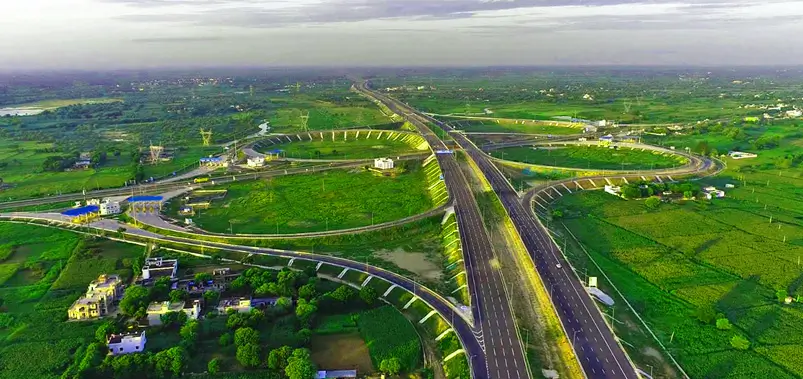
This question depends entirely on what type of traveler you are.
If your primary goal is reaching Agra efficiently, the Yamuna Expressway is unquestionably superior. Travel times are shorter, road conditions are better, and the overall experience is generally more comfortable.
Business travelers, luxury tourists, families, and visitors with limited time usually prefer the expressway because it maximizes sightseeing opportunities at the destination.
However, the older route offers experiences that the expressway cannot.
Traditional roads pass through towns, local markets, villages, agricultural areas, and cultural destinations. Travelers interested in everyday life, roadside photography, local food, and spontaneous discoveries may appreciate these opportunities.
The old route also provides easier access to certain attractions without requiring additional navigation.
Many experienced travelers solve this dilemma by combining both approaches. They use the expressway for efficiency while exiting strategically to visit specific destinations before continuing toward Agra.
Neither option is universally better. The best route depends on whether speed or exploration is the higher priority.
Transportation choices influence the overall quality of the journey significantly.
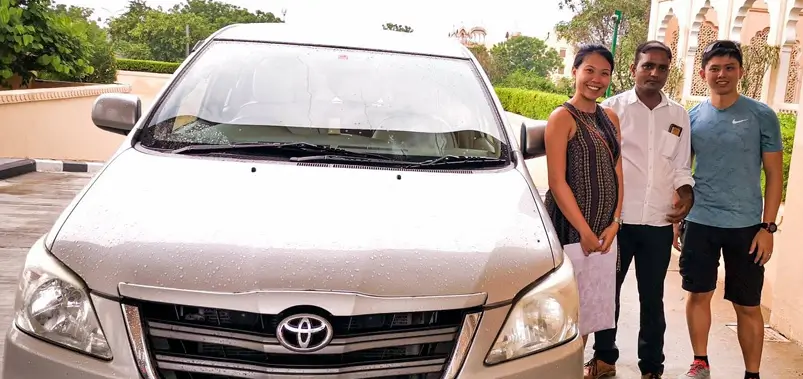
For most foreign visitors, a private driver is the preferred option. Professional drivers understand the route, handle toll payments, manage navigation, and provide flexibility for sightseeing stops. Travelers can focus entirely on enjoying the experience rather than dealing with logistics.
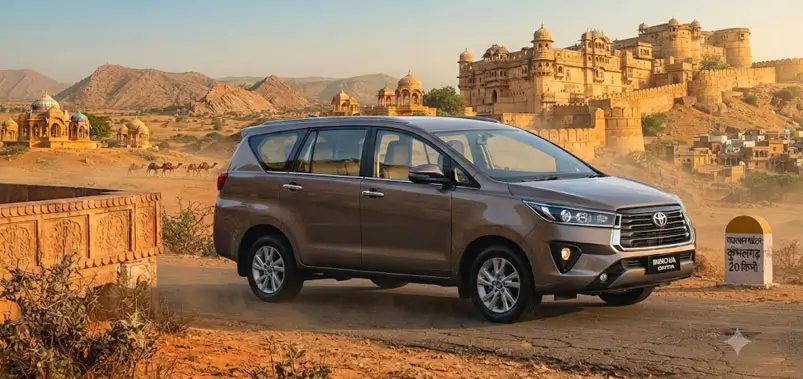
Private drivers are especially valuable for Golden Triangle itineraries because they can coordinate visits to attractions along the route and adjust schedules according to traveler interests.
Taxi services are another option. They work well for direct transfers between Delhi and Agra but may offer less flexibility than dedicated private drivers. Travelers planning multiple stops often find private transportation more practical.
Self-driving appeals to some visitors who enjoy independence and road trips. The expressway itself is relatively easy to navigate, but driving in and around major Indian cities can be unfamiliar for travelers from other countries.
Parking, tolls, local driving habits, and navigation all require additional attention when driving independently.
For first time visitors to India, private drivers generally provide the best combination of convenience, comfort, flexibility, and peace of mind.
One advantage of the expressway is that it provides access to several excellent destinations.
Mathura remains the most popular stop because of its connection to Lord Krishna and its importance as a pilgrimage destination. Temples, cultural traditions, and local food make it particularly rewarding.
Vrindavan attracts spiritual travelers and visitors interested in religious architecture. Prem Mandir and other temples provide memorable experiences for both pilgrims and tourists.
Keoladeo National Park near Bharatpur appeals to nature lovers, photographers, and birdwatchers. It offers a refreshing contrast to urban sightseeing.
Agra itself obviously remains the primary destination. Beyond the Taj Mahal, travelers can explore Agra Fort, Mehtab Bagh, local markets, and numerous historical sites.
Travelers continuing toward Jaipur often discover additional attractions after leaving Agra, making the expressway part of a larger journey rather than a standalone experience.
The route therefore functions not only as transportation infrastructure but also as a gateway to some of North India's most important destinations.
The overall cost of a Delhi–Agra expressway journey depends on transportation style.
Budget travelers using public transportation spend considerably less but sacrifice flexibility.
Private vehicle arrangements vary depending on vehicle category, duration, and included services. Sedans, SUVs, and luxury vehicles all have different pricing structures.
Typical costs may include:
Travelers who combine transportation with sightseeing generally spend more than those making direct transfers, but they also gain significantly richer experiences.
For many international visitors, the value of a comfortable and efficient journey justifies the additional expense.

We promise you a holiday where everything is taken care of from the moment you land. Trusted drivers waiting for you, handpicked hotels that fit your style, personalized itineraries designed just for your family, and a dedicated team on call 24/7. All you need to do is relax, explore, and create unforgettable memories, while we take care of every detail behind the scenes.
Because it combines speed, comfort, safety, and reliability. The expressway allows travelers to spend less time commuting and more time enjoying destinations such as Agra, Mathura, and the Taj Mahal.
Early morning departures are generally recommended because they reduce urban traffic delays and provide more time for sightseeing in Agra.
Yes. Many tourists complete same-day trips successfully. Early departures and efficient planning are important for maximizing sightseeing time.
It depends on priorities. Trains can be efficient, but road travel provides flexibility and allows visitors to stop at attractions along the route.
Yes. Service plazas offer a variety of cuisines, including familiar international-style options alongside Indian food. Most travelers have no difficulty finding suitable meals.
Experienced drivers may enjoy the flexibility of self-drive travel, but most international visitors find private drivers more convenient and less stressful.
Absolutely. Many travelers exit the expressway to visit Mathura and then rejoin the route before continuing to Agra.
Yes. Major service plazas provide washroom facilities, food options, and rest areas. Travelers should still plan breaks sensibly rather than waiting until the last moment.
Most journeys require approximately three to four hours under normal conditions. Exact times depend on departure location, traffic, weather, and the number of stops made.
Yes. It is one of India's most modern highways and is widely used by tourists, business travelers, and professional tour operators. Following normal travel precautions and using experienced drivers generally results in a comfortable journey.