One of the most common questions international travelers ask before visiting India is simple: Is Delhi safe for foreign tourists?
The question is understandable. Delhi is one of the largest cities in the world, home to millions of residents, busy transportation systems, crowded markets, historical monuments, luxury hotels, diplomatic districts, and modern commercial centers. News reports, online forums, travel blogs, and social media often present conflicting information, leaving many first time visitors unsure what to expect.
The reality is far more balanced than many people imagine.
Every year, millions of international travelers visit Delhi successfully and enjoy memorable experiences exploring the city's history, architecture, food, culture, and heritage. The vast majority complete their journeys without experiencing serious safety problems. However, like any major global city, Delhi requires visitors to understand local conditions, remain aware of their surroundings, and follow practical travel precautions.
One reason Delhi sometimes feels intimidating is its scale. The city is enormous, and different neighborhoods can offer completely different experiences. Luxury districts, heritage zones, crowded markets, business centers, residential areas, and tourist attractions all coexist within the same metropolitan area.
For many travelers, the greatest challenge is not personal safety but adapting to a new environment. Crowds, traffic, unfamiliar transportation systems, persistent street vendors, and cultural differences can create discomfort if visitors arrive without preparation. Understanding these factors beforehand often makes the city feel far more manageable.
It is also important to distinguish between genuine safety concerns and situations that are merely unfamiliar. Many first time visitors interpret cultural differences as signs of danger when they are simply encountering a different way of life. Learning how the city operates helps travelers navigate it with confidence.
The good news is that most common issues affecting tourists are predictable and avoidable. Transportation scams, overcharging attempts, aggressive sales tactics, and navigation challenges are far more likely than serious criminal incidents. Visitors who understand these situations generally handle them without difficulty.
Whether you are a solo traveler, a couple, a family, a senior traveler, or someone visiting India for the first time, this guide will help you understand what to expect and how to explore Delhi safely and confidently.
Many travelers arrive in Delhi expecting either complete chaos or significant danger because of stories they have read online. In reality, the city is much more nuanced.
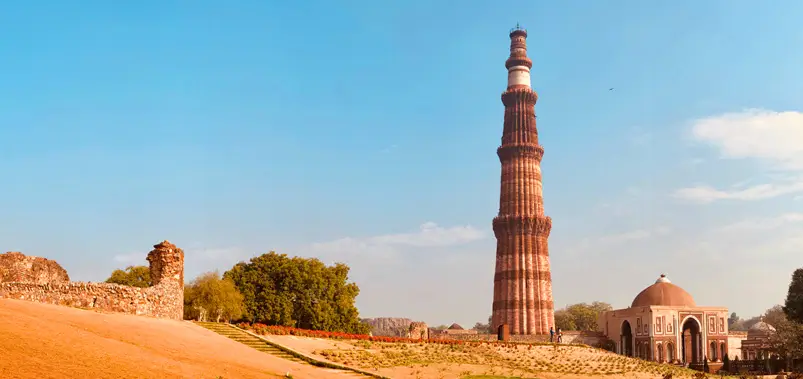
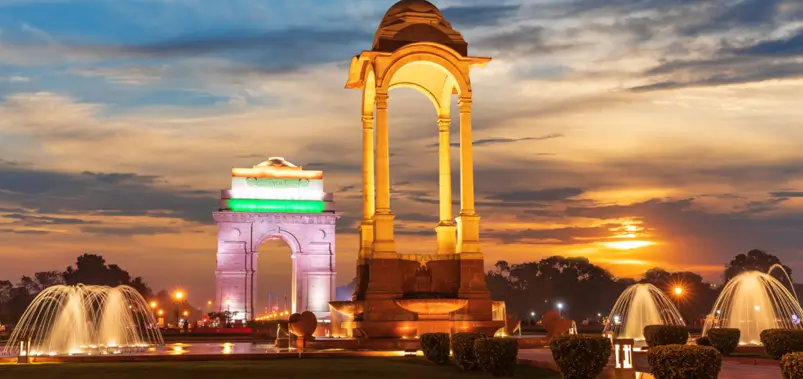
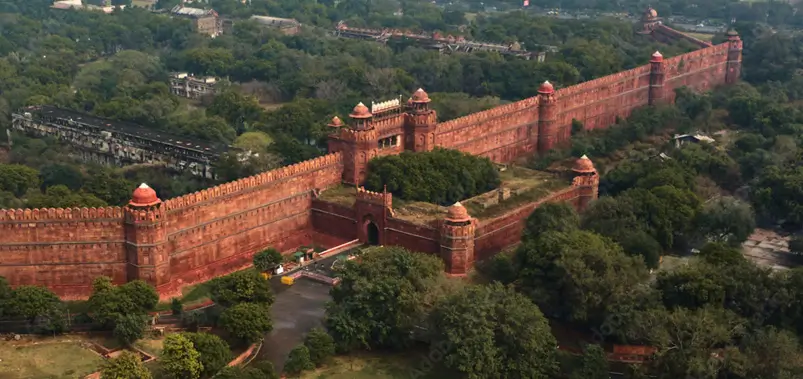
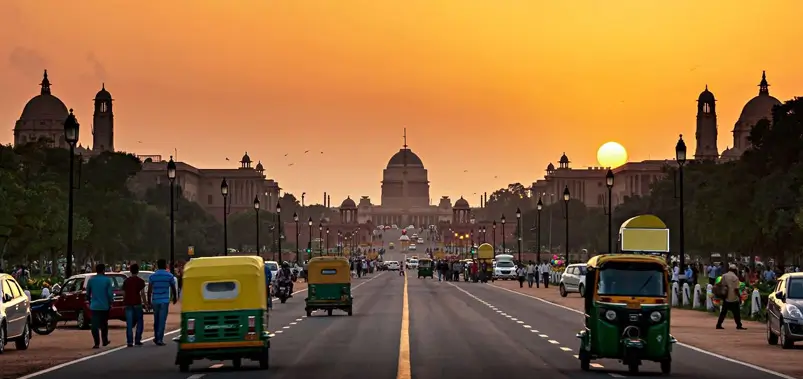
Most tourists spend their time in areas specifically designed to accommodate visitors. Locations such as Connaught Place, India Gate, Khan Market, Lodhi Garden, Aerocity, Chanakyapuri, Qutub Minar, Humayun's Tomb, Red Fort, Jama Masjid, and major shopping districts receive large numbers of domestic and international visitors every day.
These areas are generally busy, well-patrolled, and accustomed to tourism. Hotels, restaurants, transportation providers, and attraction staff regularly interact with foreign guests, making navigation easier than many travelers expect.
The most common challenges involve attention rather than danger. Visitors may receive requests for photographs, encounter persistent vendors, or attract curiosity simply because they are foreign tourists. While this can occasionally feel uncomfortable, it is usually harmless.
Crowds are another factor that surprises many travelers. Areas such as Chandni Chowk and parts of Old Delhi can be extremely busy, especially during weekends, holidays, and festivals. For some visitors, the density of activity feels overwhelming initially, but most adapt quickly.
Petty issues such as overcharging, misleading directions, or transportation scams occur more frequently than serious crime. Understanding these situations beforehand significantly reduces the likelihood of problems.
It is also worth noting that Delhi's reputation is often shaped by incidents that receive extensive media coverage. While such events deserve attention, they do not necessarily reflect the everyday experience of millions of residents and visitors who move around the city safely.
Travelers who use common sense, stay aware of their surroundings, and follow practical safety advice generally find Delhi far less intimidating than they expected.

Choosing the right neighborhood has a major impact on comfort, convenience, and overall travel experience. Fortunately, Delhi offers several areas that are particularly well suited to international visitors.
Aerocity has become one of the most popular choices for foreign travelers. Located near the airport, it offers modern hotels, international restaurants, excellent infrastructure, and convenient transportation links. Many visitors appreciate the organized environment and easy access to metro services.
Connaught Place is another highly recommended area. Located in central Delhi, it provides access to shopping, dining, historical attractions, and transportation connections. Visitors staying here often find it easy to explore different parts of the city.
Chanakyapuri, the diplomatic district, is known for wide roads, embassies, luxury hotels, and a relatively calm atmosphere. Travelers seeking a quieter environment frequently choose this area.
Khan Market and nearby neighborhoods appeal to visitors interested in boutique shopping, upscale dining, and a more relaxed urban atmosphere. These areas combine convenience with a strong sense of security.
South Delhi districts near major attractions such as Qutub Minar and Hauz Khas also attract many international visitors. These neighborhoods often offer a balance of local character and modern amenities.
For first time visitors, staying in one of these established tourist friendly areas simplifies transportation, reduces stress, and provides easier access to services should assistance be needed.
Location affects not only safety but also overall travel enjoyment. Choosing accommodations in a well-connected area often eliminates many of the logistical challenges that concern first time travelers.
While Delhi is generally safe, visitors should understand several common scams that target tourists. Awareness is usually sufficient to avoid problems.
One of the most frequent situations involves taxi or auto rickshaw drivers claiming that a hotel is closed, fully booked, or inaccessible. The goal is often to redirect travelers to a different property where commissions can be earned. Visitors should verify accommodation information directly with their hotel rather than relying on unsolicited advice.
Another common scenario involves individuals claiming that major attractions are closed due to holidays, government functions, or maintenance. Tourists are then encouraged to visit alternative locations or shops. Confirming information through official sources prevents this issue.
Shopping scams occasionally occur in markets and tourist districts. Visitors may encounter exaggerated claims regarding gemstones, antiques, carpets, handicrafts, or luxury goods. Purchasing expensive items only from reputable businesses reduces risk significantly.
Unofficial tour guides can also present challenges. Some individuals approach tourists near attractions offering guidance, transportation, or special access. While many are genuine, visitors should verify credentials before accepting services.
Overcharging is another issue travelers may encounter. Agreeing on transportation prices in advance, using ride hailing applications when possible, and confirming costs before making purchases helps prevent misunderstandings.
The most effective defense against scams is confidence. Travelers who appear informed, avoid making rushed decisions, and verify information independently are rarely targeted successfully.
Most scams rely on confusion, urgency, or misinformation. Removing those elements usually eliminates the problem entirely.
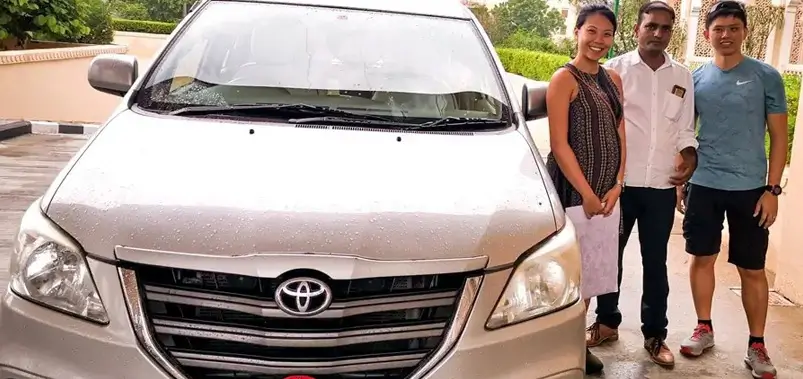
Transportation safety is one of the topics that concerns visitors most. Fortunately, Delhi offers multiple transportation options, each with its own advantages.
Ride hailing services such as Uber generally provide one of the most convenient options for tourists. Digital booking, route tracking, fare transparency, and electronic payments reduce many traditional transportation concerns.
The Delhi Metro is widely regarded as one of the safest and most efficient ways to move around the city. Security screening, surveillance systems, clear signage, and extensive coverage make it particularly attractive for visitors.
Traditional taxis remain useful but should ideally be booked through hotels, reputable operators, or official stands. Random street pickups are generally less predictable.
Auto rickshaws can be enjoyable for short journeys, especially in areas such as Old Delhi. However, agreeing on a fare beforehand or ensuring the meter is used helps avoid pricing disputes.
Visitors should also pay attention to basic precautions such as verifying vehicle details, sharing trip information when appropriate, and avoiding distractions during travel.
Most transportation related issues involve pricing rather than safety. Understanding typical costs and using established services significantly reduces risk.
One of the most searched travel questions online is whether Delhi is safe for solo female travelers. The honest answer is that thousands of women visit Delhi independently every year and have positive experiences, but preparation and awareness remain important.
The first thing to understand is that Delhi is a huge city with many different environments. A luxury hotel district in South Delhi feels very different from a crowded market in Old Delhi. Understanding these differences helps travelers make informed decisions rather than relying on general assumptions.
Most solo female travelers find that staying in reputable hotels, using trusted transportation services, and planning activities during daytime hours contributes significantly to comfort and confidence. Areas such as Connaught Place, Aerocity, Khan Market, Lodhi Colony, and Chanakyapuri are popular because they are well-connected, familiar with international visitors, and generally comfortable to navigate.
Transportation choices matter as well. The Delhi Metro is widely used by women and includes dedicated women's coaches on many trains. Ride hailing services such as Uber provide additional convenience because journeys are digitally tracked and fares are transparent.
Dress is another topic frequently discussed. There is no requirement for foreign women to dress like local residents, but modest and practical clothing often attracts less attention and feels more comfortable in crowded public areas.
Confidence plays an important role. Visitors who appear comfortable, know where they are going, and avoid displaying confusion are generally less likely to attract unwanted attention. Learning basic navigation before leaving the hotel can be surprisingly helpful.
Most importantly, travelers should not allow fear to prevent them from experiencing Delhi. The city contains extraordinary architecture, museums, markets, gardens, and cultural experiences that many solo female travelers consider highlights of their time in India.
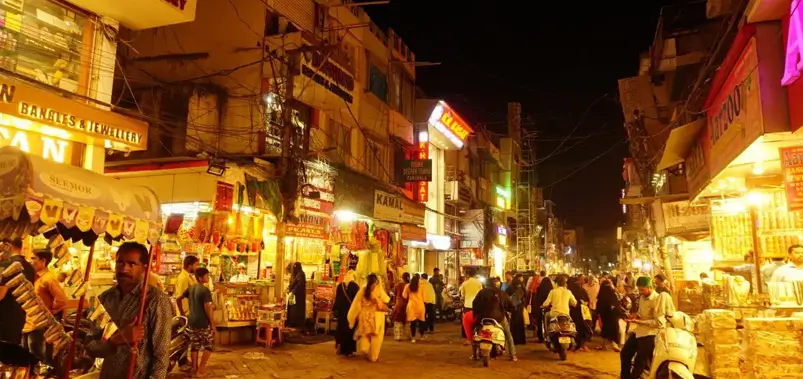
Nighttime safety is another area where perception and reality are sometimes very different.
Many parts of Delhi remain active well into the evening. Restaurants, hotels, shopping districts, and entertainment areas continue operating after dark, and visitors frequently move around the city without difficulty.
However, nighttime travel does require slightly more caution than daytime exploration. Areas that feel comfortable during busy daytime hours may become quieter later in the evening. Understanding where you are and how you plan to return to your accommodation becomes more important after sunset.
For tourists, locations such as Connaught Place, Aerocity, Khan Market, and major hotel districts generally remain active and comfortable during evening hours. Restaurants, cafes, and commercial establishments create a sense of activity that many visitors appreciate.
Using ride hailing services rather than searching for transportation on the street is usually the most practical option at night. Travelers should verify vehicle details before entering and ensure that trip information matches the booking.
Old Delhi presents a slightly different situation. While the area remains busy during evenings, many visitors prefer exploring heritage attractions and markets during daylight hours. Returning before very late evening is often more comfortable for first time travelers.
Visitors staying out late should keep phones charged, know the address of their accommodation, and have a transportation plan before leaving. These simple steps eliminate many common travel concerns.
The reality is that most tourists spend their evenings enjoying restaurants, cultural performances, hotel facilities, or organized sightseeing rather than wandering unfamiliar neighborhoods. With sensible planning, nighttime activities in Delhi can be enjoyable and safe.
One of the smartest things travelers can do before exploring Delhi is save a few important emergency contacts.
The national emergency response number in India is:
112 – Emergency Services
This number can be used for police, fire, and emergency assistance.
Other useful numbers include:
100 – Police
101 – Fire Services
102 / 108 – Ambulance Services
Many visitors never need these numbers, but having them saved provides peace of mind.
Travelers should also save:
Modern smartphones make it easy to store this information in advance. Visitors should also consider carrying a written copy of important contact details in case a phone battery becomes depleted.
Knowing where to seek help often reduces anxiety more effectively than any other safety measure.

Medical concerns are another common source of travel anxiety. Fortunately, Delhi has numerous internationally recognized hospitals and medical facilities.
Major private hospitals provide high quality care and are accustomed to treating international patients. Many have dedicated international patient departments, English speaking staff, and experience dealing with travel insurance providers.
Among the well-known hospitals frequently used by international visitors are:
Travelers with pre-existing medical conditions should carry copies of prescriptions, medication details, and relevant medical information. Travel insurance that includes medical coverage is strongly recommended.
Minor health issues such as stomach discomfort, dehydration, or fatigue are more common than serious medical emergencies. Drinking adequate water, avoiding exhaustion, and allowing time to adjust to local conditions often prevents many problems.
Most visitors never require hospital care, but knowing that quality medical facilities are available can provide reassurance.
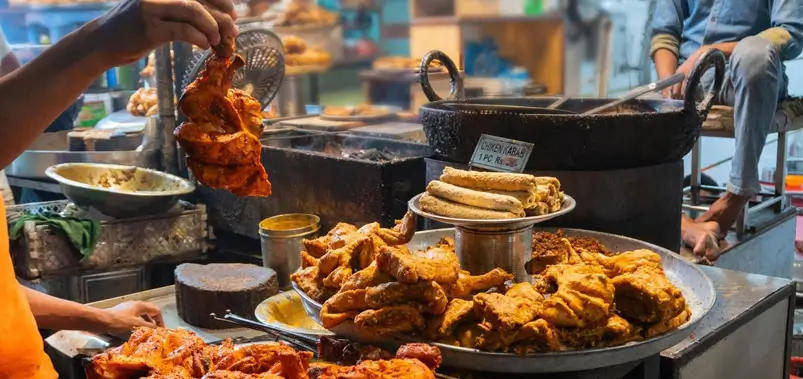
For many travelers, food and water concerns generate more anxiety than crime or transportation.
The simplest rule is to drink bottled water from sealed containers. Visitors should verify that the seal is intact before consumption. Many hotels also provide filtered drinking water.
Food safety is generally best approached through common sense. Busy restaurants and food vendors with high customer turnover are usually safer choices because food is prepared frequently and ingredients move quickly.
Freshly cooked food is often preferable to dishes that have been sitting for long periods. Travelers new to Indian cuisine may also wish to introduce spicy foods gradually rather than immediately choosing the hottest options available.
Hand sanitizer can be useful when moving between markets, attractions, and food stops. Basic hygiene practices reduce the likelihood of minor stomach issues.
Many visitors enjoy Delhi's food scene without experiencing any health problems. The goal is not avoiding local cuisine but approaching it sensibly.
Food tours, reputable restaurants, and established vendors often provide excellent introductions to Delhi's culinary traditions while minimizing unnecessary risks.
It is important to clarify that Delhi does not have large "no-go zones" for tourists in the way some travelers imagine. However, certain situations require more awareness than others.
Remote areas with little tourist activity may feel uncomfortable simply because visitors are unfamiliar with them. Travelers generally have little reason to visit such neighborhoods unless accompanied by local contacts.
Crowded transportation hubs can also require extra attention to personal belongings because of the large number of people moving through them.
Markets such as Chandni Chowk are generally safe but extremely busy. Visitors should remain aware of wallets, phones, cameras, and bags while navigating crowded streets.
Late night exploration of unfamiliar neighborhoods is usually unnecessary. Most attractions, restaurants, and cultural experiences can be enjoyed comfortably during daylight hours or early evenings.
The key principle is not fear but awareness. Visitors who know where they are going and why they are there rarely encounter significant difficulties.
Losing a passport is one of the situations travelers fear most, but it is manageable if handled correctly.
The first step is remaining calm. Panic often makes the situation feel worse than it actually is.
Visitors should immediately check hotels, transportation providers, bags, and recent locations. Many lost items are recovered quickly once travelers retrace their steps carefully.
If the passport cannot be located, a police report should be filed. This report is often required by embassies and consulates during replacement procedures.
The next step is contacting your embassy or consulate. Most diplomatic missions have established procedures for assisting citizens who lose passports abroad.
Keeping digital copies of passports, visas, travel insurance documents, and identification can significantly simplify the replacement process. Many experienced travelers store copies securely online before departure.
Travel insurance may also provide assistance, particularly if replacement documents affect travel plans.
Although losing a passport is inconvenient, embassies handle such situations regularly. Following official procedures systematically usually resolves the issue.
.webp)
Families and senior travelers often have different concerns than younger independent tourists.
For families, transportation convenience, medical access, and accommodation quality are usually priorities. Delhi's major tourist districts generally provide excellent infrastructure in these areas.
Children often enjoy attractions such as the Red Fort, Qutub Minar, India Gate, Akshardham Temple, Lodhi Garden, and cultural performances. Planning regular breaks and avoiding excessive heat improves the experience significantly.
Senior travelers frequently appreciate private transportation, guided tours, and centrally located accommodations. These services reduce physical strain and simplify logistics.
Many luxury tour operators specialize in senior friendly travel and can arrange slower paced itineraries, accessible transportation, and comfortable sightseeing schedules.
The key for both families and seniors is pacing. Delhi offers an enormous amount to see, but attempting too much in a single day often reduces enjoyment.
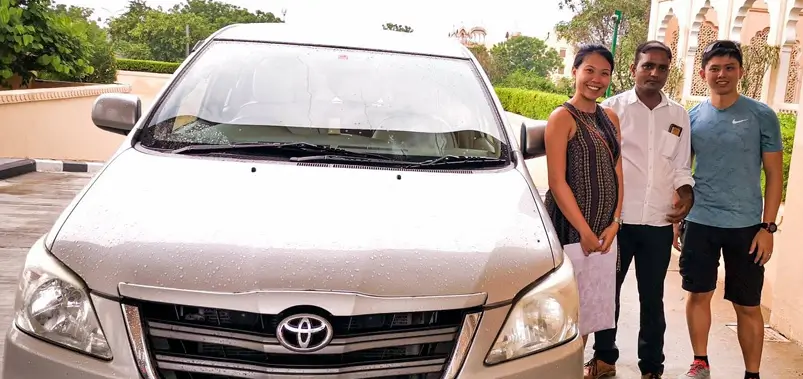
We promise you a holiday where everything is taken care of from the moment you land. Trusted drivers waiting for you, handpicked hotels that fit your style, personalized itineraries designed just for your family, and a dedicated team on call 24/7. All you need to do is relax, explore, and create unforgettable memories, while we take care of every detail behind the scenes.
For most travelers, no. Delhi is one of the most historically significant and culturally fascinating cities in Asia. Visitors who prepare sensibly and follow practical travel advice generally enjoy rewarding and memorable experiences.
Yes. Many seniors visit Delhi comfortably every year, particularly when using private transportation, quality accommodations, and well-planned itineraries.
Call 112 for emergency assistance, contact your hotel, and seek help from local authorities if necessary. Saving important contact information before arrival is strongly recommended.
Yes. Major international and luxury hotels maintain high security standards and are accustomed to hosting international guests, diplomats, and business travelers.
Most travelers choose bottled water or filtered water during their visit. Using sealed bottles is a simple precaution that helps avoid unnecessary health concerns.
No. Old Delhi is one of the most rewarding parts of the city. It is busy and energetic, but millions of visitors explore it every year. Basic awareness and sensible planning are usually sufficient.
The Delhi Metro is widely regarded as one of the safest transportation options in the city. Security screening, dedicated staff, surveillance systems, and women's coaches contribute to its strong reputation.
Yes. Thousands of solo female travelers visit Delhi successfully every year. Choosing reputable accommodations, using trusted transportation, and following normal travel precautions generally contributes to positive experiences.
For most visitors, minor scams, overcharging, and transportation misunderstandings are more common than serious criminal incidents. Understanding common tourist situations usually prevents problems.
Yes. Many visitors arrive expecting a much more difficult environment than they actually encounter. While awareness and preparation are important, most tourists discover that Delhi is easier to navigate and more welcoming than anticipated.