For many travelers, Delhi is the first stop on an Indian adventure. The city serves as a gateway to the famous Golden Triangle Tour, introducing visitors to India's history, architecture, food, culture, and daily life. Yet Delhi is also a city that can feel overwhelming during the first few days, particularly for travelers arriving from countries where urban environments operate very differently.
The capital is fascinating, energetic, chaotic, historic, modern, welcoming, and occasionally confusing—all at the same time. Millions of visitors arrive every year and enjoy unforgettable experiences, but many first time travelers make avoidable mistakes that create unnecessary stress, wasted time, and disappointment.
Most of these mistakes do not involve major problems. Instead, they are small decisions that affect the overall quality of the trip. Choosing the wrong accommodation area, underestimating travel times, carrying too much cash, falling for common tourist traps, or trying to fit too much sightseeing into a single day can all reduce the enjoyment of visiting the city.
The good news is that Delhi becomes much easier to navigate once travelers understand a few basic realities. Knowing what to avoid allows visitors to spend less time solving problems and more time enjoying the city's remarkable attractions.
Many experienced travelers who initially found Delhi challenging later describe it as one of their favorite cities in India. The difference often comes down to preparation and realistic expectations. Understanding common mistakes before arrival helps travelers approach the city with confidence and enjoy a smoother, more rewarding experience.
Whether Delhi is your primary destination or simply the starting point of a larger India itinerary, avoiding the mistakes discussed below can significantly improve your trip and help you appreciate the city for everything it has to offer.
One of the most common mistakes travelers make is assuming Delhi can be fully explored in a single day.
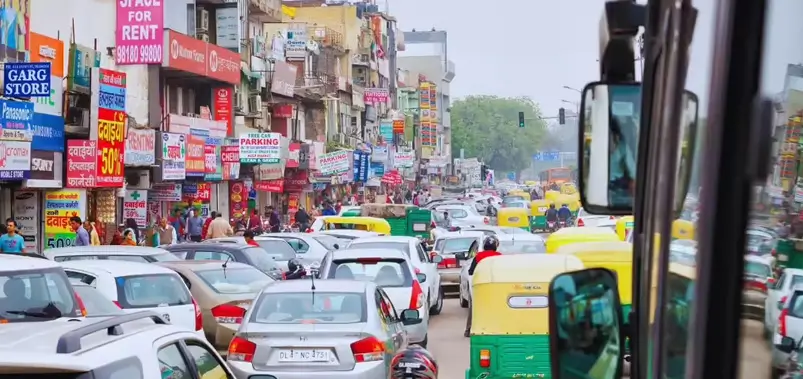
This misunderstanding usually comes from looking at a map and noticing that major attractions appear relatively close together. In reality, Delhi is enormous. The metropolitan region covers a vast area, and travel times between attractions can be longer than visitors expect.
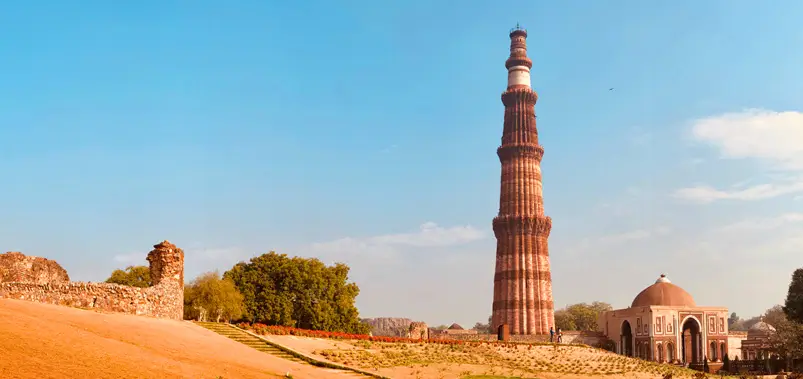
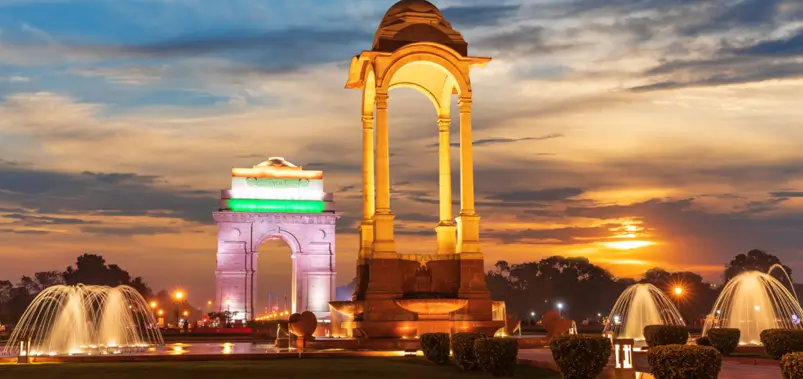
A traveler attempting to visit Qutub Minar, Humayun's Tomb, India Gate, Lotus Temple, Akshardham Temple, Jama Masjid, Red Fort, and Chandni Chowk in a single day often ends up spending more time in traffic than actually enjoying the attractions.
Delhi rewards a slower pace.
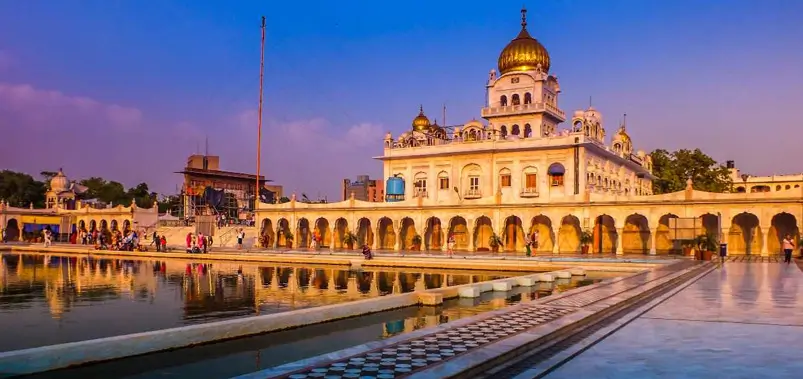
Many of its most memorable experiences occur when travelers spend time exploring neighborhoods rather than rushing from one monument to another. Walking through Old Delhi, enjoying a meal in a historic restaurant, visiting a local market, or simply sitting beside the Sarovar at Gurudwara Bangla Sahib can be just as rewarding as checking another attraction off a list.
Another issue with overloading itineraries is fatigue. International visitors often arrive after long flights and underestimate how tiring sightseeing can become, particularly during warmer months.
The most enjoyable Delhi itineraries typically focus on a manageable number of attractions each day. This approach allows travelers to appreciate each location properly and remain flexible if unexpected opportunities arise.
Rather than asking how many places can be visited in a day, travelers often benefit more from asking how deeply they want to experience each destination.
Delhi is not a city that rewards speed.
It rewards curiosity and patience.
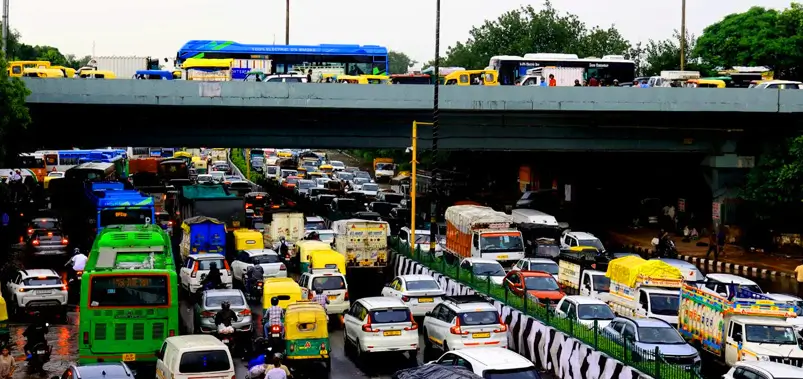
Another mistake that affects many first time visitors is failing to account for Delhi's traffic conditions.
People often calculate travel times based on distance alone. A route that appears short on a map may take considerably longer during peak traffic periods.
Morning and evening rush hours can significantly affect transportation schedules. Travelers who schedule attractions too closely together sometimes arrive late or feel rushed throughout the day.
This issue becomes particularly important when catching flights, trains, or long distance transfers.
Visitors planning a same day journey from Delhi to Agra, for example, often forget that reaching the highway may require navigating city traffic first. The same applies to airport transfers.
Professional drivers and experienced local guides generally understand these patterns and plan accordingly. Independent travelers should allow generous time buffers whenever transportation is involved.
Traffic also influences sightseeing strategy.
Grouping attractions by area rather than crossing the city repeatedly often results in a much more efficient and enjoyable itinerary.
The reality is that traffic is simply part of life in a major global city. Accepting this fact and planning realistically helps reduce frustration.
Travelers who build flexibility into their schedules generally enjoy Delhi far more than those attempting to maintain rigid timelines.
.webp)
Accommodation location has a major impact on the overall travel experience.
Many visitors book hotels based solely on price without considering how the surrounding area matches their interests and expectations.
For example, a traveler seeking comfort, modern amenities, and convenient transportation may not enjoy staying in a densely crowded market district. Conversely, someone hoping for immersive cultural experiences may find certain modern neighborhoods lacking character.
New Delhi and Old Delhi offer dramatically different environments.
New Delhi generally provides wider roads, larger hotels, easier transportation, and more predictable infrastructure. Old Delhi offers history, atmosphere, markets, and cultural immersion.
Neither option is inherently better.
The key is choosing accommodation that aligns with personal travel preferences.
Airport proximity is another consideration.
Some travelers select airport hotels because of convenience but later discover that reaching major attractions requires significant travel time.
Others stay far from the airport without considering transportation requirements for departure day.
Researching neighborhoods before booking often prevents disappointment and contributes significantly to overall trip satisfaction.
A well-chosen hotel location can simplify transportation, reduce stress, and improve access to the experiences that matter most to each traveler.
Delhi is a cosmopolitan city that welcomes visitors from around the world. Nevertheless, basic cultural awareness remains important.
Many travelers unintentionally create awkward situations simply because they are unfamiliar with local customs.
Religious sites provide a common example.
Locations such as Gurudwara Bangla Sahib, Jama Masjid, temples, and other places of worship often have specific expectations regarding dress, footwear, photography, and behavior.
Visitors who arrive prepared usually enjoy smoother experiences and demonstrate respect for local traditions.
Photography etiquette also deserves attention.
While Delhi offers countless interesting photographic subjects, not everyone wishes to be photographed. Asking permission when appropriate often leads to more positive interactions.
Public displays of frustration can sometimes create unnecessary tension as well. Patience is valuable in any travel destination, but particularly in large cities where daily life operates at a different pace than visitors may expect.
Learning a few basic cultural norms before arrival helps travelers navigate situations more comfortably and fosters more meaningful connections with local people.
Respect tends to be appreciated everywhere, and Delhi is no exception.
Many travel articles focus heavily on scams and tourist traps.
While awareness is important, some visitors become so cautious that they assume every interaction is suspicious.
This can diminish the travel experience.
The vast majority of people travelers encounter in Delhi are simply going about their daily lives. Shopkeepers want customers. Drivers want passengers. Restaurant staff want to provide service. Residents are often curious about visitors from other countries.
Of course, common sense remains important.
Travelers should exercise caution when approached with unsolicited offers, particularly those involving money, transportation, or shopping. However, excessive suspicion can prevent genuine cultural interactions.
Some of the most memorable travel experiences come from conversations with local residents, recommendations from restaurant staff, or assistance from people encountered unexpectedly during the trip.
The goal is balance.
Remain aware, but stay open to positive interactions.
Delhi can be an incredibly welcoming city when approached with curiosity and reasonable caution.

Many visitors underestimate the physical demands of exploring Delhi.
Sightseeing often involves extensive walking, exposure to heat, and long days outdoors. Travelers who are not accustomed to the climate can become dehydrated surprisingly quickly.
Fatigue, headaches, and reduced energy levels frequently result from inadequate hydration rather than illness.
Carrying bottled water throughout the day is one of the simplest ways to improve comfort while sightseeing.
Hydration becomes especially important when exploring outdoor attractions such as Qutub Minar, Humayun's Tomb, Lodhi Gardens, and various heritage districts.
Visitors should also remember that excitement sometimes leads people to ignore basic physical needs. When focused on sightseeing, travelers occasionally forget to rest, drink water, or eat regularly.
Maintaining good hydration contributes significantly to overall travel enjoyment.
A small amount of preparation can prevent unnecessary discomfort and help visitors make the most of their time in the city.
.webp)
Shopping is one of Delhi's great pleasures, but many tourists make purchases before understanding local pricing.
This issue occurs most frequently in traditional markets where bargaining is common.
Visitors sometimes accept the first quoted price simply because they feel uncomfortable negotiating. Others purchase items immediately without comparing prices at nearby shops.
A little research goes a long way.
Understanding approximate price ranges for souvenirs, handicrafts, textiles, transportation, and other common purchases helps travelers make informed decisions.
The objective is not necessarily obtaining the absolute lowest price. Rather, it is developing enough awareness to recognize reasonable value.
Markets such as Janpath, Chandni Chowk, and Sarojini Nagar often involve some level of negotiation, while locations such as Khan Market generally operate with fixed pricing.
Knowing the difference prevents confusion and contributes to a more enjoyable shopping experience.
Delhi offers exceptional opportunities for purchasing handicrafts, textiles, jewelry, spices, and artisan products.
Approaching shopping thoughtfully helps travelers enjoy these opportunities without unnecessary frustration.
One of the biggest concerns for first time visitors to Delhi is the possibility of encountering scams. The reality is that most travelers complete their trip without major issues, but certain tourist oriented scams have existed for years and continue to affect unprepared visitors.
A common example involves unofficial guides approaching travelers near major attractions. These individuals may claim that a monument is closed, partially inaccessible, or unavailable due to a special event. They then suggest an alternative attraction, shop, or tour service that benefits them financially.
Another frequent situation occurs around transportation. A driver may insist that your hotel is closed, fully booked, or located in an inaccessible area and then recommend a different property. In most cases, travelers should verify such claims independently before making any changes.
Shopping commissions can also create confusion. Some drivers, guides, and intermediaries receive commissions for bringing tourists to specific stores. This does not automatically mean the shop is dishonest, but travelers should understand the motivation behind such recommendations.
The best defense against scams is information.
Having hotel details saved on your phone, understanding attraction opening hours, using reputable transportation providers, and confirming information independently greatly reduces the likelihood of problems.
Travelers who remain calm, informed, and patient usually avoid most issues entirely.
Delhi is a major international destination that welcomes millions of visitors every year. Awareness is useful, but excessive anxiety is unnecessary.
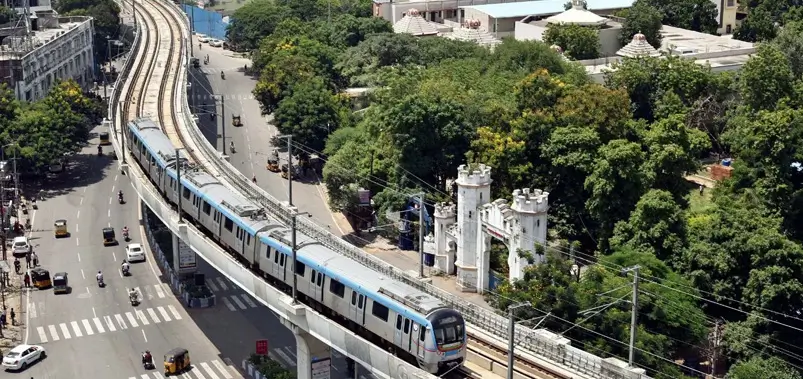
Many first time visitors rely entirely on taxis, private cars, and ride-hailing applications without considering the Delhi Metro.
This can be a mistake.
The metro is one of the largest and most efficient public transportation systems in the world. It connects many important parts of the city and often provides a faster alternative to road transportation during busy traffic periods.
Visitors sometimes assume public transportation will be difficult to understand. In reality, the metro system is modern, clearly marked, and widely used by residents, professionals, students, and tourists.
Major attractions, business districts, shopping areas, and transportation hubs are connected through an extensive network.
For example, travelers staying in central Delhi can often reach destinations more quickly by metro than by car during peak traffic hours.
The metro also provides an interesting glimpse into daily life. Riding alongside local residents offers a different perspective on the city than moving exclusively between tourist attractions.
This does not mean the metro should replace all other forms of transportation.
Private drivers, taxis, and walking tours still play important roles depending on the itinerary.
However, travelers who completely ignore the metro often miss one of the city's most practical transportation resources.
Using it strategically can save both time and money while improving overall mobility within Delhi.
Many travelers arrive in India expecting a largely cash based economy.
While cash remains useful, carrying excessive amounts is often unnecessary and sometimes inconvenient.
Delhi has rapidly adopted digital payment systems. Credit cards, debit cards, and electronic payment methods are accepted at hotels, major restaurants, shopping centers, and many retail establishments.
Visitors frequently withdraw large amounts of currency immediately after arrival and then spend the remainder of the trip worrying about keeping it secure.
A better approach is usually maintaining a reasonable amount of cash for small purchases while relying on electronic payments whenever practical.
Cash remains useful for:
However, there is rarely a need to carry large sums throughout the day.
Keeping most funds secure and carrying only what is needed reduces risk and provides greater peace of mind.
Travelers should also remember that ATM machines are widely available throughout Delhi, making it easy to obtain additional currency when necessary.
Modern payment options have made travel considerably more convenient than many guidebooks still suggest.
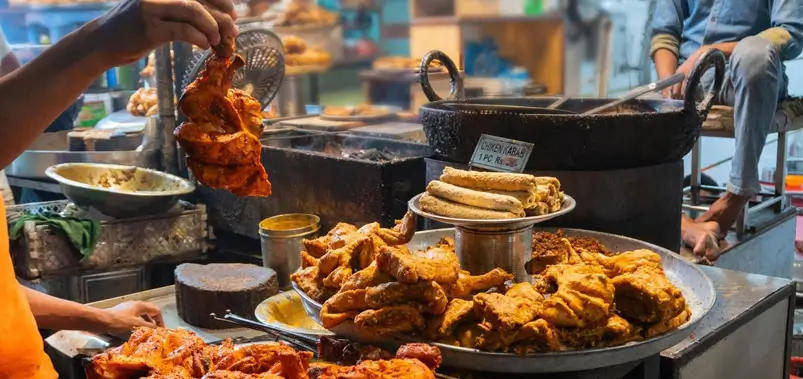
Delhi is one of India's greatest food destinations.
The city offers everything from luxury fine dining and regional specialties to legendary street food and historic restaurants.
The temptation to try everything immediately is understandable.
Unfortunately, some travelers become so enthusiastic that they overwhelm their digestive systems on the first day.
After a long international flight, changing time zones, and adjusting to a new climate, the body is already adapting to multiple factors. Adding excessive amounts of unfamiliar food can occasionally create discomfort.
This does not mean visitors should avoid local cuisine.
Quite the opposite.
Delhi's food culture is one of its greatest attractions.
The key is moderation during the first day or two.
Many experienced travelers begin with reputable restaurants, stay well hydrated, and gradually expand their culinary adventures as they become accustomed to local conditions.
Street food can be fantastic when chosen carefully. Busy vendors with high turnover often provide fresher products than empty stalls.
Food tours, local recommendations, and established restaurants are excellent ways to experience Delhi's culinary scene safely.
The goal is enjoying the food rather than rushing through a checklist of dishes.
A thoughtful approach usually leads to a far better experience.
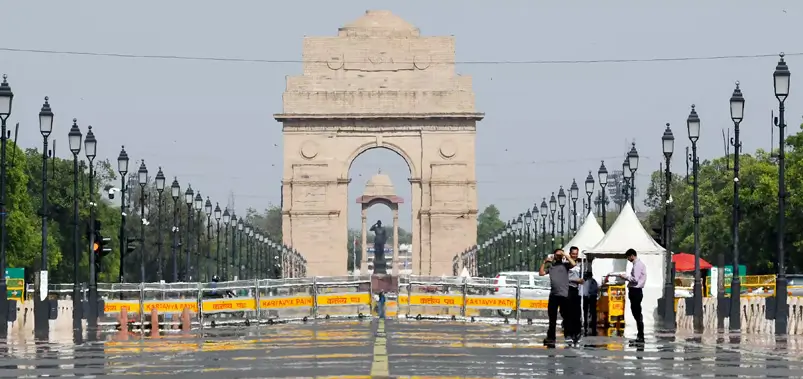
Another common mistake involves assuming Delhi's weather will not significantly affect sightseeing plans.
The city experiences distinct seasonal changes, and conditions can vary dramatically throughout the year.
Travelers sometimes create ambitious outdoor itineraries without considering temperature, humidity, or other environmental factors.
Walking tours, monument visits, and market exploration often involve more physical activity than expected.
Appropriate clothing, sun protection, hydration, and realistic scheduling become increasingly important during warmer periods.
Air quality is another consideration.
Conditions fluctuate throughout the year, and travelers with respiratory sensitivities may benefit from monitoring forecasts and planning accordingly.
Most visitors experience no serious difficulties, but awareness helps create more comfortable itineraries.
Morning sightseeing often provides more pleasant conditions than midday exploration.
Flexibility also helps.
Adjusting plans based on weather conditions frequently results in a more enjoyable trip than rigidly following a predetermined schedule.
The city offers enough indoor and outdoor attractions to accommodate changing circumstances.
Planning intelligently allows travelers to remain comfortable while maximizing sightseeing opportunities.
Some travelers prefer spontaneous travel.
While flexibility has advantages, leaving every reservation until the last moment can create unnecessary complications in a city as popular as Delhi.
Accommodation, transportation, guides, and certain attractions may have limited availability during busy travel periods.
Travelers who delay booking often face higher prices, fewer choices, and reduced flexibility.
This is particularly true for:
Advance planning does not eliminate spontaneity.
Instead, it creates a reliable framework that allows travelers to enjoy spontaneous experiences without worrying about essential logistics.
A balanced approach usually works best.
Secure important reservations in advance while leaving room for unexpected discoveries and changes of plan.
Delhi rewards curiosity, but basic organization can significantly reduce stress.
The most successful trips often combine preparation with flexibility.
.webp)
Perhaps the most important lesson for first time visitors is that flexibility matters.
Travelers who arrive expecting everything to operate exactly according to schedule sometimes become frustrated.
Those who remain adaptable often have the best experiences.
A market may prove more interesting than expected.
A conversation with a local resident may lead to an unexpected recommendation.
Traffic may alter a day's plans.
Weather may encourage changes to the itinerary.
Rather than viewing these situations as problems, experienced travelers often treat them as part of the adventure.
Delhi is a city filled with surprises.
Some of the most memorable experiences occur when plans evolve naturally.
The ability to adapt allows travelers to appreciate opportunities they might otherwise miss.
Flexibility does not mean abandoning planning entirely.
It means recognizing that travel involves discovery as well as organization.
The most rewarding journeys often leave room for both.
While avoiding mistakes is important, developing positive habits can improve the travel experience even further.
Successful travelers in Delhi often share several characteristics.
They start sightseeing early.
They stay hydrated.
They allow extra time for transportation.
They remain respectful of local customs.
They research attractions before visiting.
They maintain realistic expectations.
They stay curious.
Most importantly, they approach the city with an open mind.
Delhi is complex.
It cannot be fully understood in a single day or summarized by a few famous monuments.
The city rewards travelers who invest time in exploring its neighborhoods, understanding its history, and engaging with its culture.
Many visitors arrive uncertain about what to expect.
They leave with a deep appreciation for one of the world's most fascinating capitals.
Avoiding common mistakes helps create the space for those positive experiences to happen.
We promise you a holiday where everything is taken care of from the moment you land. Trusted drivers waiting for you, handpicked hotels that fit your style, personalized itineraries designed just for your family, and a dedicated team on call 24/7. All you need to do is relax, explore, and create unforgettable memories, while we take care of every detail behind the scenes.
Remain flexible. Some of the best travel experiences in Delhi emerge from unexpected opportunities and adjustments.
A combination of private transportation, metro travel, and walking often provides the most efficient experience.
Yes, particularly when choosing reputable restaurants and busy food vendors with good turnover.
No. A moderate amount is usually sufficient because electronic payments are widely accepted.
Absolutely. Old Delhi offers some of the city's richest history, culture, food, and architecture.
Most travelers benefit from spending at least two to three days exploring the city.
In traditional markets, bargaining is often expected. In malls and premium stores, prices are generally fixed.
Yes. The metro is efficient, affordable, and often faster than road transportation during peak traffic periods.
Trying to see too much in too little time is one of the most common mistakes.
Yes. Millions of international visitors travel to Delhi every year. Basic awareness and sensible precautions are usually sufficient.