Delhi is one of those cities where a great guide can completely transform the travel experience.
At first glance, the city may seem straightforward. Major monuments such as Qutub Minar, Humayun's Tomb, Red Fort, Jama Masjid, and India Gate are easy to identify on a map. Transportation is readily available, and information about attractions can be found online within seconds.
Because of this, many travelers initially assume that hiring a guide is unnecessary.
However, after spending time in Delhi, visitors often realize that the city's true value lies not only in its monuments but also in the stories behind them. A guide can explain why a building was constructed, how an empire rose and fell, why certain architectural features matter, and how historical events continue to influence modern Delhi.
A guide can also help travelers understand cultural traditions, navigate complex neighborhoods, discover lesser known sites, and avoid wasting valuable vacation time.
The challenge is finding the right guide.
Delhi receives millions of visitors each year, and guide quality varies significantly. Some guides are exceptionally knowledgeable professionals with years of experience and formal training. Others possess only limited historical knowledge and focus primarily on directing visitors toward commission based shopping opportunities.
For first time travelers, distinguishing between the two can be difficult.
Questions quickly arise.
How much should a guide cost?
How do you verify credentials?
Is it safe to hire someone on the spot?
Should guides be booked in advance?
What warning signs indicate potential problems?
The good news is that finding a trusted local guide in Delhi is not difficult when you know what to look for. Understanding the characteristics of a professional guide and recognizing common red flags can help ensure a rewarding and educational experience.
A knowledgeable guide does far more than provide information.
They help travelers see Delhi through a completely different lens.
Many experienced travelers enjoy exploring independently.
Delhi certainly allows for self-guided sightseeing, particularly at major attractions. Yet there are several reasons why hiring a guide can add significant value to the experience.
The most obvious advantage is historical context.
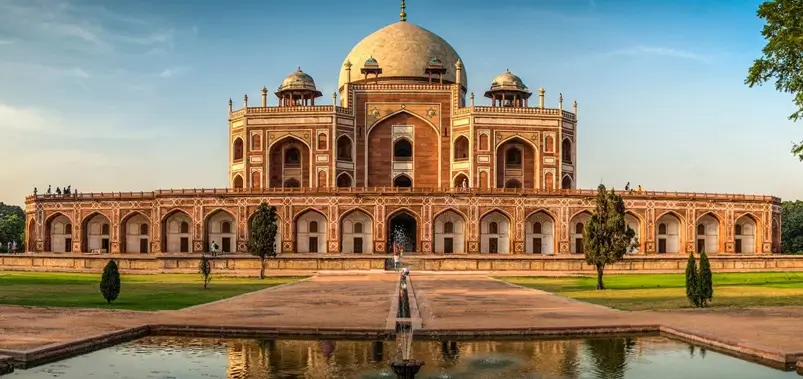
A traveler standing before Humayun's Tomb may admire its architecture and gardens. A skilled guide explains how the monument influenced later Mughal architecture, why it was revolutionary for its time, and how it eventually inspired the design of the Taj Mahal.
The structure becomes more than a building.
It becomes part of a larger story.
The same principle applies throughout Delhi.
Walking through Old Delhi without a guide can be exciting. Walking through Old Delhi with someone who understands its history, communities, architecture, and traditions often creates a much deeper experience.
Guides also help travelers use their time efficiently.
Delhi is enormous, and first time visitors frequently underestimate distances and travel times. Experienced guides understand how to organize itineraries logically, reducing unnecessary transportation and maximizing sightseeing opportunities.
Language and cultural interpretation represent additional benefits.
While many residents speak English, guides can provide explanations, translations, and local insights that enhance interactions with people and places throughout the city.
Another advantage involves access to lesser known locations.
Many of Delhi's most fascinating historical sites receive relatively few tourists. Guides often introduce visitors to hidden monuments, local markets, traditional neighborhoods, and stories that never appear in standard travel itineraries.
For travelers interested in understanding Delhi rather than simply seeing it, a good guide often proves to be one of the most valuable investments of the trip.
One of the first things visitors should understand is that not all guides operate under the same standards.
Delhi has both licensed professional guides and informal guides.
Licensed guides typically undergo formal training, examinations, and certification processes. They possess documented credentials and are generally authorized to guide visitors at major historical attractions.
Many professional guides specialize in history, architecture, religion, photography, food, or cultural experiences.
Informal guides, on the other hand, may have varying levels of knowledge and experience.
Some possess genuine expertise despite lacking formal credentials. Others provide only basic information and rely heavily on sales commissions from shops and commercial establishments.
This distinction does not mean every licensed guide is excellent or every informal guide is poor.
However, certification often provides an additional layer of accountability and professionalism.
Travelers interested in in-depth historical interpretation usually benefit from working with guides who have formal training and proven experience.
Before hiring a guide, it is reasonable to ask about qualifications, experience, and areas of specialization.
Professional guides generally welcome such questions.
They understand that visitors want confidence in the services they are purchasing.
Knowing the difference between guide categories helps travelers make more informed decisions and avoid disappointment.
One of the smartest strategies is arranging guide services before reaching Delhi.
Advance booking provides time to compare options, read reviews, ask questions, and evaluate communication quality.
Many reputable tour operators maintain websites that introduce their guides, explain services, and provide testimonials from previous travelers.
Reviews deserve careful attention.
Rather than focusing solely on star ratings, travelers should read detailed comments describing specific experiences. Reviews that mention historical knowledge, punctuality, professionalism, flexibility, and communication often provide valuable insights.
Direct communication before booking can also reveal a great deal.
Professional guides typically respond clearly, answer questions thoroughly, and demonstrate enthusiasm for sharing knowledge about Delhi.
Travelers should feel comfortable discussing:
A guide who listens carefully and tailors recommendations accordingly often delivers a more satisfying experience.
Hotel concierge teams can also provide recommendations, particularly at reputable properties accustomed to serving international travelers.
Planning ahead reduces uncertainty and allows visitors to begin their trip with greater confidence.

Many tourists hire guides without asking enough questions.
A brief conversation before booking can prevent misunderstandings and help determine whether a guide is the right fit.
One important question concerns specialization.
Some guides focus primarily on history and architecture. Others specialize in food tours, photography walks, shopping experiences, religious sites, or cultural immersion.
Matching expertise to personal interests usually produces better results.
Travelers should also ask about language proficiency.
Even when guides speak English, fluency levels vary. Clear communication is essential for an enjoyable experience.
Another useful topic involves itinerary flexibility.
Can the tour be customized?
Can additional locations be included?
How much walking is involved?
Are transportation arrangements provided?
Understanding these details in advance helps align expectations.
Cost transparency is equally important.
Professional guides clearly explain what is included and whether additional expenses may arise.
Visitors should know whether entrance tickets, transportation, meals, and gratuities are included in quoted prices.
The goal is not to interrogate guides but to establish clarity.
Well-informed travelers usually enjoy smoother and more rewarding experiences.
One question almost every traveler asks is:
"What should a local guide cost in Delhi?"
The answer depends on several factors.
Tour duration, specialization, language requirements, group size, transportation needs, and guide experience all influence pricing.
A short heritage walk generally costs less than a full-day customized tour. Specialized guides with deep historical expertise may charge higher rates than general sightseeing guides.
Private tours naturally cost more than group tours because the guide's attention is dedicated exclusively to one party.
Travelers should remember that quality guiding involves significant preparation, knowledge, and professional skill.
Choosing solely based on the lowest price often leads to disappointment.
A highly knowledgeable guide can dramatically enhance understanding of Delhi's history and culture, making the experience far more valuable than the price difference between average and excellent services.
The most important consideration is value rather than cost alone.
A guide who transforms your understanding of the city often provides exceptional return on investment.
While most guides operating in Delhi are honest professionals, certain warning signs deserve attention.
One of the biggest red flags is aggressive behavior.
Professional guides do not pressure travelers into immediate decisions. They explain services clearly and allow visitors time to consider options.
Another concern arises when a guide focuses excessively on shopping.
If historical attractions seem secondary to store visits, commission arrangements may be influencing priorities.
A good guide prioritizes the traveler's interests rather than retail opportunities.
Lack of transparency regarding costs should also raise concerns.
Professional guides explain pricing clearly. Vague answers or reluctance to discuss fees often indicate potential problems.
Poor communication before the tour can be another warning sign.
If responses are delayed, unclear, or inconsistent before payment, service quality may not improve afterward.
Visitors should also be cautious about guides who make unrealistic promises or claim exclusive access to attractions.
Professionalism, honesty, and transparency are usually reliable indicators of quality.
Trustworthy guides build confidence rather than pressure.
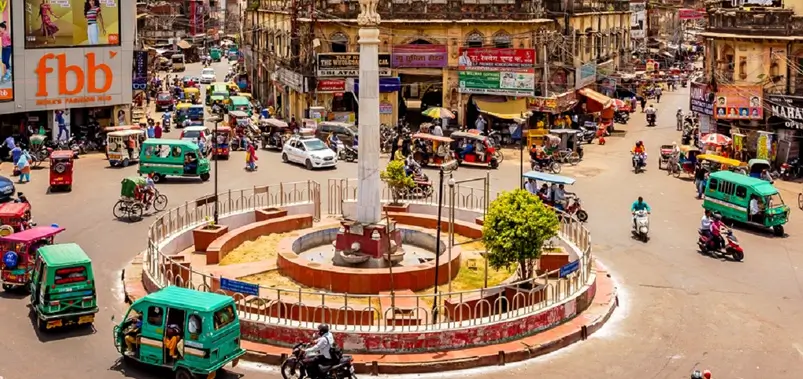
One of the most common concerns travelers have when hiring a local guide in Delhi involves shopping stops.
To be clear, not every guide who recommends a shop is acting improperly. Many guides genuinely know reputable businesses that offer quality products and fair prices. However, visitors should understand how commission systems sometimes operate within the tourism industry.
Certain shops provide financial incentives to guides, drivers, and intermediaries who bring customers to their stores. As a result, some guides may spend a disproportionate amount of time encouraging shopping rather than focusing on the attractions and experiences that visitors originally requested.
The issue is not necessarily the store itself.
The problem occurs when shopping becomes the primary objective of the tour rather than an optional activity.
A professional guide generally discusses shopping preferences before the tour begins. If a traveler expresses interest in handicrafts, textiles, jewelry, spices, or traditional products, a guide may reasonably recommend certain locations. The difference is that the recommendation should serve the traveler's interests rather than the guide's commission opportunities.
One effective strategy is addressing the topic directly.
Travelers can politely state at the beginning of the tour that they are primarily interested in history, architecture, culture, photography, or food experiences and prefer to minimize shopping stops.
Professional guides respect such preferences.
Another useful approach is asking whether any recommended stores have commission arrangements. Reputable guides are often transparent when asked directly.
Visitors should remember that they always retain control over their itinerary. A guide can make suggestions, but the final decision belongs to the traveler.
The best guides focus on creating memorable experiences rather than maximizing retail opportunities.
When shopping becomes an optional enhancement rather than the central purpose of the tour, travelers usually enjoy a much more authentic and rewarding experience.
One of the most important decisions travelers face is whether to hire a private guide or join a group tour.
Both options have advantages, and the right choice depends largely on personal preferences, budget, and travel style.
Private guides provide a highly personalized experience.
The itinerary can be customized according to interests, pace, and priorities. Travelers who love architecture can spend additional time examining details. Food enthusiasts can explore local culinary traditions. Photographers can adjust schedules around lighting conditions.
Questions receive individual attention, and the experience often feels more conversational.
Private guiding is particularly valuable in a city as complex as Delhi because different travelers are interested in different aspects of the city.
Some visitors want Mughal history.
Others prefer colonial architecture.
Some are fascinated by religion, while others focus on food, markets, or contemporary culture.
A private guide can adapt accordingly.
Group tours offer different benefits.
They are often more affordable and provide opportunities to meet other travelers. Many group tours follow carefully planned itineraries that cover major highlights efficiently.
For travelers who prefer a structured experience without extensive customization, group tours can represent excellent value.
However, group tours naturally operate at a collective pace. Individual interests may receive less attention, and flexibility is often limited.
Many experienced travelers ultimately choose private guiding for at least one day in Delhi because it allows them to explore the city in greater depth and according to their specific interests.
The additional investment frequently results in a richer and more memorable experience.

Not every part of Delhi requires a guide.
Some attractions are relatively straightforward to explore independently, while others become dramatically more interesting with expert interpretation.
Old Delhi is perhaps the clearest example.
The area surrounding Chandni Chowk, Jama Masjid, and the historic markets contains layers of history that are not immediately obvious to first time visitors. Without context, travelers may simply see crowded streets and busy markets.
A knowledgeable guide explains how the area developed during the Mughal period, why certain neighborhoods specialized in specific trades, and how different communities shaped the district over centuries.
The experience becomes far more meaningful.
Similarly, Humayun's Tomb benefits greatly from expert interpretation.
Many visitors admire the architecture but miss its historical significance and its role in influencing later Mughal monuments, including the Taj Mahal.
The same applies to Qutub Minar.
The complex contains multiple structures representing different periods of Delhi's history. A guide helps visitors understand the broader narrative rather than focusing solely on the famous tower.
Heritage walks in lesser known areas such as Mehrauli, Nizamuddin, and Shahjahanabad often benefit even more from professional guidance because many important details are not immediately visible.
In these locations, a guide functions almost like a storyteller, bringing history to life through explanation and context.
The result is often a much deeper appreciation of Delhi's complexity and historical significance.

While guides can add tremendous value, not every attraction requires one.
Many parts of Delhi are perfectly enjoyable through independent exploration.
Connaught Place, for example, is easy to navigate and offers shopping, dining, and architectural interest without requiring extensive interpretation.
Lodhi Gardens also works well as a self-guided destination. Visitors can enjoy the monuments, green spaces, and peaceful atmosphere at their own pace.
Modern districts of New Delhi often lend themselves to independent exploration as well.
Travelers comfortable using maps and transportation applications can move around many parts of the city with relative ease.
Museums frequently provide informational displays and audio resources that reduce the need for a personal guide.
The decision ultimately depends on travel style.
Some visitors enjoy researching destinations in advance and exploring independently.
Others prefer learning directly from local experts.
Many travelers combine both approaches, hiring guides for historically complex areas while exploring more straightforward locations on their own.
This balance often provides the best combination of education, flexibility, and value.
Safety concerns are natural when meeting someone for the first time in an unfamiliar city.
Fortunately, professional guides in Delhi generally operate within established tourism systems and are accustomed to working with international visitors.
Nevertheless, a few basic precautions remain sensible.
Booking through reputable companies, established tourism providers, or trusted recommendations provides an additional layer of security.
Travelers should confirm meeting locations, contact information, and itinerary details before the tour begins.
Keeping copies of guide contact details and sharing plans with traveling companions can also be helpful.
Payment arrangements deserve attention as well.
Clear agreement regarding costs before the tour starts prevents misunderstandings later.
Most professional guides communicate pricing transparently and welcome questions regarding inclusions and exclusions.
Visitors should also trust their instincts.
If a guide behaves aggressively, pressures travelers into shopping, or creates discomfort for any reason, there is no obligation to continue the relationship.
The overwhelming majority of professional guides take pride in their work and strive to create positive experiences.
Basic awareness combined with common sense is usually sufficient.
Delhi's tourism industry depends heavily on reputation and word-of-mouth recommendations, creating strong incentives for professional behavior.
The difference between seeing Delhi and understanding Delhi often comes down to interpretation.
A monument is simply a structure until someone explains its significance.
A market is simply a collection of shops until someone reveals its history.
A neighborhood becomes far more interesting when its stories are brought to life.
This is where exceptional guides make a remarkable difference.
Great guides do not simply recite facts.
They connect historical events, architectural details, cultural traditions, and contemporary life into a coherent narrative.
They answer questions thoughtfully.
They adapt to individual interests.
They encourage curiosity.
Many travelers discover that their favorite memories are not specific monuments but conversations, stories, and insights shared during guided experiences.
A knowledgeable guide can help visitors appreciate details they would never notice independently.
The city becomes more than a sightseeing destination.
It becomes a living historical and cultural landscape.
This transformation is why so many experienced travelers consider a quality guide one of the most worthwhile investments they make during their time in Delhi.
The right guide does not merely show you the city.
They help you understand why it matters.
Finding a trusted local guide ultimately comes down to preparation, communication, and realistic expectations.
Travelers who research options carefully, read reviews thoughtfully, ask relevant questions, and prioritize quality over the lowest possible price usually achieve the best results.
Delhi offers extraordinary opportunities for exploration.
Its history spans centuries. Its architecture reflects multiple civilizations. Its neighborhoods reveal countless stories waiting to be discovered.
A skilled guide can help unlock these stories and transform a standard sightseeing itinerary into a far richer experience.
Whether exploring Mughal monuments, wandering through Old Delhi, discovering hidden heritage sites, or learning about contemporary culture, the right guide often becomes one of the most valuable parts of the journey.
Choosing carefully ensures that your time in Delhi is not only informative but genuinely memorable.
We promise you a holiday where everything is taken care of from the moment you land. Trusted drivers waiting for you, handpicked hotels that fit your style, personalized itineraries designed just for your family, and a dedicated team on call 24/7. All you need to do is relax, explore, and create unforgettable memories, while we take care of every detail behind the scenes.
Exceptional guides provide context, tell engaging stories, adapt to traveler interests, and create deeper understanding rather than simply presenting facts.
Absolutely. Many areas are suitable for independent exploration, especially with modern navigation tools.
Private guides offer greater flexibility and personalization, while group tours are often more affordable.
Yes. Many guides are familiar with excellent photography locations and timing recommendations.
Excessive focus on shopping and commission-based activities is one of the most common warning signs.
Old Delhi is one of the areas where guides often add the most value because of its complex history and cultural significance.
Costs vary depending on experience, duration, specialization, and tour type, but quality should be prioritized over the lowest price.
Advance booking is usually recommended because it allows time to compare options and communicate expectations.
Ask about credentials, experience, reviews, and professional affiliations. Reputable guides are generally happy to provide this information.
Not necessarily, but a knowledgeable guide can significantly enhance understanding of the city's history, architecture, and culture.