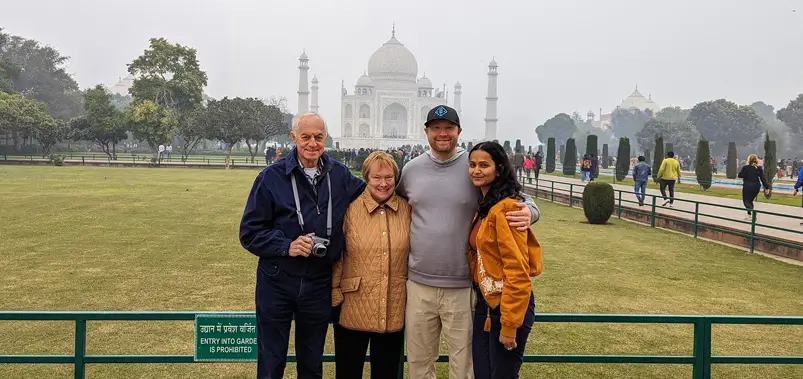
Returning to India as an NRI can feel completely different when you are bringing a spouse, partner, children or friends who have never visited the country before. Places that feel familiar to you may be entirely new to them. Foods you grew up eating may require an introduction. A crowded market that brings back childhood memories may initially feel overwhelming to someone arriving from London, New York, Toronto, Sydney or another international city.
That difference is precisely what makes an NRI luxury India homecoming trip so personal.
It is not simply a holiday and it is not a conventional visit to relatives. The journey often has two purposes at the same time. The NRI traveller wants to reconnect with family, neighbourhoods, traditions and memories, while the non-Indian guests want to see the India they have heard about through stories. Both deserve an itinerary that feels natural rather than a schedule that forces family visits and sightseeing into competition.
A well arranged journey can combine private sightseeing in Delhi, the Taj Mahal in Agra, palace heritage in Jaipur and additional destinations with family meals, ancestral connections and unstructured personal time. Premium hotels, a dedicated chauffeur and knowledgeable private guides make that balance considerably easier.
For Golden Triangle Tours, an NRI homecoming journey should be treated as a private, tailor made trip rather than an off the shelf circuit. The most important parts of such a holiday are often the details that never appear in a standard itinerary.
The biggest challenge is that the people travelling together may be having completely different versions of the same trip.
An NRI traveller might land in Delhi and immediately recognise the sounds, food and rhythm of India. A non-Indian partner or friend may be processing the country for the first time. Traffic, crowds, languages, security checks, bargaining, unfamiliar food and the sheer amount happening on the street can create sensory overload, particularly after a long international flight.
A successful India homecoming tour for NRI families gives first time visitors enough time to settle.
The first day should rarely be overloaded with major sightseeing. International arrivals can involve jet lag and disrupted sleep, especially for guests travelling from North America. Even travellers arriving from the United Kingdom or Europe may appreciate an easy first evening.
A private airport transfer is particularly valuable here. The family does not need to negotiate transportation immediately after landing, and non-Indian guests receive a much calmer introduction to the country. The chauffeur can meet the guests according to the confirmed arrangement and transfer them directly to their hotel.
A premium hotel for the first two or three nights creates a comfortable base. Rather than immediately leaving Delhi for another city, guests can recover properly and begin sightseeing when they are ready.
Delhi provides an excellent introduction because the city contains several versions of India within one destination.
Old Delhi can introduce visitors to historic lanes, markets, religious landmarks and Mughal era heritage. New Delhi presents broad avenues, monumental architecture, luxury hotels and a different urban rhythm. A private guide helps first time visitors understand what they are seeing instead of simply being driven past landmarks.
For NRI travellers, Delhi may also contain personal connections. A family may want to visit a neighbourhood where parents once lived, meet relatives in South Delhi, visit a family temple, return to an old school or spend an evening at a relative's home.
These activities should be treated as important itinerary components.
One of the easiest mistakes is scheduling a family lunch between a morning tour and an afternoon monument visit. Indian family gatherings do not always operate according to a sightseeing timetable. A lunch may naturally extend into tea, conversation and another relative arriving later.
A bespoke India tour for NRI families should leave space for that possibility.
If relatives are central to the homecoming, a half day or even a complete day without formal sightseeing can be valuable. The non-Indian guests can join the family visit or have a separate private activity arranged according to their interests.
That flexibility prevents resentment on both sides. The NRI traveller does not feel guilty about leaving relatives early, and the first time guest does not feel that the entire India holiday is being spent sitting in family living rooms.
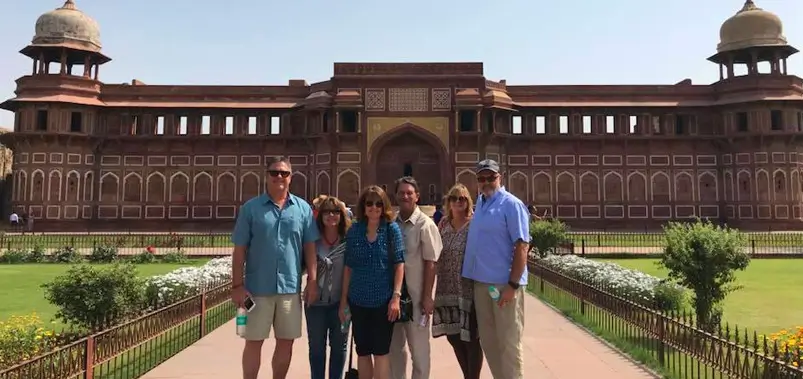
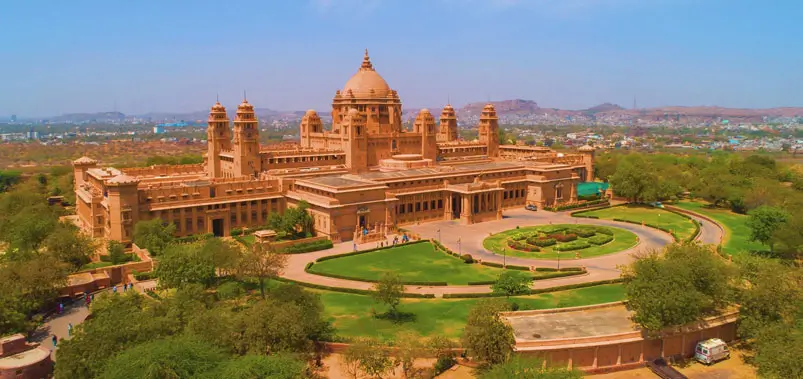
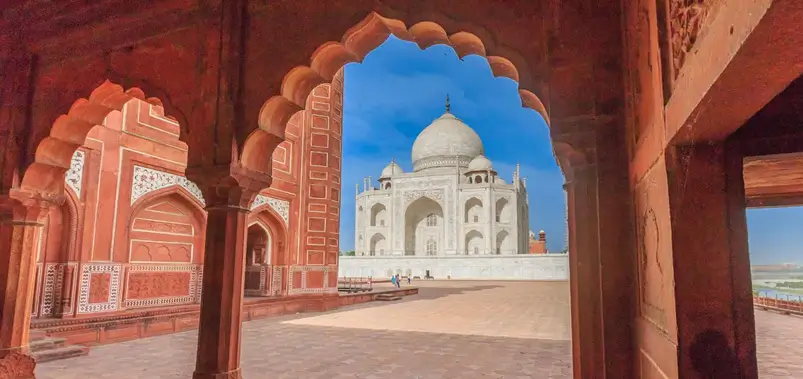
Agra and Jaipur can then provide the classic first time India experiences. The Taj Mahal gives non-Indian guests an iconic moment they have probably anticipated for years, while Jaipur introduces palace architecture, forts, crafts and Rajasthan's royal history.
The homecoming remains personal, but the accompanying guests still receive a substantial India journey.
Drop a comment below with your dream destination, or contact our team at Top Indian Holidays to craft a custom luxury itinerary today.
Luxury travel should make India easier to navigate, not isolate visitors from the country.
A non-Indian guest does not need to spend the entire journey moving from an international hotel to a private car and back again without meaningful local contact. At the same time, authenticity should not be confused with unnecessary discomfort.
A strong private India tour for international guests sits between those extremes.
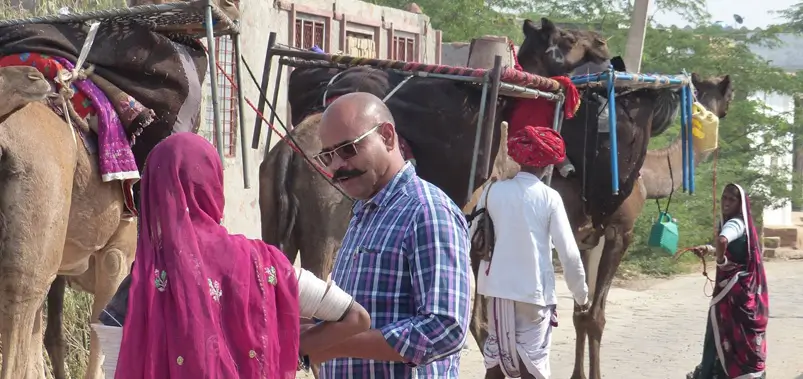
Old Delhi is a good example. A first time visitor may genuinely want to see Chandni Chowk, historic markets and Jama Masjid. Simply dropping them at a busy intersection and expecting them to navigate independently can be stressful. Visiting with a knowledgeable private guide allows them to engage with the area while understanding what is happening around them.
Food needs the same judgement.
The NRI traveller may know exactly which snacks they ate growing up, but their guest may have no experience judging where or what to eat. Rather than banning street food entirely, a carefully selected food experience can focus on reputable establishments and dishes suitable for the group.
Non-Indian visitors should also receive clear guidance about drinking water. Properly sealed bottled water or appropriately treated water is generally the sensible choice for international visitors. Hotels and the private vehicle can keep drinking water available throughout the day.
Spice levels should be discussed rather than assumed. Indian food is extraordinarily varied, and “Indian food” does not automatically mean extremely spicy. Good restaurants can often adjust dishes, while an experienced guide can explain regional food and recommend options based on the guest's preferences.
Clothing is another area where the NRI traveller may take cultural expectations for granted.
For general sightseeing, comfortable clothing suitable for the weather is usually the priority. Religious sites may require more modest dress, head covering or removal of footwear depending on the place. A private guide should explain these expectations before arrival rather than after a guest reaches the entrance.
Temple and religious etiquette can be especially valuable for mixed groups. The NRI traveller may instinctively understand certain customs, while a non-Indian partner may worry about accidentally behaving disrespectfully. A short explanation before entering removes that anxiety.
Shopping requires similar care. Jaipur jewellery, textiles, carpets, handicrafts and Delhi markets can be fascinating for first time guests, but nobody should feel pressured to purchase something because a shop has been included in the day's route.
A luxury private India holiday should make commercial stops transparent. If guests want jewellery, textiles or art, reputable specialist visits can be arranged. If they do not want to shop, sightseeing should not quietly become a sales tour.
Photography can also create misunderstandings. Visitors should not assume every person, ceremony or religious activity is available for photography. Guides can help guests recognise when asking permission is appropriate and where photography restrictions apply.
The goal is not to make India behave like the visitor's home country. It is to give visitors enough context that unfamiliar situations become interesting rather than intimidating.
That difference is central to premium private travel.
For a mixed NRI and international group, Delhi, Agra and Jaipur can work extremely well because each city contributes something different.
A comfortable journey should generally avoid treating the route as a three city sprint.
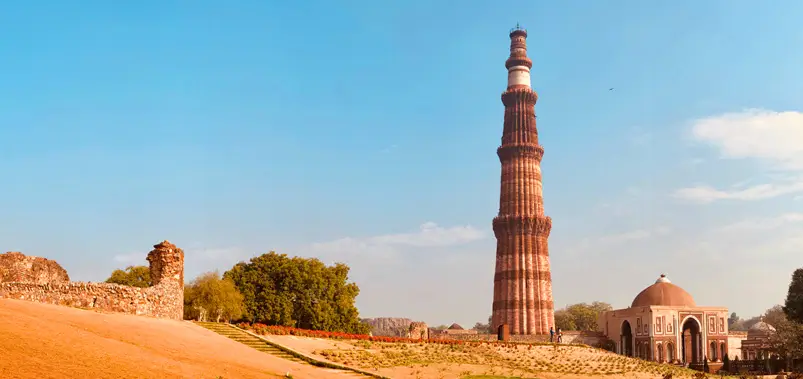
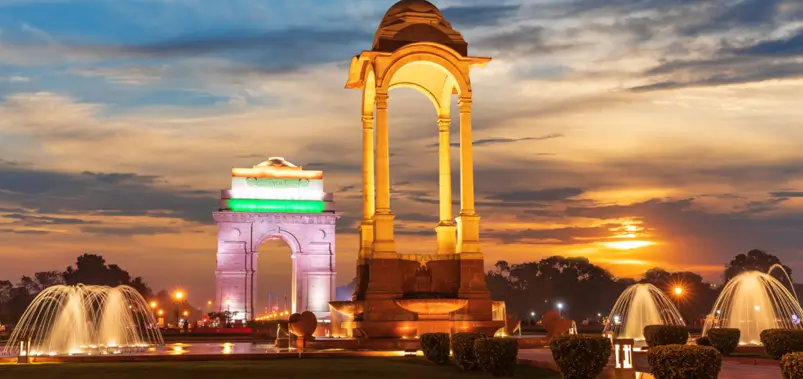
Three nights in Delhi can be highly useful. The arrival day can remain light, followed by selected sightseeing and personal family time. Depending on interests, visits can include Humayun's Tomb, Qutub Minar, India Gate, Old Delhi, Jama Masjid, Gurudwara Bangla Sahib and other selected landmarks.
Trying to include every major Delhi attraction is unnecessary.
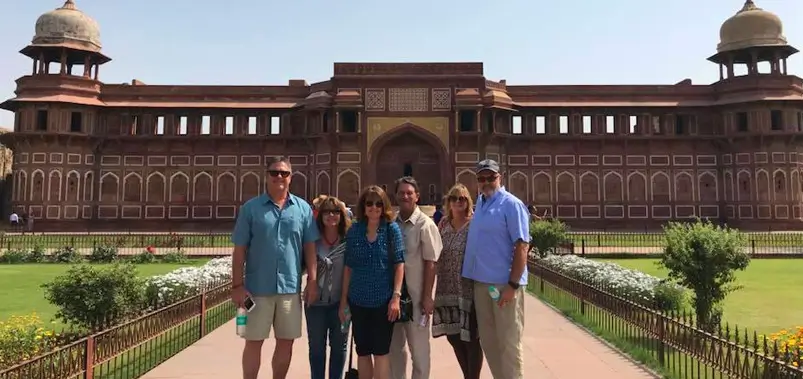
A private vehicle can then take the group to Agra. Depending on traffic and the precise starting point, the drive normally occupies a significant portion of the morning. A relaxed lunch and hotel check-in can precede Agra Fort or another selected activity.
The Taj Mahal deserves enough time.
The monument is generally open from sunrise to sunset and normally closed to general visitors on Fridays. Ticket prices and entry procedures can change, so current official arrangements should be checked close to the visit rather than relying on an old travel article.
Sunrise can be memorable, particularly for photography, but the family should consider whether everyone actually wants an early wake up. A non-Indian guest visiting India for the first time may be delighted simply to see the Taj Mahal without needing the trip to begin before dawn.
A high end Agra hotel can make the overnight stop considerably more appealing. Travellers seeking exceptional accommodation may consider The Oberoi Amarvilas, known for its Taj Mahal views, while other premium hotels offer different price levels and styles.
From Agra, the family can continue to Jaipur. Fatehpur Sikri can be added en route for guests interested in Mughal history, but the additional sightseeing makes the transfer day longer. It should be included because the group wants to see it, not merely because every conventional itinerary lists it.
Jaipur benefits from at least three nights on a slower journey.
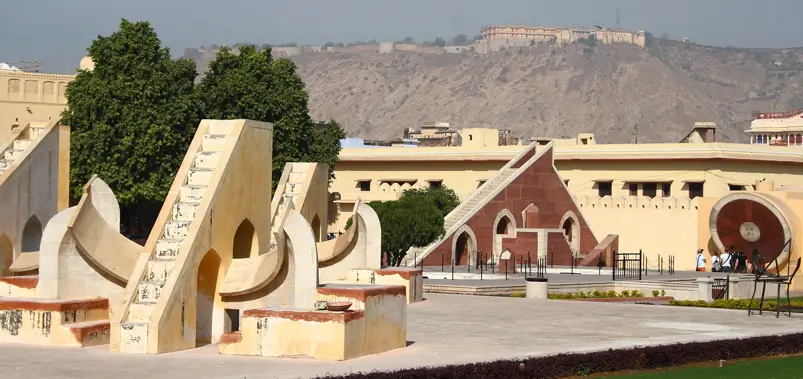
Amber Fort can occupy one morning, with the afternoon reserved for lunch and rest. City Palace, Jantar Mantar and the old city can form another day. Shopping, crafts, a private meal or family connections can fill additional time without creating a rushed schedule.
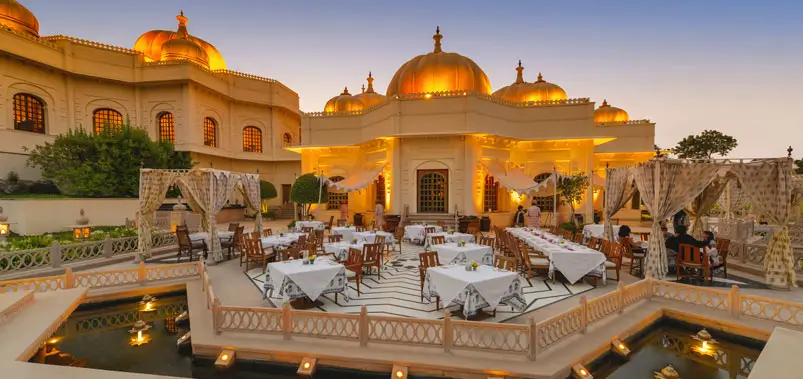
For luxury Golden Triangle travel for NRI families, hotel selection in Jaipur can also become part of the cultural experience. Rambagh Palace offers historic royal character, while The Oberoi Rajvilas provides a resort style luxury environment. Other high quality heritage and five star properties can suit different preferences.
The right hotel depends on what the group values. A family that expects relatives to visit may appreciate suites and generous common areas. Couples may prefer privacy and resort facilities. Guests interested in heritage may accept a more traditional layout in exchange for atmosphere.
After Jaipur, the itinerary can move beyond the standard Golden Triangle according to the family's personal story.
Udaipur suits travellers wanting lakes, palaces and a gentler Rajasthan experience. Amritsar may be personally important to Punjabi or Sikh families and gives non-Indian guests an opportunity to experience the Golden Temple. Varanasi may appeal to families seeking a spiritual dimension. Mumbai can suit NRIs with family or professional connections in western India.
The destination should come from the family's reason for returning, not from a generic list of “must see” places.
Click the link in the description to download our exclusive NRI Homecoming Guide and subscribe for more insider travel tips.
The strongest homecoming journeys often contain places that have no tourism value whatsoever.
An old family house may not appear in any guidebook. A school may look completely ordinary to a visitor. A particular market, sweet shop, neighbourhood park or street may mean nothing to anyone outside the family.
For the NRI traveller, however, these places can be the emotional centre of the trip.
A private NRI India itinerary should be capable of accommodating them.
If a family wants to locate an ancestral neighbourhood or visit a specific address, as much information as possible should be gathered before the travel day. Indian cities change rapidly. Street names, landmarks, road layouts and building numbers may have changed since the traveller or their parents last visited.
Old photographs, addresses, nearby temples, schools or other landmarks can sometimes help establish the correct area.
These visits should not be squeezed into thirty minutes between monuments.
The NRI traveller may want to walk slowly, take photographs, speak to local residents or explain memories to children and friends. A private chauffeur allows the vehicle to remain available without forcing the family to follow a coach timetable.
Family meals deserve similar respect.
When non-Indian guests are visiting an Indian home for the first time, a little context can make the occasion more comfortable. The NRI host can explain whether footwear is normally removed, whether gifts are appropriate, how meals are likely to be served and whether the visit is expected to be formal or casual.
The international guest should not feel they need to understand every custom automatically.
Children born abroad can benefit enormously from these personal elements. Seeing grandparents' neighbourhoods, meeting extended family and hearing stories in the places where they happened gives India a dimension that conventional sightseeing cannot reproduce.
At the same time, children and partners should not be expected to share the NRI traveller's nostalgia at every moment.
A balanced India heritage trip for NRI families can allow part of the group to visit relatives while others enjoy a museum, spa, market, cooking activity or private sightseeing session.
This is another reason a dedicated private vehicle and flexible local arrangements are valuable. Not everyone has to do everything together.
Religious visits can carry similar emotional importance. A family may wish to return to a temple, gurdwara, church, mosque or another place connected to family history. Enough time should be provided for worship or quiet reflection rather than treating the visit as a photo stop.
For high net worth NRI families, privacy may become particularly important during personal visits. The travel arrangements should be discreet, and unnecessary personnel should not accompany family activities unless requested.
Luxury in this context is not about adding spectacle. It is about creating enough control over time and logistics for personal moments to happen naturally.
Mixed NRI and international groups often have more complicated requirements than conventional leisure travellers.
There may be elderly parents, children, relatives joining for a few days, different dietary preferences and guests arriving on separate international flights. One couple may want a suite, another may prefer twin beds, and older family members may require rooms near a lift.
This is where bespoke luxury travel in India becomes valuable.
Hotels should be chosen according to the group rather than simply according to reputation. A palace hotel can be spectacular, but a family with mobility concerns may need to check room access carefully. A resort may offer exceptional privacy but be inconvenient if the family intends to spend every evening visiting relatives across the city.
Room categories matter as well.
A standard luxury room can be perfectly adequate for travellers spending most of the day outside. A suite becomes more worthwhile when guests want additional living space, are travelling for a special occasion or expect family members to visit.
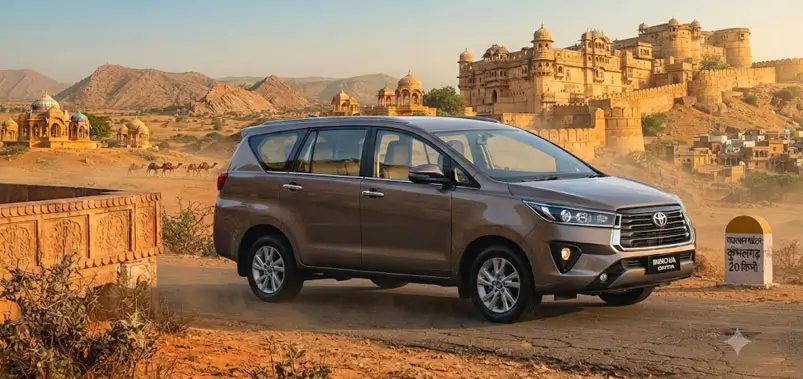
The private vehicle should also be selected based on passengers and luggage. NRI families frequently travel with more luggage than ordinary sightseeing tourists, particularly when carrying gifts for relatives. A vehicle should not be chosen simply because the advertised seating capacity technically accommodates the group.
Comfortable luggage storage matters on multi city road journeys.
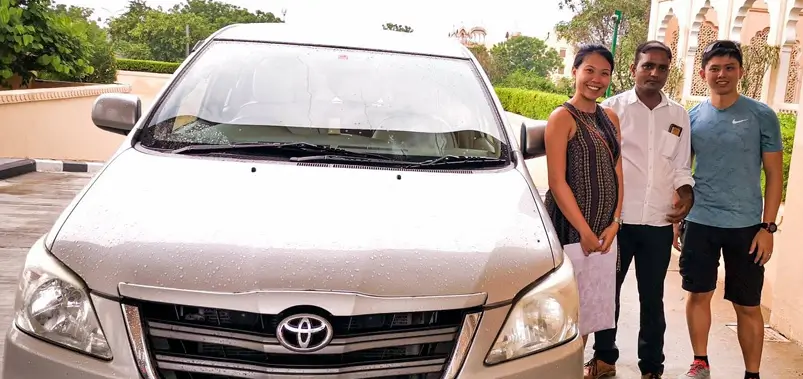
A professional chauffeur can provide continuity throughout Delhi, Agra and Jaipur. The family does not need to explain preferences repeatedly to different drivers, and the chauffeur becomes familiar with the group's normal departure times, comfort stops and luggage.
Local guides can then join in each city for sightseeing expertise.
The arrangement gives guests both continuity and specialist knowledge.
Reliable on tour support becomes particularly valuable when family schedules change. A relative may suddenly be available for dinner. An international guest may decide they need an afternoon of rest. A flight may be delayed. A family event may run longer than expected.
A rigid itinerary struggles with these situations. A tailor made India tour for NRI travellers should be able to respond to them.
Golden Triangle Tours can structure private journeys around these requirements, combining chauffeur driven transport, premium accommodation, personal guides and individually selected destinations.
For an NRI returning with non-Indian guests, the purpose is not to present a polished version of India with every unpredictable element removed. Nor is it to throw first time visitors into situations they are unprepared for in the name of authenticity.
The strongest homecoming trip sits in the middle.
It gives guests enough comfort to remain curious, gives the NRI traveller enough flexibility to reconnect with people and places, and gives the entire group enough time to create new memories alongside the old ones.
We promise you a holiday where everything is taken care of from the moment you land. Trusted drivers waiting for you, handpicked hotels that fit your style, personalized itineraries designed just for your family, and a dedicated team on call 24/7. All you need to do is relax, explore, and create unforgettable memories, while we take care of every detail behind the scenes.
Ten to fourteen nights can work well when combining the Golden Triangle with family time. Longer journeys are preferable when adding destinations such as Udaipur, Amritsar, Varanasi or Mumbai.
Yes. Delhi, Agra and Jaipur provide a strong introduction to Indian history, architecture, food and culture. A private Golden Triangle tour also allows first-time visitors to experience the route at their own pace.
That depends on the family, but visits should not be squeezed between major sightseeing appointments. Half-days or full unscheduled periods are often more practical, especially when several relatives are involved.
A private guide can still be valuable because the non-Indian guests may need historical and cultural context. Professional guides can also handle monument logistics while allowing the NRI traveller to enjoy the visit rather than acting as the group's guide.
International visitors can enjoy a wide range of Indian food. Reputable restaurants, sensible food choices and safe drinking water are important. Dietary preferences and spice tolerance can be communicated in advance.
Either can work, but many mixed groups find a hotel more comfortable because everyone has private space and predictable facilities. Family visits can still form a major part of the itinerary.
Yes. Personal addresses, former homes, schools and meaningful neighbourhoods can be incorporated into a custom India homecoming itinerary. Families should provide as much location information as possible before travel.
The right vehicle depends on passenger numbers, mobility and luggage. A premium sedan may suit a couple, while families with several large suitcases usually benefit from a more spacious vehicle.
Yes. Private arrangements make it possible for some guests to visit relatives while others have sightseeing, shopping, spa time or another activity. The itinerary does not need to keep everyone together every hour.
Yes. Golden Triangle Tours can arrange private chauffeur-driven transport, premium hotels, personal guides and customised sightseeing around family visits and personally meaningful locations. The itinerary can also extend beyond Delhi, Agra and Jaipur according to the family's interests and connections.