For LGBT travellers planning a trip to India, questions around safety, acceptance, and where to stay are entirely reasonable, and entirely worth addressing honestly. The good news is that LGBT-friendly hotels Jaipur travellers are looking for genuinely exist, and several of India's most respected luxury hospitality groups have made explicit, public commitments to inclusivity that extend to their Jaipur properties.
Jaipur itself, while a culturally traditional city in many respects, is consistently described by LGBTQ travel resources as welcoming, with gay friendly hotels Jaipur options spanning grand heritage palaces to contemporary luxury chains, several of which hold formal recognition from international LGBTQ travel accreditation bodies.
This guide covers the legal landscape for LGBTQ travellers in India, which hotel groups in Jaipur have demonstrated genuine commitment to inclusivity, what "LGBT friendly" actually means in practice, and practical guidance for a comfortable, safe stay.
Enjoy a Comfortable & Luxury Stay in Jaipur
Let us help you plan a seamless Jaipur getaway with premium hotels, private chauffeur service, and personalized sightseeing. Explore majestic forts, royal palaces, vibrant markets, and cultural attractions while enjoying exceptional hospitality and a relaxing travel experience.
For LGBTQ travel India planning, understanding the legal context provides useful grounding. In 2018, India's Supreme Court decriminalised consensual same sex relationships between adults, striking down the colonial era Section 377 of the Indian Penal Code that had previously criminalised such relationships. This was a landmark ruling that followed a complicated legal history, the same provision had previously been struck down in 2009, only to be reinstated by the Supreme Court in 2013, before the final 2018 ruling settled the matter.
It is worth noting that while same sex relationships are legal, same sex marriage is not currently legally recognised in India. For LGBT travellers, this primarily matters in administrative contexts rather than day to day travel, but it is useful background for understanding the broader social and legal environment.
Socially, India remains a country where public displays of affection, for couples of any orientation, are generally uncommon and can attract attention. For LGBT couples specifically, many travel guides recommend a degree of discretion in public spaces, reserving more open affection for private settings such as hotel rooms, advice that reflects broader Indian social norms around public affection rather than being specific to LGBT travellers alone.
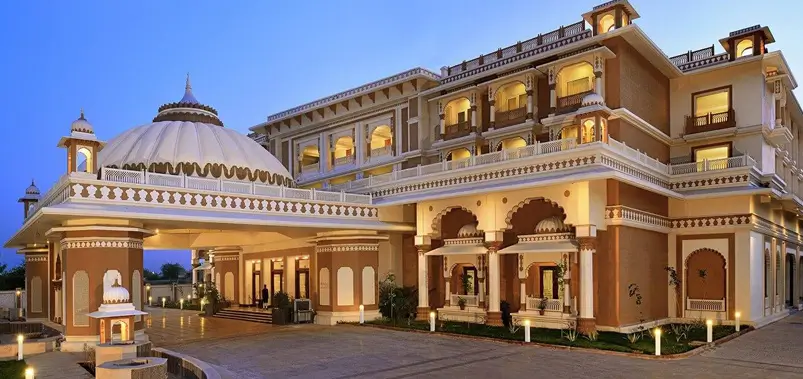
Several of India's most prominent luxury hotel groups operate properties in Jaipur and have made explicit, documented commitments to LGBTQ inclusivity, offering inclusive luxury hotels Jaipur travellers can book with genuine confidence.
The Lalit group has been formally recognised by the International Gay and Lesbian Travel Association (IGLTA) for its commitment to diversity, equity, and inclusion. Beyond formal recognition, The Lalit operates a "Pure Love" loyalty program specifically for queer travellers, offering special privileges across their properties and restaurants. With a Jaipur property as part of their portfolio of twelve upmarket hotels across India, The Lalit represents one of the clearest examples of a luxury Indian hospitality brand actively building LGBTQ inclusive programming rather than simply stating a general non-discrimination policy.
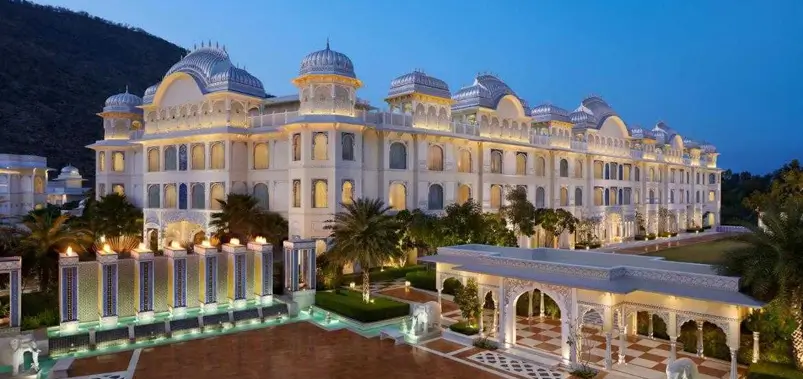
The Leela, another of India's most prestigious luxury hotel groups with a Jaipur property, has stated it welcomes travellers from all backgrounds and maintains a zero tolerance policy toward discrimination, violence, or harassment across its operations. Known for high end service, award winning dining, and curated displays of regional art and craft, The Leela's Jaipur property combines this inclusivity stance with the kind of luxury experience international travellers expect from the brand.
Beyond these two groups, major international luxury chains operating in Jaipur, including properties under Taj, Oberoi, and various international brands, generally maintain corporate diversity and inclusion policies consistent with their global standards, though the depth of specific LGBTQ programming, as opposed to general non-discrimination commitments, varies between properties.
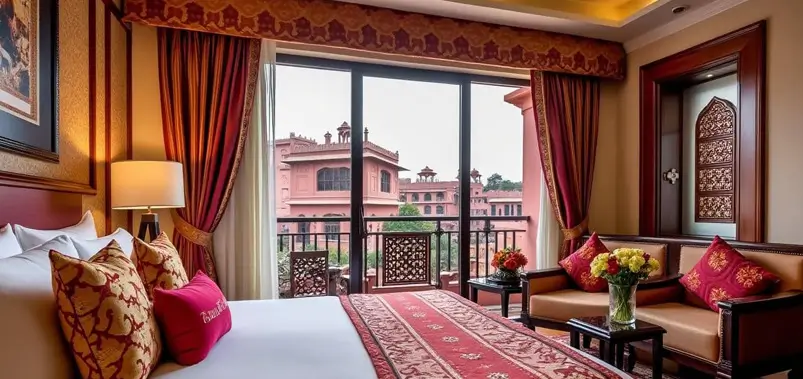 outique accommodation specifically oriented toward LGBTQ travellers. India's first boutique hotel designed specifically for gay men operates with locations in both Delhi and Jaipur, representing a more specialised category of queer friendly travel Jaipur accommodation distinct from mainstream luxury hotels that simply welcome all guests.
For travellers seeking accommodation run by or specifically oriented toward the LGBTQ community, rather than mainstream luxury properties with inclusive policies, these specialised options offer a different kind of experience, often smaller in scale, with a more community oriented atmosphere.
For travellers who want additional reassurance beyond researching individual hotels, several travel companies specialise specifically in LGBTQ travel Rajasthan and broader India itineraries, curating routes and accommodations with LGBTQ travellers specifically in mind.
These operators typically offer curated routes through LGBT welcoming destinations, including Jaipur alongside cities like Goa, Udaipur, and Rishikesh, combined with boutique and heritage hotel options vetted specifically for queer couple comfort. Working with such an operator can be particularly valuable for first time visitors to India, removing much of the uncertainty around researching individual properties and destinations independently.
For travellers booking independently with major luxury chains, a simple but effective practice is to mention LGBTQ travel preferences directly when booking or confirming a reservation. Properties with genuine inclusive policies, particularly those like The Lalit with formal IGLTA recognition, are generally well equipped to respond to such inquiries professionally and reassuringly.
It is worth being clear eyed about what LGBT-friendly hotels Jaipur designations practically mean, since the term is used with varying degrees of substance across the hospitality industry.
At a baseline, it generally means a property will not discriminate against guests based on sexual orientation or gender identity, will not deny accommodation to same sex couples, and will treat all guests with the same standard of service regardless of who they are travelling with. For properties with formal accreditation, such as IGLTA recognition, or specific programming like The Lalit's "Pure Love" initiative, it can mean considerably more, staff training on LGBTQ sensitivity, specific marketing and outreach to LGBTQ travellers, and a demonstrated track record of welcoming this community.
For LGBT travellers, particularly those visiting India for the first time, properties with this deeper level of demonstrated commitment, rather than simply an absence of stated discrimination, often provide the most genuinely comfortable experience, the difference between a hotel that technically will not turn you away and one that has actively built systems and culture around making LGBTQ guests feel welcome.
Experience Jaipur with Comfort, Privacy & Style
From elegant hotel stays to private chauffeur-driven sightseeing, we create travel experiences tailored to your preferences. Discover Jaipur's royal palaces, historic forts, colorful bazaars, and cultural landmarks while enjoying premium service and complete peace of mind throughout your journey.
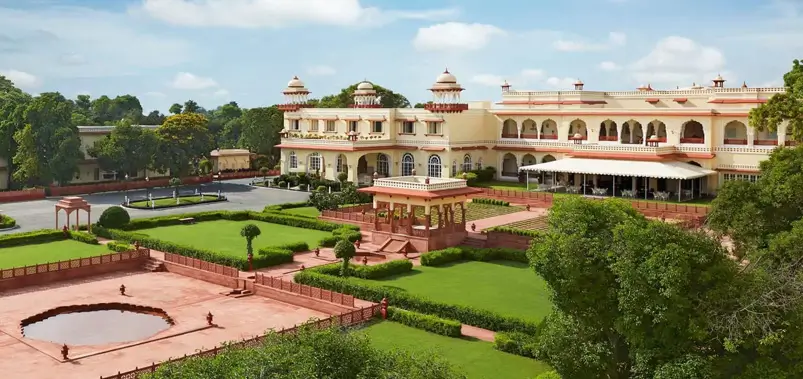
Beyond hotel selection, safe hotels for LGBT travellers India is only part of the picture, broader social context matters too. Jaipur, alongside cities like Udaipur and Jodhpur, is generally described by LGBTQ travel resources as a city that, while culturally traditional, is welcoming to international LGBTQ visitors, with gay friendly neighbourhoods and a generally accepting attitude toward foreign tourists regardless of orientation.
This said, Jaipur is not typically associated with the kind of visible LGBTQ nightlife or community infrastructure found in cities like Mumbai or Delhi, which have established pride events and dedicated LGBTQ social spaces. For travellers specifically seeking LGBTQ community connection or nightlife as part of their trip, this is more realistically found in India's larger metropolitan centres or in Goa, rather than in Jaipur itself.
For most LGBT travellers, Jaipur functions excellently as part of a broader itinerary, the cultural richness, architecture, and experiences the city offers are accessible and enjoyable regardless of orientation, with hotel choice being the primary consideration for ensuring a comfortable base from which to explore.
When booking accommodation, particularly for same sex couples, confirming bed configuration preferences directly with the hotel, rather than assuming, avoids any awkwardness at check-in, a practical step that applies to any couple but can feel particularly worth confirming in advance for LGBT travellers in an unfamiliar destination.
For couples who prefer additional reassurance, properties with explicit LGBTQ programming or accreditation, such as IGLTA recognised hotels, often provide the most straightforward booking and check in experience, since staff are specifically trained around these considerations.
As with general travel advice for India, public displays of affection are best kept minimal in shared or public spaces, a norm that applies broadly across Indian society and is not specific to LGBT couples, but worth being aware of for comfort and cultural sensitivity.
Finally, working with a specialised LGBTQ travel operator, even just for the Jaipur portion of a larger India trip, can provide additional peace of mind, particularly for travellers who want vetted recommendations beyond researching independently.
We promise you a holiday where everything is taken care of from the moment you land. Trusted drivers waiting for you, handpicked hotels that fit your style, personalized itineraries designed just for your family, and a dedicated team on call 24/7. All you need to do is relax, explore, and create unforgettable memories, while we take care of every detail behind the scenes.
Raising the issue directly with hotel management, and if necessary escalating to the corporate level for chains with stated inclusivity policies, is the recommended course of action, alongside considering alternative accommodation for the remainder of the stay.
No. There is no requirement to disclose this information, and reputable hotels do not ask. Some travellers choose to mention preferences simply to ensure comfort, but this is entirely optional.
Major international chains generally maintain global diversity and inclusion policies that extend to their Jaipur properties, though the depth of specific LGBTQ programming varies between brands and properties.
Yes. Jaipur, alongside Udaipur and Jodhpur, is commonly included in LGBTQ-focused Rajasthan itineraries, offering cultural richness alongside accommodation options with demonstrated inclusivity.
Yes. Mentioning preferences directly, particularly with hotels known for inclusive policies, is a reasonable and often well-received practice that can help ensure a comfortable stay.
At a minimum, it means non-discrimination toward LGBTQ guests in accommodation and service. Hotels with formal accreditation or dedicated programming, such as IGLTA recognition, typically offer a deeper, more proactively welcoming experience.
Jaipur is not typically known for visible LGBTQ nightlife or dedicated community spaces, which are more commonly found in larger cities like Mumbai, Delhi, or in Goa.
Yes. Several travel companies specialise in LGBTQ-focused India itineraries, curating accommodations and routes, including Jaipur, with queer travellers specifically in mind.
Public displays of affection are generally uncommon in India for couples of any orientation, and discretion in public spaces is commonly recommended, reflecting broader social norms rather than LGBT-specific restrictions.
Yes. India's first boutique hotel designed specifically for gay men operates with a location in Jaipur, offering a more community-oriented alternative to mainstream luxury hotels.
Confirming bed preferences directly with the hotel when booking is a sensible practice for any couple and helps avoid any uncertainty at check-in.
Reputable hotels, particularly those with inclusive policies, will not question guests about their relationship and will process bookings the same as for any couple.
The Lalit group has been recognised by the International Gay and Lesbian Travel Association (IGLTA) and operates a dedicated loyalty program for queer travellers, with a property in Jaipur as part of their portfolio.
Yes. India decriminalised consensual same-sex relationships between adults in 2018, though same-sex marriage is not currently legally recognised.
Generally yes. Jaipur is described by LGBTQ travel resources as welcoming to international visitors, particularly when staying at hotels with demonstrated inclusive policies and using reasonable discretion in public spaces, as is common practice broadly across India.