Among the more unusual entries on a Jaipur itinerary, somewhere between the bazaars and the bedtime, sits the option of having your palm read or your birth chart analysed by an astrologer whose family has been doing exactly this for generations. For travellers curious about astrologers in Jaipur and palmists in Jaipur, the question is rarely whether the practice is "real" in a scientific sense, but whether it is a worthwhile, meaningful experience to have while in the city.
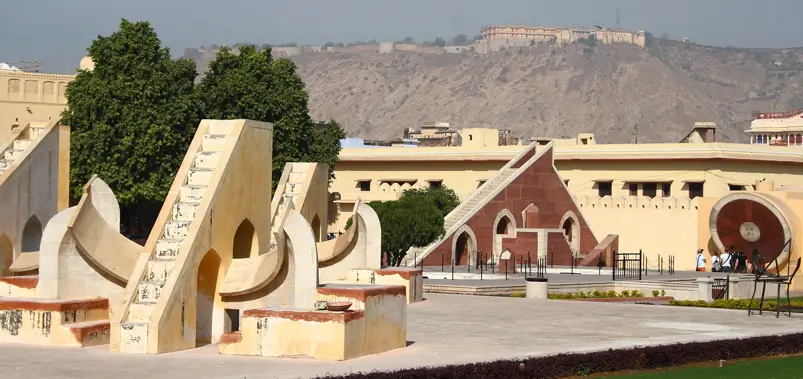
Jaipur has a particularly strong claim to this kind of experience. The city's connection to astronomy and astrology runs deep, most visibly through Jantar Mantar, the eighteenth century observatory built specifically for astronomical and astrological calculations, and Vedic astrology Jaipur practitioners draw on a tradition that has been continuously practiced here for centuries.
This guide takes an honest look at what an astrology or palmistry reading in Jaipur actually involves, what to expect, how to find a reputable practitioner, and ultimately, whether it is worth adding to your trip.
To understand why astrology reading Jaipur experiences carry a certain weight beyond novelty, it helps to know the city's history. Jaipur was founded by Maharaja Sawai Jai Singh II, himself a noted astronomer who built Jantar Mantar, an extraordinary collection of architectural astronomical instruments still used today to demonstrate, with remarkable accuracy, positions of celestial bodies and the passage of time.
This royal patronage of astronomy and astrology established Jaipur as a centre of learning in these fields, a reputation that has continued through generations of astrologers and palmists who trace their knowledge through family lineages, sometimes citing teachings passed down for many decades or longer.
For travellers, this context matters. A reading in Jaipur is not simply a tourist novelty invented for visitors, it is an encounter with a tradition that has deep local roots and remains genuinely practiced by Jaipur residents themselves, not just offered to foreigners.
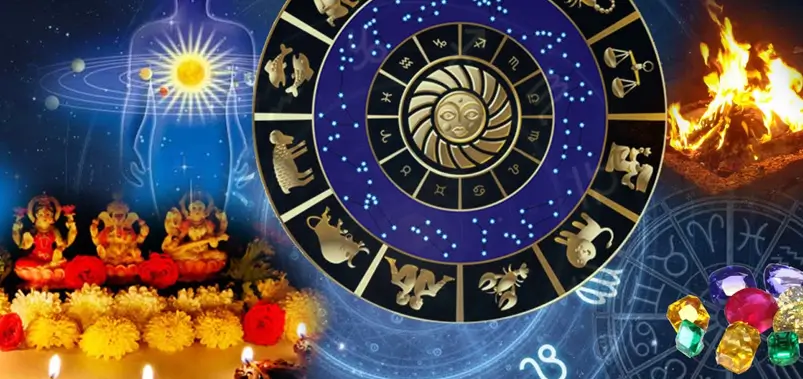
Vedic astrology, known as Jyotish, is based on the position of celestial bodies at the precise moment of a person's birth, used to construct a birth chart, or kundali, that practitioners interpret to offer insights into personality, life events, and timing of significant periods in a person's life. A full Vedic astrology reading typically requires accurate birth details, date, time, and place of birth, and more detailed readings can take considerable time to prepare.
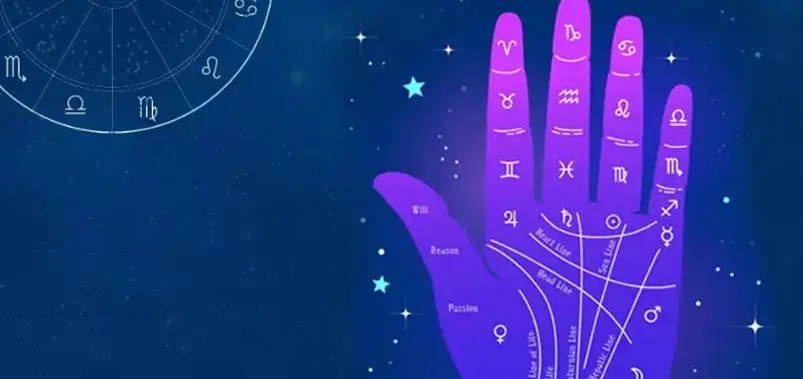
Palmistry, by contrast, is based on reading the lines, shapes, and features of a person's hands, requiring no advance information at all. A palm reading Jaipur session can happen spontaneously, the palmist simply examines the lines of life, heart, and head, among others, and offers interpretations based on what they observe.
Many practitioners in Jaipur offer both, sometimes alongside related practices like numerology (interpreting significance in names and numbers associated with a person) and face reading. For travellers without their precise birth time on hand, a palmistry session is often the more practical option for a spontaneous experience, while a Vedic astrology reading benefits from having birth details prepared in advance.
For first time visitors, knowing roughly what to expect makes the experience considerably more comfortable.
A typical session begins with the astrologer or palmist asking some basic questions, your name, sometimes your birth details if doing a Vedic reading, or simply asking to see your palms for a palmistry session. The practitioner then spends time examining either your birth chart or the lines and features of your hands, often in a focused, quiet manner that can feel surprisingly intimate for what might have started as a casual tourist activity.
What follows is typically a discussion covering broad areas of life, career, relationships, health, and significant life periods, with the practitioner offering observations and predictions based on what they have read. Many practitioners also offer "remedies", suggestions ranging from specific gemstones to wear, mantras to recite, or particular practices to follow, intended to address challenges identified during the reading.
Sessions can range from brief, informal readings lasting fifteen to twenty minutes to considerably longer, more detailed consultations, particularly for full Vedic astrology birth chart analyses, which can run to an hour or more.
This is the central question, and the honest answer depends entirely on what you are looking for.
As a cultural experience, a reading with a reputable astrologer or palmist in Jaipur offers a genuinely different kind of interaction than typical sightseeing, a one on one conversation with a local practitioner working within a tradition with centuries of history, often conducted with a level of attention and seriousness that can feel quite different from a typical tourist transaction. Many travellers describe it as one of the more memorable, personal moments of their trip, regardless of whether they place stock in the predictions themselves.
As a source of genuine insight, this is more personal. Some travellers find that a skilled practitioner offers observations that feel surprisingly perceptive, sometimes about personality traits or current life circumstances that the practitioner could not have known in advance. Others find the experience interesting but ultimately treat it as entertainment rather than guidance. Neither response is "wrong", and going in with curiosity rather than either firm belief or dismissive skepticism tends to lead to the most enjoyable experience either way.
As something to take seriously for major decisions, this is where caution is worth exercising. While astrology holds genuine cultural and personal significance for many people, both in India and internationally, it should not replace professional advice for medical, legal, financial, or other significant life decisions, regardless of how compelling a reading might feel in the moment.
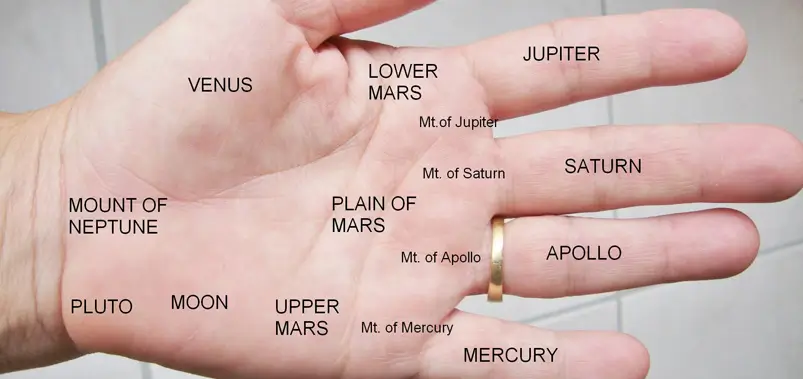
With astrologers in Jaipur ranging from highly established, multi generational practitioners to less formal operators targeting tourists specifically, a little research goes a long way.
Reputable astrologers and palmists in Jaipur often have an established physical address, sometimes operating from a family home or office that has been in the same location for years or decades, rather than operating purely from informal street side setups aimed at passing tourists. Established practitioners are also frequently recognised within the broader astrology community, sometimes through awards, media appearances, or published writing on Vedic astrology.
Reviews, while always worth taking with some perspective, can be useful for getting a sense of a practitioner's reputation, communication style, and whether they offer English language readings, an important practical consideration for international visitors.
For travellers who want a more curated introduction, some experiences are specifically structured around Jantar Mantar, combining a guided exploration of the astronomical instruments with an introduction to how Vedic astrology calculations are made, before optionally connecting visitors with a practitioner for a personal reading. This kind of framing situates the personal reading within its broader historical and astronomical context, which many visitors find adds considerably to the experience.
Jaipur astrology experience pricing varies considerably depending on the practitioner's reputation and the depth of the reading. Brief palmistry sessions or short consultations tend to sit at the more accessible end, while detailed Vedic astrology birth chart analyses from well known practitioners command significantly higher fees, reflecting both the practitioner's reputation and the time involved in preparing a detailed chart.
If pursuing a Vedic astrology reading specifically, having your exact birth date, time, and location ready in advance is important, as the accuracy of a birth chart depends heavily on this information. For palmistry, no advance preparation is needed, making it a more spontaneous option if you decide to try this during your trip without having planned for it specifically.
English language readings are widely available given Jaipur's tourism infrastructure, though confirming this in advance, particularly for more detailed sessions, avoids any communication difficulties during what is often a fairly personal conversation.
Whether or not you find personal meaning in what an astrologer or palmist tells you, the experience itself, sitting across from someone practicing a tradition that has been part of Jaipur's identity since the city's founding, in a city literally designed with astronomical observation in mind, is a genuinely distinctive part of what makes Jaipur different from other stops on a typical India itinerary.
For travellers who approach it with openness and a sense of cultural curiosity, rather than either firm belief or dismissiveness, a reading with an astrologer or palmist often becomes one of those small, personal moments that stand out in memory long after the major monuments have blurred together, not necessarily because of what was predicted, but because of the conversation itself.
We promise you a holiday where everything is taken care of from the moment you land. Trusted drivers waiting for you, handpicked hotels that fit your style, personalized itineraries designed just for your family, and a dedicated team on call 24/7. All you need to do is relax, explore, and create unforgettable memories, while we take care of every detail behind the scenes.
As with any tourist-facing service, it is worth being cautious of practitioners who pressure for expensive "remedies" or repeat visits. Choosing an established, reputable practitioner significantly reduces this risk.
Reactions vary widely. Some travellers find readings surprisingly perceptive and thought-provoking, while others find them interesting primarily as a cultural experience without placing personal weight on the specifics.
Yes. Astrology, including Vedic astrology, palmistry, and Vastu Shastra (architectural astrology), remains widely consulted by local residents for guidance on careers, relationships, health, and major life decisions.
Palmistry sessions can often be done spontaneously without prior arrangement, while detailed Vedic astrology readings, particularly from well-known practitioners, may benefit from advance booking.
Both are widely practiced, often by the same practitioners, alongside related fields like numerology and face reading.
Look for practitioners with an established physical location, recognition within the astrology community, and positive reviews, particularly from international visitors regarding English-language readings.
Remedies are suggestions offered by astrologers, such as wearing specific gemstones, reciting mantras, or following particular practices, intended to address challenges identified during a reading.
While astrology holds cultural and personal significance for many, it should not replace professional medical, legal, or financial advice for significant decisions.
Sessions can range from fifteen to twenty minutes for brief readings to an hour or more for detailed Vedic astrology birth chart consultations.
Jantar Mantar is an eighteenth-century astronomical observatory built by Jaipur's founder, Maharaja Sawai Jai Singh II, and represents the city's deep historical connection to astronomy and astrological calculation.
Yes, many practitioners in Jaipur, particularly those experienced with international visitors, offer readings in English, though confirming this in advance is recommended.
Prices vary widely depending on the practitioner's reputation and the depth of the reading, from relatively accessible brief sessions to significantly higher fees for detailed consultations with well-known astrologers.
For a Vedic astrology birth chart reading, yes, your exact date, time, and place of birth are needed. For palmistry, no advance information is required.
Vedic astrology is based on a birth chart calculated from your exact date, time, and place of birth, while palmistry is based on reading the lines and features of your hands and requires no advance information.
Many travellers find it a genuinely interesting cultural experience, offering a personal, one-on-one interaction with a local tradition, regardless of how much weight they place on the predictions themselves.