A Golden Triangle tour with monument tickets included can make a significant difference to both the final trip cost and the experience on the ground. Delhi, Agra and Jaipur contain some of India's most important ticketed monuments, and international travelers frequently visit several paid attractions during a single private journey.
The headline price of a Golden Triangle package does not always tell the complete story.
One quotation may appear inexpensive because it covers only hotels and transportation. Another may cost considerably more because it includes private guides, monument entrance fees, airport transfers, a larger vehicle, driver expenses and stronger accommodation. Comparing the two prices without comparing the actual inclusions can therefore give a misleading impression.
Monument fees deserve particular attention because foreign visitor ticket prices can be substantially higher than domestic rates. A couple visiting several major attractions across Delhi, Agra and Jaipur can spend a meaningful amount on admissions. A family or private group can see that figure increase quickly.
There is also a practical issue beyond price. Travelers arriving at a major attraction want to spend their time seeing the monument rather than working out which ticket is required, where to purchase it and whether a particular section needs an additional admission.
A properly arranged all inclusive Golden Triangle tour with monument tickets can remove much of this friction. Tickets can be incorporated into the overall land arrangement, while a professional local guide can coordinate the sightseeing visit according to the day's schedule.
Golden Triangle Tours can arrange private journeys in which accommodation, transportation, guides, airport transfers and monument admissions are combined according to the traveler's requested level of service. The important point is that the quotation should identify every inclusion clearly rather than relying on the words “all inclusive.”
Travelers often spend considerable time comparing hotel rates and private vehicle costs while treating monument entrance fees as a minor expense. Across a multi city itinerary, however, admission charges can become a noticeable part of the total holiday budget.
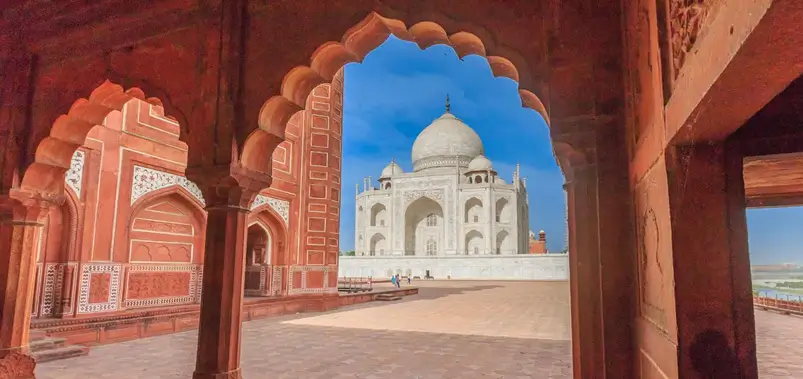
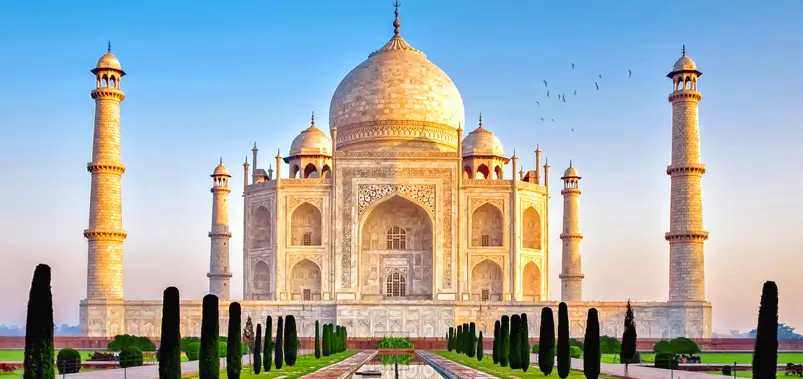
The Taj Mahal ticket price for foreign tourists is one of the first charges international travelers are likely to encounter in Agra. Foreign visitors should generally allow roughly ₹1,100 for standard entry, with an additional charge required for access to the main mausoleum. Rates and official conditions can change, so the applicable admission should always be checked for the actual travel date.
For a couple, that means the Taj Mahal alone represents a meaningful sightseeing expense before a guide, transportation or other attractions are considered.
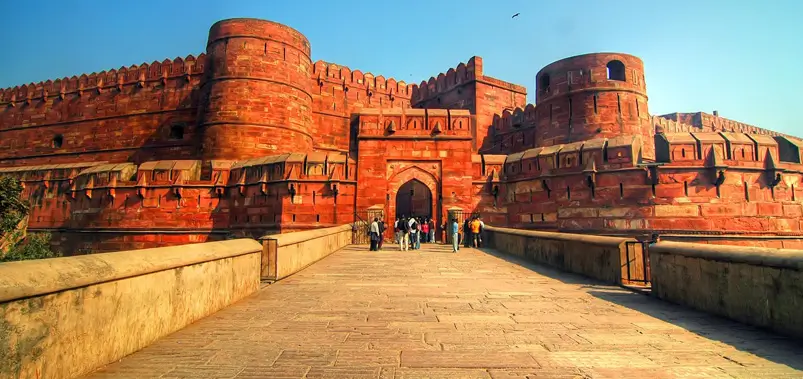
Agra Fort requires another admission. The fort is not simply an optional secondary attraction for travelers interested in Mughal history. Its palaces, defensive architecture and connection with the Mughal emperors make it one of Agra's major sightseeing sites. Foreign visitor admission is normally priced separately from the Taj Mahal.
Travelers adding Itmad-ud-Daulah, Mehtab Bagh or Fatehpur Sikri create further admission expenses. Each individual ticket may look manageable, but several attractions across multiple days produce a very different total.
Delhi has the same issue.
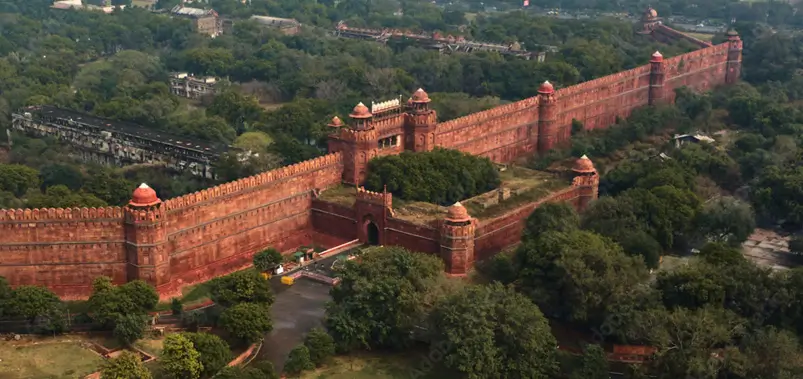
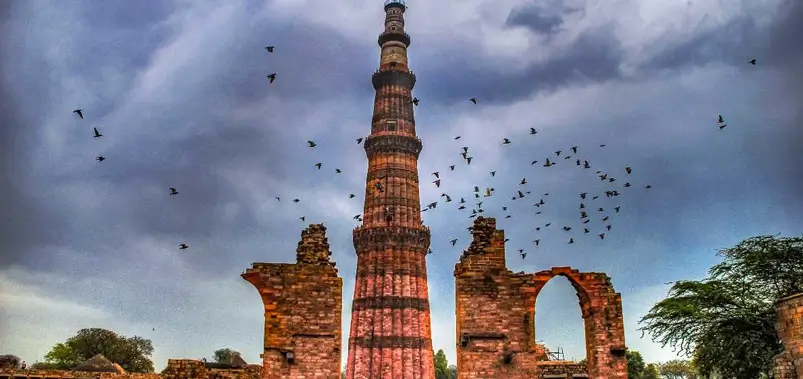
Major ticketed attractions can include Qutub Minar, Humayun's Tomb and the Red Fort, depending on the sightseeing schedule. Some religious sites and public landmarks may not carry a conventional tourist entrance charge, but the primary archaeological attractions generally require paid admission.
Jaipur then adds another substantial group of paid attractions.
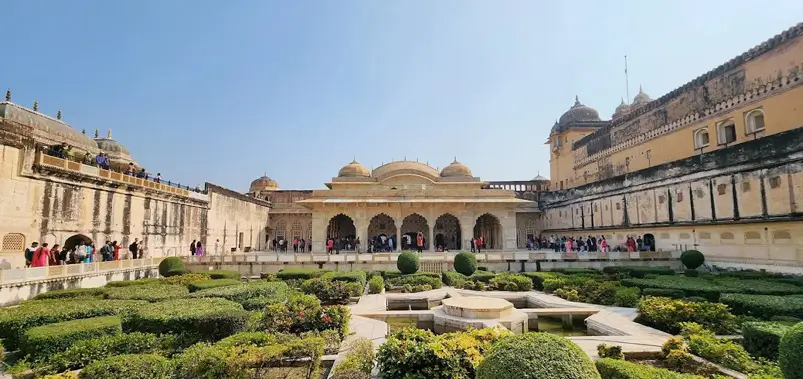
Amber Fort tickets, City Palace admission and Jantar Mantar entrance are among the common costs faced by international visitors. Jaipur City Palace is particularly important when comparing package quotations because different areas and experiences can have different ticket structures. Premium access can cost considerably more than basic admission.
This is why a package advertised at a low headline price should be examined carefully.
Imagine two travelers receive a quote for a private Delhi, Agra and Jaipur trip. Package A is cheaper but excludes every monument ticket. Package B costs more but includes admission to the principal sites.
The difference between the two packages becomes smaller once the travelers calculate the tickets they will actually purchase.
The same principle applies to guides. A low cost package may leave the traveler arranging a guide independently at each destination. Another may already include professional guide services.
For a Golden Triangle package with tickets and guides, the value lies partly in having a predictable land cost. Instead of maintaining a separate daily budget for sightseeing admissions, the major attractions can already be accounted for.
Families and private groups should pay particular attention to this point. Ticket expenses multiply with the number of travelers. What feels like a relatively small difference for one person becomes much more substantial for six or ten guests.
The safest approach is to request an attraction by attraction inclusion list.
Rather than accepting the phrase “all sightseeing included,” travelers should know whether the quotation covers the Taj Mahal, Agra Fort, Fatehpur Sikri, Amber Fort, Jantar Mantar, City Palace and the selected ticketed monuments in Delhi.
Clear pricing is far more useful than a vague package label.
A strong Delhi Agra Jaipur tour with entrance tickets should match the actual sightseeing itinerary. There is little value in advertising “all monument tickets” if the itinerary does not specify which monuments the traveler will visit.
Delhi normally requires a selective approach because the city contains far more attractions than can comfortably fit into one sightseeing day.
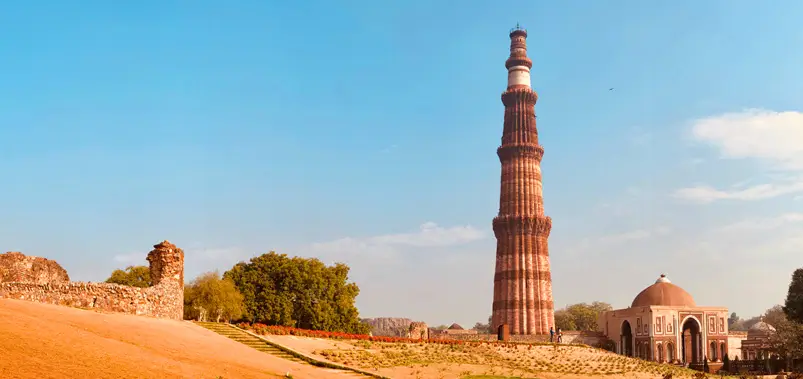
Qutub Minar is one of the principal ticketed archaeological sites. The complex contains much more than the famous tower itself, and travelers interested in architecture should allow enough time rather than treating it as a quick photograph stop.
Humayun's Tomb is another important paid attraction. Its Mughal garden tomb architecture makes it particularly relevant before visiting the Taj Mahal because travelers can see architectural ideas that later reached an extraordinary level in Agra.
Red Fort can also form part of an Old Delhi itinerary. Travelers should remember that opening conditions, weekly closures and security arrangements can affect sightseeing schedules, so a private itinerary should not be constructed around ticket prices alone.
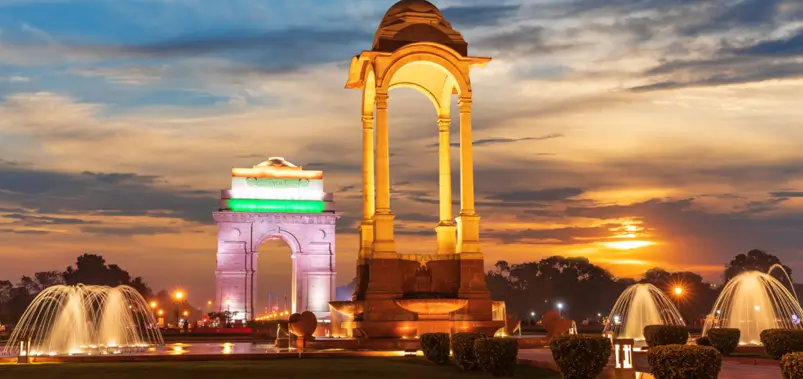
Delhi also contains important places where the experience is not driven by a standard monument admission fee. India Gate, Gurudwara Bangla Sahib and several religious sites work differently from ticketed archaeological monuments. The itinerary should therefore distinguish between “sightseeing included” and “entrance tickets included.”
Agra is where ticket inclusions become especially important.
The Taj Mahal entrance fee should be explicitly addressed. Travelers should also know whether their ticket includes only entry to the complex or whether access to the main mausoleum is covered. A professionally prepared quotation should not leave this detail until the entrance gate.
The Taj Mahal is normally closed to general tourists on Friday. That operational detail is more important than any ticket saving. A private tour arriving in Agra on the wrong day cannot compensate for poor scheduling simply by having prepaid admission.
For sunrise visits, travelers usually leave the hotel well before the monument opens. The exact departure depends on hotel location, security procedures, seasonal sunrise and the selected entrance gate.
Agra Fort should normally be included when it forms part of the itinerary. Travelers with additional time may also visit Itmad-ud-Daulah, often called the Baby Taj, or Mehtab Bagh for views toward the Taj Mahal.
Fatehpur Sikri is frequently visited while traveling from Agra toward Jaipur. The historical complex sits outside central Agra, so both admission and transport logistics need to be considered.
Jaipur presents a different ticketing environment because visitors may choose between individual attraction tickets and broader sightseeing options.
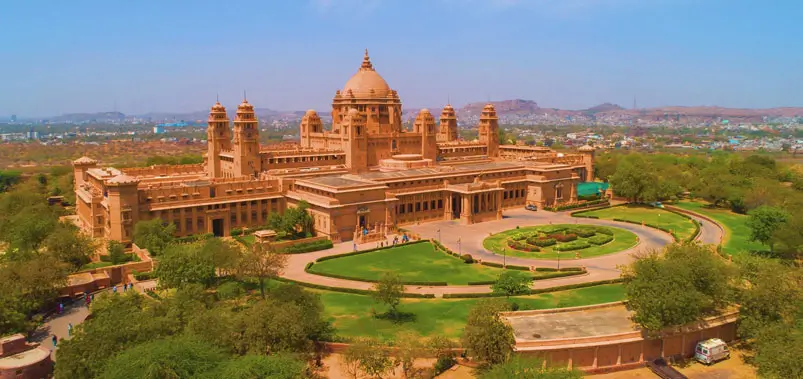
Amber Fort is one of the essential paid attractions for most first time visitors. The fort can become busy during peak sightseeing hours, making an early departure valuable.
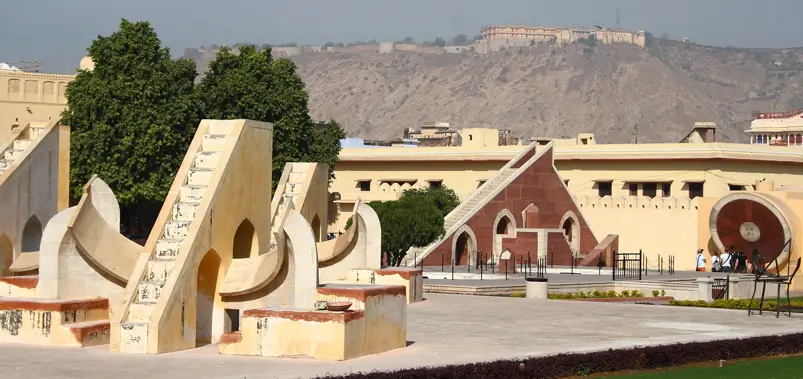
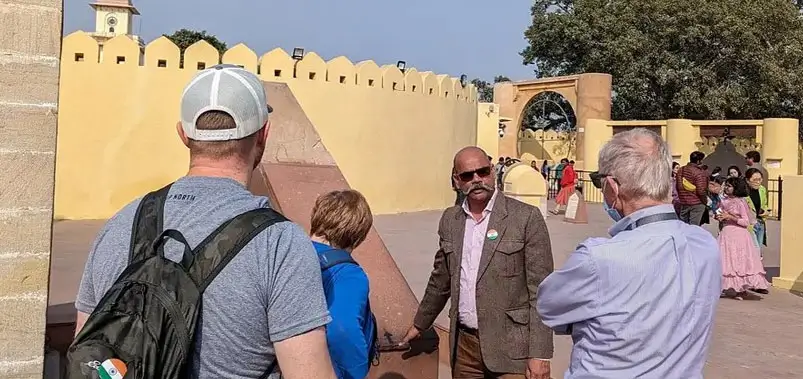
Jantar Mantar is another important ticketed attraction in the old city. The astronomical instruments make considerably more sense with a knowledgeable guide who can explain their purpose rather than simply walking between structures.
City Palace requires careful attention because the palace offers different access levels. Basic entry and premium sections are not necessarily equivalent. Travelers expecting access to highly photographed private or royal areas should verify exactly which ticket has been included.
This distinction illustrates an important rule for every Golden Triangle tour including sightseeing tickets: the name of the monument is not always enough. The ticket category may matter too.
A transparent quotation should therefore identify the principal paid monuments and, where relevant, the admission level being provided.
Whether an all inclusive Golden Triangle package represents better value depends on the traveler's priorities. The benefit is not necessarily that every ticket becomes cheaper. The stronger advantage is predictability, coordination and reduced decision making during the trip.
Independent travelers can certainly purchase monument tickets separately. For experienced India visitors who enjoy managing every detail themselves, this may work perfectly well.
The situation is different for a first time international visitor moving through three cities in less than a week.
Every separate transaction requires attention. The traveler needs to know the correct ticket, applicable visitor category, operating day, entry procedure and whether additional access is required. None of these tasks is particularly difficult in isolation, but together they create another layer of administration during a holiday.
A private Golden Triangle tour with tickets included shifts much of that coordination to the operator.
This can be especially useful for couples who want a seamless private trip, families managing children, senior travelers who prefer fewer queues and payment decisions, and groups where collecting money from multiple guests at each attraction becomes inconvenient.
Predictable expenditure is another advantage.
Suppose a couple purchases a low headline price tour believing that most sightseeing expenses are covered. After arrival, they learn that monument admissions, guides, several transfers and driver related expenses are separate.
The original bargain no longer looks as attractive.
A higher quotation that clearly includes these services may produce a lower level of financial uncertainty even if its initial price is greater.
This is particularly relevant to luxury Golden Triangle tours. A traveler paying for premium hotels and a private SUV usually does not want the experience interrupted by repeated small transactions at every sightseeing stop. Incorporating the principal admissions into the land arrangement creates a service level more consistent with the overall trip.
There are, however, situations where excluding tickets makes sense.
Some travelers do not want to visit every monument in a standard itinerary. Someone who has previously visited Delhi may want only Agra and Jaipur sightseeing. A photographer may spend several hours at one site and skip two others. A family traveling with young children may decide on the day that the group needs an afternoon at the hotel.
In such cases, paying for every possible admission in advance could reduce flexibility.
The solution is not automatically to include or exclude every ticket. The solution is to build the ticket arrangement around the actual itinerary.
A good operator should be able to prepare a package containing the principal confirmed attractions while leaving genuinely optional activities outside the fixed price.
Travelers should also distinguish between ticket inclusion and priority access.
A ticket does not necessarily create a private entrance, eliminate security screening or guarantee an empty monument. Famous attractions such as the Taj Mahal maintain security and visitor control procedures that apply regardless of whether admission was purchased independently or arranged through an operator.
Travelers should be cautious of exaggerated claims suggesting that an ordinary tour package can bypass official security or provide special access that is not genuinely available.
Premium service should mean efficient coordination, correct tickets, professional assistance and realistic scheduling—not impossible promises.
Monument tickets are important, but they should never become the only reason to select a Golden Triangle private tour package.
The majority of the trip is spent outside ticket counters.
Travelers sleep in the selected hotels every night. They spend hours in their vehicle. They interact with their driver throughout the route and depend on local guides to make major historical sites meaningful.
A package with every ticket included can still provide poor value if the hotels are inconvenient, the vehicle is too small or the sightseeing schedule is unrealistic.
Accommodation should therefore be evaluated carefully.
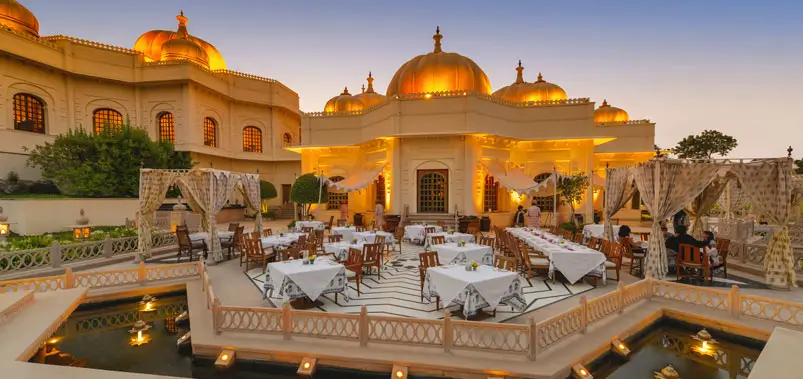
Four star hotels can provide good comfort for travelers who want to keep the overall package within a moderate premium budget. Strong five star properties can offer better rooms, facilities, restaurants and service. Palace and luxury hotels can make accommodation itself part of the travel experience.
Travelers should request hotel names before confirmation whenever possible.
A phrase such as five star Golden Triangle package does not guarantee a specific property, room category or location.
Transportation deserves the same scrutiny.
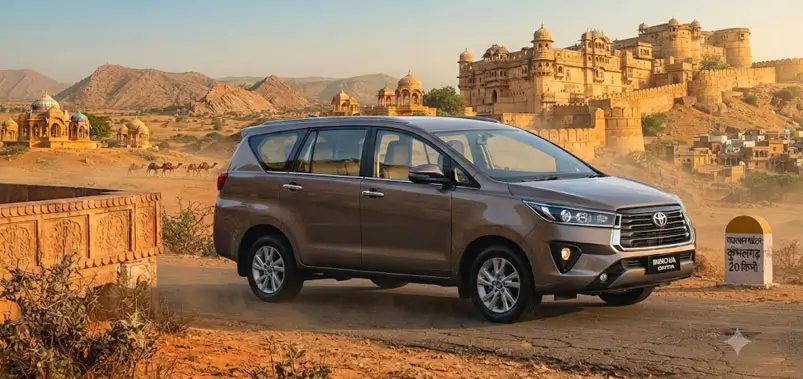
For two travelers with limited luggage, a sedan may be sufficient. For international visitors carrying large suitcases, an SUV such as an Innova Crysta can offer significantly more practical space. Families and groups may require a Tempo Traveller or coach.
The vehicle quotation should address fuel, tolls, parking, interstate charges and driver expenses.
A professional driver remains one of the most important people on a private road trip. Delhi to Agra and Agra to Jaipur involve intercity travel, while sightseeing within each destination requires numerous local transfers.
The driver should provide safe, reliable transportation and coordinate pickup times, but professional sightseeing interpretation should come from qualified local guides.
A Golden Triangle tour with private guides can provide much greater depth at the Taj Mahal, Agra Fort, Amber Fort, Jantar Mantar and Delhi's historical sites.
For foreign language travelers, Spanish, French or German speaking guides may be requested. Availability can vary, and specialist language guides may command higher fees than standard English speaking services.
The best all inclusive arrangement therefore combines four elements: suitable accommodation, comfortable private transportation, knowledgeable guides and clearly defined admissions.
Removing any one of those elements solely to create the lowest advertised price can weaken the overall trip.

The smartest way to compare Golden Triangle tour prices is to place competing quotations side by side and ignore the headline total for the first few minutes.
Start with accommodation.
Are both quotations using the same hotel category? Are the proposed properties actually comparable? Is breakfast included? What room category has been quoted? Are taxes covered?
Then compare transportation.
Is one operator offering a sedan while another provides an Innova Crysta? Are tolls and parking included? Does the vehicle remain private throughout the itinerary? Are airport transfers covered?
Guide services should then be checked city by city.
A quotation saying “guide included” should indicate whether a guide is provided in Delhi, Agra and Jaipur or only at selected attractions.
Next comes the monument ticket inclusion.
Which admissions are covered? Is the Taj Mahal included? Does the Taj Mahal arrangement include the additional mausoleum access where required? Are Agra Fort, Fatehpur Sikri, Amber Fort and selected Delhi attractions included? What type of City Palace admission is provided?
Meals can create another significant difference.
Most hotel packages include breakfast, while lunch and dinner may be excluded. One quotation may contain half board or selected restaurant meals, making it more expensive for a legitimate reason.
Taxes and service charges should also be considered.
A quotation that appears cheaper before applicable taxes may not remain cheaper when the final payment amount is calculated.
The same principle applies to optional experiences.
Elephant related activities, cultural performances, cooking experiences, special dinners, premium palace access and other additions should not be silently assumed to form part of the standard sightseeing package.
When travelers compare every category, the real value becomes much easier to see.
A slightly higher Golden Triangle all inclusive tour price can be the better purchase when it provides superior hotels, a more comfortable vehicle, professional guides and meaningful admissions.
Price comparison only works when the services being compared are genuinely similar.
The best time to resolve questions about a Golden Triangle tour with monument tickets is before the booking deposit is paid.
Travelers should provide their arrival and departure details, number of guests, preferred hotel standard, room requirements and approximate sightseeing interests. This allows the quotation to reflect the actual trip rather than an unrealistic generic price.
The itinerary should then show the overnight cities and proposed sightseeing flow.
Special attention should be paid to the Taj Mahal visit. Because Friday closure affects general tourist entry, the Agra overnight should be positioned appropriately. Travelers wanting sunrise should also state that preference before the itinerary is finalized.
Hotel names should be confirmed or clearly identified as proposed properties subject to availability.
Vehicle category should appear in writing.
The quotation should specify whether the trip uses a sedan, SUV, Innova Crysta, Tempo Traveller or coach. Travelers with substantial luggage should mention this before the vehicle is selected.
Guide language should also be requested early. English speaking guides are generally easier to arrange than specialist foreign language guides.
Most importantly, the package should contain separate inclusion and exclusion sections.
A clear all inclusive Golden Triangle tour quote might include accommodation, breakfast, private vehicle, professional driver, fuel, tolls, parking, airport transfers, local guides and specified monument admissions.
The exclusion section may contain international flights, travel insurance, personal shopping, laundry, alcoholic drinks, unspecified meals, optional activities and gratuities.
Golden Triangle Tours can structure private journeys according to these individual requirements rather than treating every traveler as though they require identical services.
For travelers seeking a smooth private holiday, the strongest package is usually not the one promising the largest number of inclusions in a headline. It is the one that defines those inclusions precisely and delivers a sensible itinerary behind them.
A Golden Triangle tour with entrance fees included becomes particularly worthwhile when the traveler wants predictable costs, professional coordination and fewer payment decisions during sightseeing.
That combination can make Delhi, Agra and Jaipur feel like one coherent private journey rather than a collection of separately purchased travel services.
We promise you a holiday where everything is taken care of from the moment you land. Trusted drivers waiting for you, handpicked hotels that fit your style, personalized itineraries designed just for your family, and a dedicated team on call 24/7. All you need to do is relax, explore, and create unforgettable memories, while we take care of every detail behind the scenes.
It can be when the higher price genuinely covers services the traveler would otherwise purchase separately. The strongest value comes from combining suitable hotels, private transportation, professional guides, airport transfers and confirmed monument admissions with transparent exclusions rather than simply selecting the lowest advertised package price.
Check hotels, breakfast, private vehicle, fuel, tolls, parking, driver allowance, airport transfers, local guides, applicable taxes, optional experiences and meals. International flights, travel insurance, personal purchases and gratuities commonly remain separate.
Not automatically. A monument ticket provides admission, while a private guide is a separate service. A Golden Triangle tour with private guide and tickets should explicitly list both services.
Independent purchase can suit travelers who want maximum day-to-day flexibility. Including confirmed admissions in a private package can be more convenient for first-time visitors, families, senior travelers and groups seeking predictable land costs.
No. City Palace has different access options, and premium areas may require more expensive admission. Travelers should verify the exact ticket category when Jaipur monument tickets are included in their package.
No. Official security procedures still apply. Having the correct ticket arranged in advance can make the visit more convenient, but it does not remove mandatory security screening or official visitor-control procedures.
No. The Taj Mahal is normally closed to general tourists on Fridays. This should be taken into account when arranging the Agra portion of a private Golden Triangle itinerary.
It can be. Travelers should verify whether the Taj Mahal ticket is specifically listed in the inclusions and whether the quoted admission covers access to the main mausoleum where applicable.
The total depends on the attractions selected and the visitor category. International travelers visiting several paid monuments in Delhi, Agra and Jaipur should allow a meaningful sightseeing budget because foreign visitor admission rates are generally higher than domestic rates. Premium sections at certain attractions can increase the total further.
Not always. Some Golden Triangle tour packages include hotels, transportation and guides while leaving entrance fees payable by the traveler. Others incorporate specified monument tickets into the total package. The written quotation should identify exactly which attractions are included.