The first question many travelers ask before booking India is straightforward: How much does a Golden Triangle Tour cost? The answer is less simple because Delhi, Agra, and Jaipur can be experienced at dramatically different standards. Two travelers can follow almost the same route, visit many of the same monuments, spend the same number of nights, and still receive quotations that differ by several thousand dollars. The reason is that the final price depends on far more than distance between cities. Hotel brand, room category, travel season, vehicle type, number of travelers, private guide standard, monument tickets, meal plan, airport assistance, special experiences, cancellation terms, domestic travel, and even the pace of the itinerary can change the final amount substantially.
For an American traveler considering a private Golden Triangle Tour, the most useful approach is to stop looking for one universal package price and instead understand how a serious quotation is built. A five night trip using standard four star hotels and a private sedan is a completely different product from an eight night itinerary using Oberoi, Taj, Leela, palace hotels, premium SUVs, licensed private guides, private dining, upgraded rooms, and carefully timed experiences. Both may be called a Golden Triangle Tour, but they should never be compared purely on the final dollar amount.
A realistic premium private tour for two travelers should generally be budgeted on the higher side. A comfortable six to seven night private journey using strong five star hotels can often fall around $3,500 to $5,500 per couple, depending on dates and exact inclusions. A stronger luxury itinerary using leading hotels, higher vehicle categories, private guiding, selected premium experiences, and upgraded room types can move toward $6,000 to $9,000+ per couple. Once travelers begin selecting iconic hotels such as The Oberoi Amarvilas in Agra, palace properties in Jaipur, premium suites, private dining, luxury airport transfers, or additional destinations, the cost can rise above $10,000 per couple without difficulty.
Those numbers should be treated as realistic budgeting guidance rather than fixed tariffs. Luxury hotels in India use dynamic pricing, vehicle suppliers change rates, monument fees can be revised, and seasonal demand affects nearly every part of the journey. That is precisely why a properly prepared Golden Triangle Tour quote should be personalized rather than copied from a generic rate card.

A well-prepared quotation begins with accommodation because hotels usually create the largest difference between two otherwise similar itineraries. Delhi alone offers everything from comfortable business hotels to internationally recognized luxury properties costing several hundred dollars per night. Agra can be relatively affordable if travelers choose a reliable five star hotel away from the Taj Mahal, or extremely expensive if they select a room with a premium Taj Mahal view at one of the city's most prestigious properties. Jaipur creates even more variation because travelers can choose modern five star hotels, historic havelis, heritage palaces, or ultra luxury resorts.
For a premium private journey, travelers should expect a strong five star hotel to cost approximately $200 to $400+ per room per night during many travel periods. More prestigious properties can move toward $400 to $800+ per night, while iconic palace hotels and monument view properties may cost $800 to $1,500+ per night. Suites can rise far above these figures. A two night upgrade from a conventional luxury room to an iconic suite can therefore add several thousand dollars to the tour without changing anything else in the itinerary.
Room type is equally important. A quotation listing only the hotel name is incomplete. Travelers should know whether the rate includes a base room, premium room, club room, heritage room, view room, suite, or another category. In Agra, the difference between a standard luxury room and a highly desirable Taj Mahal facing category can be significant. In Jaipur, palace hotels often contain multiple heritage room types with very different size, décor, and historical character. If a couple is traveling for a honeymoon or anniversary, the room category may matter as much as the hotel itself.
Meal basis also affects price. Most quality private India packages include breakfast, but lunch and dinner may be handled separately. Some travelers prefer flexibility because they want to select restaurants independently. Others prefer a more inclusive package with several meals prepaid. A good luxury lunch or dinner at a leading hotel can easily cost $40 to $100+ per person, and private dining, tasting menus, alcohol, or special setups can go much higher. When comparing two quotations, travelers should check whether meals are included rather than assuming the cheaper package provides the same dining standard.
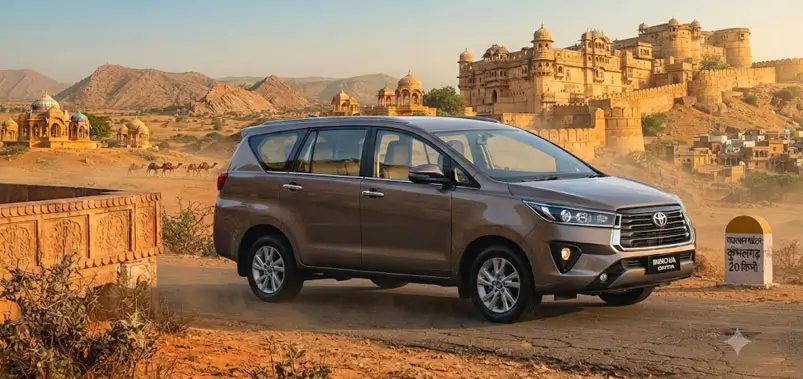
Transportation is the next major component. A private Golden Triangle itinerary should normally include a chauffeur driven air-conditioned vehicle from arrival through the road sectors of the trip. A basic sedan may be sufficient for two travelers with light luggage, but a premium SUV or larger luxury vehicle provides substantially more comfort over longer drives. Delhi to Agra generally requires several hours. Agra to Jaipur can take four to five hours. Jaipur to Delhi can be another long road day. The difference between sitting comfortably in a spacious premium vehicle and spending these journeys in a cramped car becomes increasingly important after several days.
A standard private sedan might add approximately $70 to $120 per day to the operating cost once chauffeur service, fuel, tolls, parking, and normal allowances are considered. A larger premium SUV or high quality MPV can run around $120 to $220+ per day. Luxury brand vehicles can cost $300 to $700+ per day, and specialized VIP vehicles can exceed that amount considerably. These are broad market level budgeting figures rather than fixed supplier tariffs, but they demonstrate why two “private car” quotations can be very different.
The driver's cost should not be considered separately from the vehicle. A proper private transport quotation should generally account for the chauffeur, fuel, tolls, parking, interstate charges where applicable, and driver allowances. Travelers should ask whether night charges or additional mileage can be added later. A professional quotation should make these terms clear from the beginning.
Guides also affect the package. Delhi, Agra, and Jaipur are large enough historically that most first time international travelers benefit from a private guide in each city. A licensed English speaking guide may cost approximately $40 to $100+ per day, depending on city, expertise, language, duration, and demand. Specialist guides with academic, architectural, photographic, or language expertise may cost more. At the luxury level, paying slightly more for stronger guiding can dramatically improve the trip. A mediocre guide can turn the Taj Mahal into a checklist. An excellent guide can explain architecture, history, symbolism, court politics, conservation, and practical details while still allowing the traveler time to appreciate the monument.
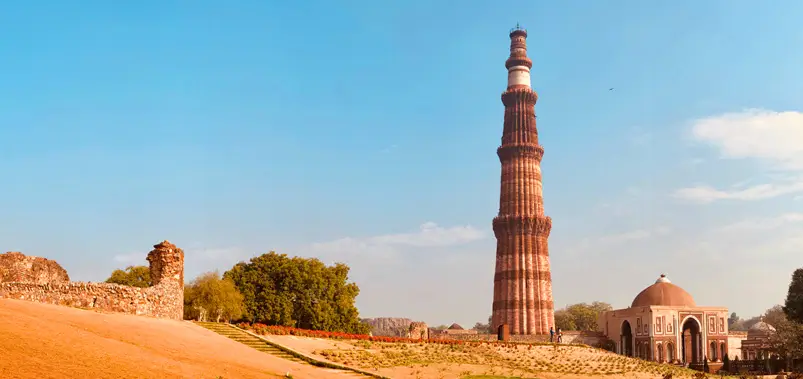
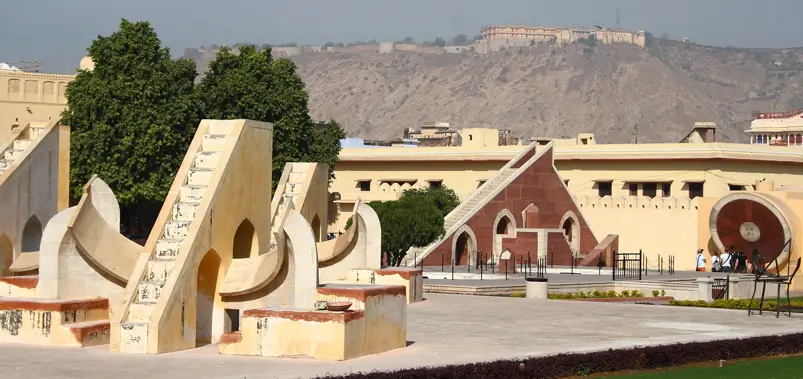
Monument tickets are another cost that should be addressed clearly. The Taj Mahal, Agra Fort, Amber Fort, City Palace, Jantar Mantar, Humayun's Tomb, Qutub Minar, and other major sites have admission charges. Foreign visitor rates are generally higher than domestic rates at many government managed monuments. Across a complete Golden Triangle itinerary, a couple can reasonably expect several hundred dollars in combined admissions once premium monument tickets, museum access, and optional sites are included. The exact amount changes according to the itinerary and any tariff revisions, which is why the quotation should state whether admissions are included or excluded.
Airport transfers, representative assistance, bottled water, hotel taxes, GST where applicable, porterage, and arrival support may appear minor individually, but together they can change the total. A cheap package often looks attractive because many of these components have been removed from the first quotation. Travelers should compare complete services rather than headline prices.
Season is one of the strongest influences on the Golden Triangle Tour price because North India's luxury travel demand rises when the weather is most pleasant. Cooler months are naturally popular with international travelers because Delhi, Agra, and Jaipur are much easier to enjoy when temperatures are comfortable. Unfortunately, those same months create stronger hotel demand, higher room rates, tighter inventory, and more pressure on premium guides and vehicles.
A room that costs approximately $250 per night during a quieter period can move toward $400 or $500 during stronger demand. A premium palace hotel can increase even more dramatically. Christmas, New Year, major Indian holidays, wedding periods, and special events can produce some of the highest rates of the season.
For travelers with fixed vacation dates, this is unavoidable. The smarter response is to book early rather than search endlessly for a low rate that may never appear. Travelers with flexible dates can often save a meaningful amount by shifting the trip by even one or two weeks.
Summer generally brings lower hotel pricing but creates a different kind of cost: comfort. Delhi, Agra, and Jaipur can become extremely hot. A lower room rate does not automatically make the trip better if sightseeing becomes physically exhausting. During this period, a strong private vehicle, high quality hotel, excellent air conditioning, midday rest periods, cold bottled water, and a slower itinerary become much more important.
Monsoon travel can also produce attractive hotel rates, although humidity and rain affect outdoor sightseeing. For experienced travelers who value lower crowds and do not mind occasional rainfall, the period can provide strong value. First time American travelers generally prefer the cooler season because it offers more reliable walking conditions and easier sightseeing.
Festival dates create another pricing layer. Jaipur during major cultural events, Delhi during large conventions, or Agra during peak wedding and holiday periods can suddenly become much more expensive. A properly prepared private quotation should therefore be based on actual travel dates, not generic seasonal assumptions.
This is why the fastest way to receive an accurate Golden Triangle Tour cost estimate is to provide exact or approximate dates from the beginning. “Sometime in winter” is not enough for a meaningful luxury quote. A traveler arriving on December 30 may face a completely different hotel market from someone arriving in mid February.
A useful way to understand pricing is to compare realistic complete travel levels rather than individual hotel rates. For a couple traveling privately, a comfortable six night Golden Triangle journey with good four star or entry five star hotels, breakfast, private sedan, English speaking guides, airport transfers, and standard sightseeing might reasonably fall around $2,500 to $3,500 per couple. This level can still provide a very comfortable private experience when hotels are selected carefully.
Moving into a stronger premium category changes the numbers. A six to seven night trip using quality five star hotels, a larger private vehicle, premium guides, monument admissions, selected meals, better arrival assistance, and upgraded room categories might cost approximately $3,500 to $5,500 per couple.
A genuine luxury Golden Triangle Tour using top hotels in each city, premium chauffeur driven transport, private guiding, high category rooms, several special meals, private activities, and stronger inclusions may range around $6,000 to $9,000+ per couple.
Ultra luxury travel is essentially open ended. A couple staying at iconic hotels, booking suites, using Mercedes class transportation, arranging private dining, photography, specialist guides, spa experiences, and high end extensions can easily spend $10,000 to $20,000+ on the same broad Delhi–Agra–Jaipur route.
The difference does not necessarily come from seeing more monuments.
It comes from how the traveler experiences the route.
A $3,000 couple may see the Taj Mahal, Agra Fort, Amber Fort, City Palace, Humayun's Tomb, and Qutub Minar.
A $12,000 couple may see the same sites.
The second couple, however, may stay in an exceptional Taj view room, travel in a premium vehicle, have more private space, receive stronger hotel service, dine at leading restaurants, enjoy a slower schedule, use expert guides, and spend more time inside iconic properties.
Travelers should therefore define their comfort level before requesting the quotation.
If the priority is seeing the essential monuments privately with clean hotels and reliable transportation, say so.
If the priority is palace hotels, premium room views, private dining, and full luxury service, say that instead.
The more specific the request, the more useful the price.
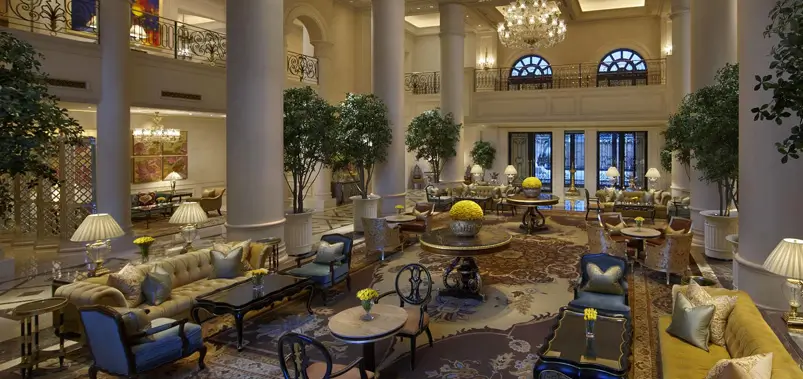
Hotel upgrades are often the single fastest way for a Golden Triangle quotation to increase.
Consider Agra.
A strong modern five star hotel may cost around $200 to $350 per night during a favorable period. A highly prestigious Taj Mahal view hotel can cost $700 to $1,500+ per night, depending on room type and demand. Over two nights, one decision can therefore add well over $1,000 to $2,000 to the trip.
Jaipur produces the same effect.
A high quality conventional luxury hotel may cost approximately $250 to $400 per night. An iconic palace property or premium resort may cost $500 to $1,200+. A heritage suite can go far higher.
Delhi is equally variable.
A traveler can stay at an excellent international five star hotel for a comparatively reasonable luxury rate, or select one of the capital's most prestigious properties and spend several times more.
This is why Golden Triangle Tours should quote named hotels whenever possible rather than using vague labels such as “luxury hotel included.”
The word luxury is not a standardized room category.
A traveler needs to know the property.
An even better quotation identifies the room category.
For premium U.S. travelers, one of the smartest strategies is to mix hotel levels. Spend more where the property genuinely changes the destination experience, and less where the hotel is mainly a comfortable base.
For example, a couple might choose a strong conventional luxury hotel in Delhi, upgrade heavily in Agra for a Taj Mahal view, and then select a palace property in Jaipur.
This often produces a more memorable trip than choosing the second most expensive hotel in every city.
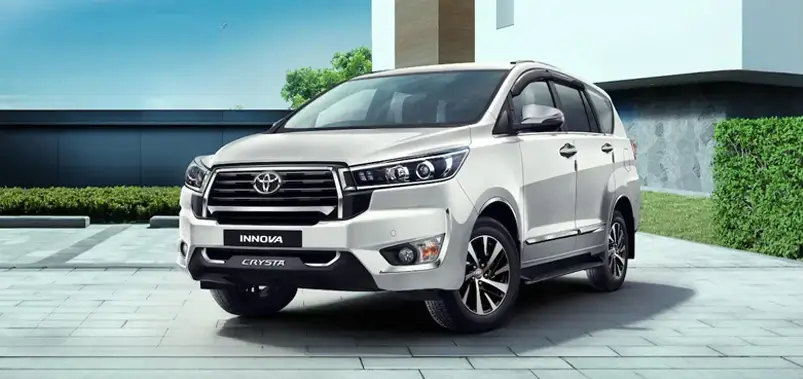
Private transportation should be selected according to journey length, traveler height, luggage, and service expectation.
Two people do not automatically need the smallest car.
American travelers often arrive with large suitcases. Once luggage occupies the trunk, a compact sedan may become less practical than expected.
For the Golden Triangle, a premium SUV or larger MPV can be worth the extra cost because multiple drives last several hours.
If the upgrade costs an additional $60 to $100 per day, the total difference across a week may be only $420 to $700.
For travelers already spending $5,000 or more on the trip, that is often a sensible upgrade.
Luxury brand vehicles cost considerably more and should be chosen for travelers who genuinely value that environment. A Mercedes sedan can look impressive but may not always be the most practical choice for multiple large suitcases. A spacious premium MPV can occasionally provide better functional comfort.
The vehicle should match the trip rather than the status label.
For families or small groups, this becomes even more important.
Four adults with luggage may need a larger van rather than a premium SUV.
A group of six may require a luxury mini coach or larger traveler vehicle.
The quotation should therefore include vehicle model or category, not merely “air-conditioned car.”
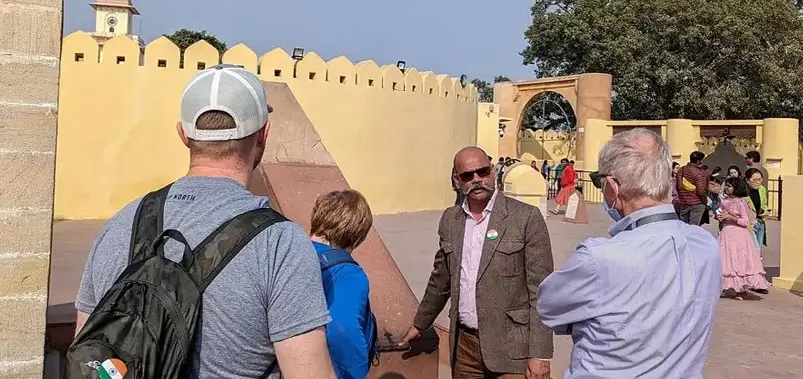
Travelers sometimes spend hours comparing hotel rates and then ignore smaller components that together become significant.
Private guides in three cities can add several hundred dollars.
Monument admissions for two people can add several hundred more depending on the itinerary.
Tips are another real expense.
India does not operate under exactly the same tipping culture as the United States, but private drivers, guides, hotel staff, porters, and restaurant staff may receive gratuities according to service. Travelers should budget in advance rather than treating every tip as an unexpected surprise.
A couple on a premium week long tour might reasonably allocate $250 to $500+ for gratuities across drivers, guides, porters, and selected service personnel, depending on the level of service and personal preference.
Meals outside the package also vary dramatically.
A simple local restaurant can be inexpensive.
A luxury hotel dinner with wine can cost several hundred dollars.
Shopping is completely separate and should never be confused with tour cost.
Jaipur jewelry, carpets, textiles, Agra marble work, Delhi handicrafts, and designer shopping can add anything from $50 to tens of thousands of dollars depending on the traveler.
Shopping should always remain optional.
A tour quotation should not be artificially low because the operator expects to earn the difference through compulsory store commissions.
Premium travelers should ask directly whether shopping stops are mandatory.
The correct answer should be no.
The fastest way to receive an accurate Golden Triangle private tour quote is to provide useful information in the first message.
The travel dates matter because hotel pricing changes by day.
The number of travelers matters because transport and rooming costs are divided differently.
The number of nights matters because a five night route is completely different from a nine night route.
Hotel preference matters because the difference between good five star and iconic ultra luxury can easily exceed several thousand dollars.
Room preference matters.
Vehicle preference matters.
Special occasions matter.
Additional destinations matter.
A strong quote request might say that two adults are arriving in Delhi, want seven nights, prefer high end five star hotels, want one premium Taj Mahal view stay, require a larger private vehicle, are interested in history and food, and want to finish in Jaipur.
That information is enough for a useful first proposal.
A vague message saying “send best price” usually produces a vague package.
Travelers requesting a quotation from Golden Triangle Tours should also state whether they want airport transfers, private guides, monument tickets, breakfast only or additional meals, and any extensions such as Varanasi, Udaipur, Jodhpur, Ranthambore, Amritsar, or Ayodhya.
The company can then build a personalized itinerary rather than sending the same template to every traveler.
A low quotation is not automatically bad.
A high quotation is not automatically good.
The problem begins when travelers compare two prices without comparing what is included.
A cheaper package may use a hotel far outside the city.
It may provide a smaller vehicle.
It may exclude monument tickets.
It may exclude guides.
It may quote lower room categories.
It may exclude airport transfers.
It may use compulsory shopping stops.
It may add taxes later.
It may offer no meaningful cancellation flexibility.
Once these differences are corrected, the cheap quote may no longer be cheap.
The safest comparison is line by line.
Check hotels.
Check room types.
Check vehicle.
Check guides.
Check tickets.
Check meals.
Check taxes.
Check cancellation conditions.
Check airport transfers.
Check special activities.
Check whether the trip is genuinely private.
A premium tour operator should be willing to explain the cost.
A traveler spending several thousand dollars should never feel embarrassed asking what they are paying for.
We promise you a holiday where everything is taken care of from the moment you land. Trusted drivers waiting for you, handpicked hotels that fit your style, personalized itineraries designed just for your family, and a dedicated team on call 24/7. All you need to do is relax, explore, and create unforgettable memories, while we take care of every detail behind the scenes.
Provide travel dates, number of travelers, number of nights, preferred hotel standard, vehicle preference, arrival and departure city, and any additional destinations or special occasions. Golden Triangle Tours can then prepare a private quotation based on the actual trip rather than a generic package price.
Early booking can be particularly valuable during popular travel periods because premium hotel inventory and desirable room categories become more expensive or sell out. Last-minute deals are possible but should not be assumed for luxury hotels.
Yes. Travelers should request specific properties whenever they have strong preferences. A personalized quotation can include leading Taj, Oberoi, Leela, palace, heritage, or international luxury hotels according to budget and availability.
For many international travelers, yes. Several Golden Triangle road sectors require multiple hours, and a larger private vehicle provides more legroom, luggage capacity, and overall comfort than the smallest sedan.
It depends on the package. Some quotations include monument admission and others exclude it. Travelers should confirm whether Taj Mahal, Agra Fort, Amber Fort, City Palace, Jantar Mantar, and Delhi monument tickets are included.
A premium American couple should realistically budget approximately $6,000 to $9,000+ for a strong luxury journey when using high-end hotels, private guides, premium transportation, and selected upscale experiences.
Rates depend on season, hotel brand, room category, view, cancellation policy, weddings, festivals, holidays, and local demand. Iconic hotels can cost several times more than a conventional five-star property.
Both formats are used. Private-tour quotations are often calculated for the entire traveling party because hotels and vehicles are shared costs, but the proposal should clearly state whether the price is per person, per room, or total for the group.
A strong quotation may include hotels, breakfast, private vehicle, chauffeur, airport transfers, private guides, monument tickets, taxes, and selected experiences. Exact inclusions should always be listed clearly.
A private trip for two can range widely. A comfortable six- to seven-night journey may cost approximately $2,500 to $3,500 per couple, while strong five-star packages commonly move toward $3,500 to $5,500. Genuine luxury itineraries can run $6,000 to $9,000+, with ultra-luxury packages significantly higher.