Comfortable weather, hotel availability, international holiday calendars, cultural festivals, airline demand, and local tourism trends collectively determine how much travelers spend on a Golden Triangle Tour. The same itinerary covering Delhi, Agra, and Jaipur can vary significantly in price simply because of the month chosen for travel. A private tour booked during the busiest tourist season often costs substantially more than an identical journey arranged during quieter months, even though the destinations, monuments, and travel distances remain exactly the same.
Many first time visitors believe that tour operators randomly increase or decrease prices throughout the year. In reality, seasonal pricing follows a predictable pattern driven by demand across every part of the travel industry. Hotels revise room rates daily according to occupancy levels, airlines change fares based on seat availability, and premium chauffeurs, luxury vehicles, and experienced guides receive more bookings during popular travel months. These adjustments eventually influence the overall Golden Triangle Tour Cost, making timing one of the most important decisions when selecting a travel package.
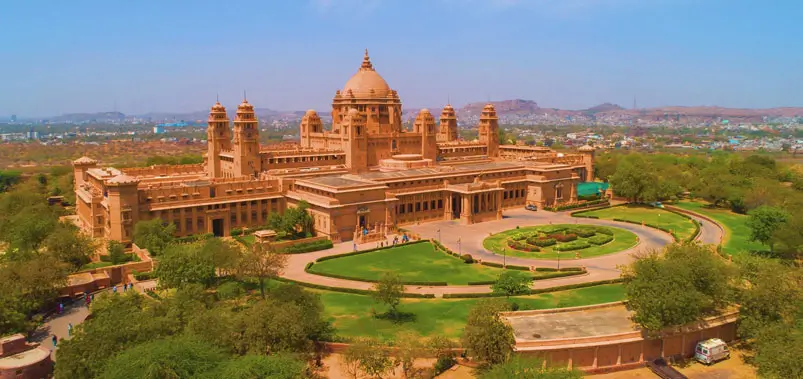
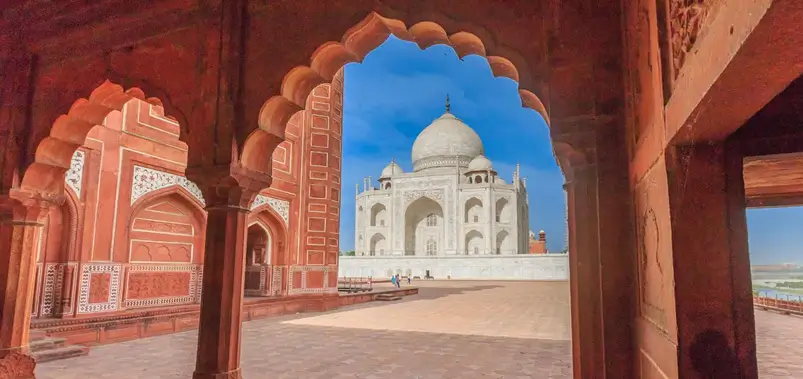
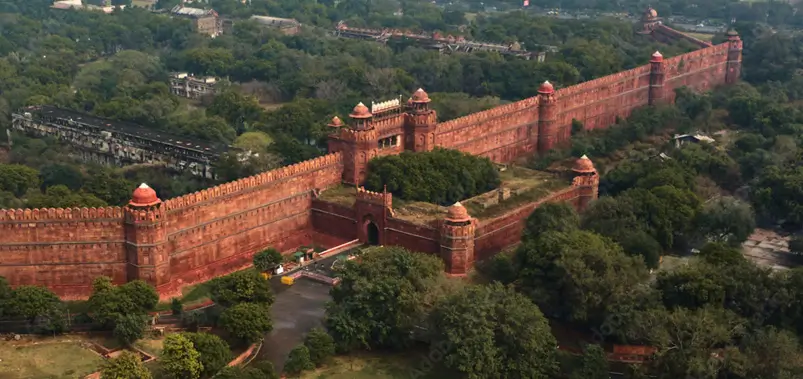
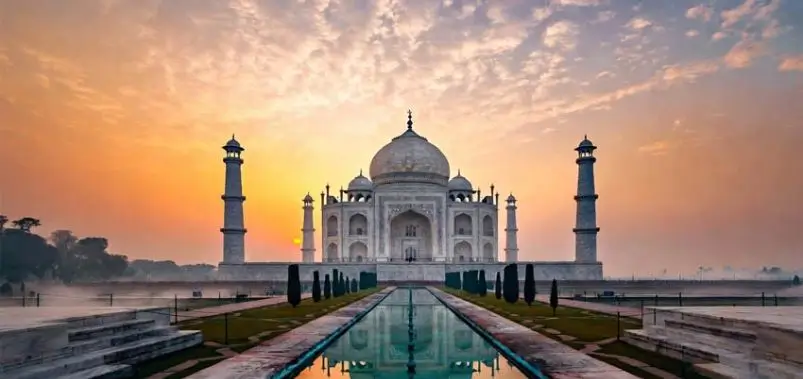
Delhi welcomes visitors with centuries of history, Agra attracts millions eager to witness the timeless beauty of the Taj Mahal, and Jaipur offers magnificent forts, royal palaces, vibrant markets, and rich cultural traditions. Every destination has its own seasonal rhythm. Winter provides pleasant sightseeing conditions, summer introduces attractive discounts, and the monsoon transforms historical cities with greener landscapes while reducing tourist crowds. Each season creates a different travel experience, and each brings its own pricing advantages and compromises.
A well-designed Golden Triangle Tour Package is never judged only by its advertised price. The real value comes from understanding what is included, choosing the right season, selecting suitable hotels, and balancing comfort with budget. Travelers who understand these seasonal differences often enjoy better accommodations, more flexible itineraries, and noticeable savings without compromising the quality of their journey.
The following guide explains how every travel season influences the Delhi Agra Jaipur Tour Cost, what factors contribute to changing prices, and how travelers can choose the ideal departure period according to their budget, comfort, and travel expectations.
Unlike fixed price products, travel operates on a dynamic pricing model where costs respond continuously to demand. Hotels, airlines, transportation companies, professional guides, monument side services, and even certain cultural experiences adjust their prices throughout the year. These adjustments explain why two travelers selecting the same itinerary may receive different quotations despite choosing identical hotels, sightseeing locations, and transportation options.
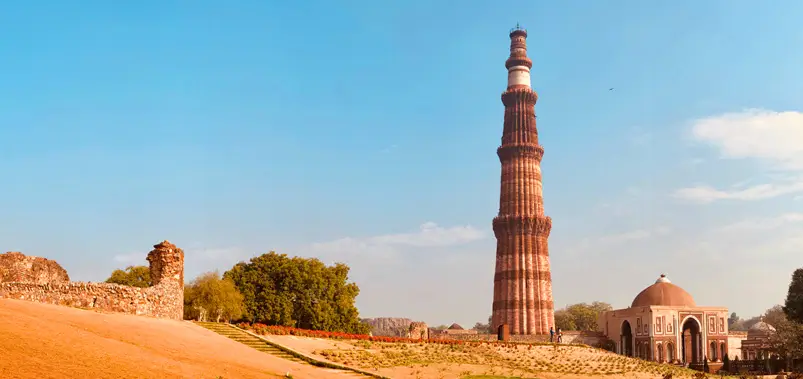
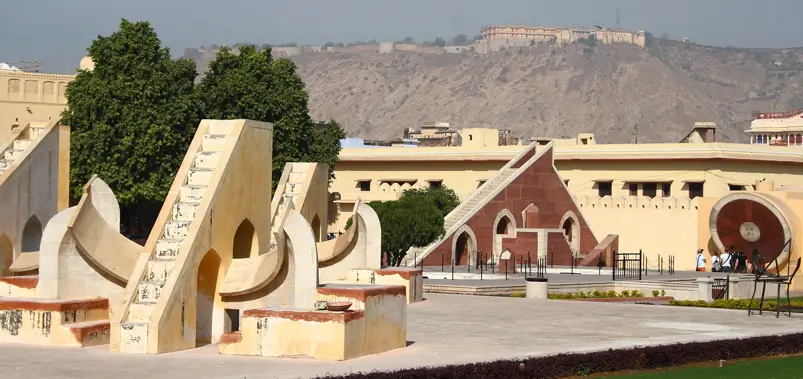
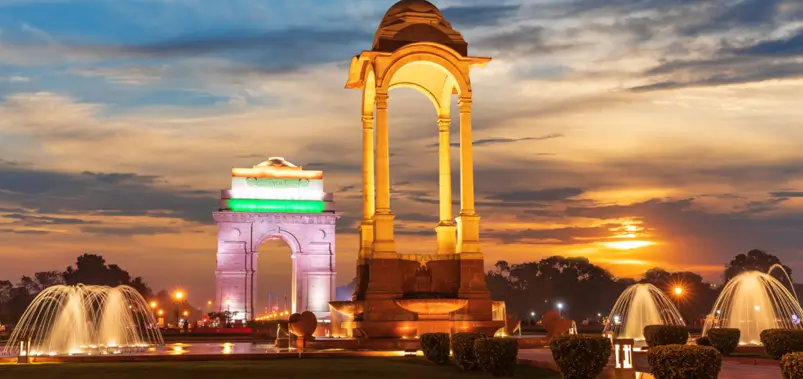
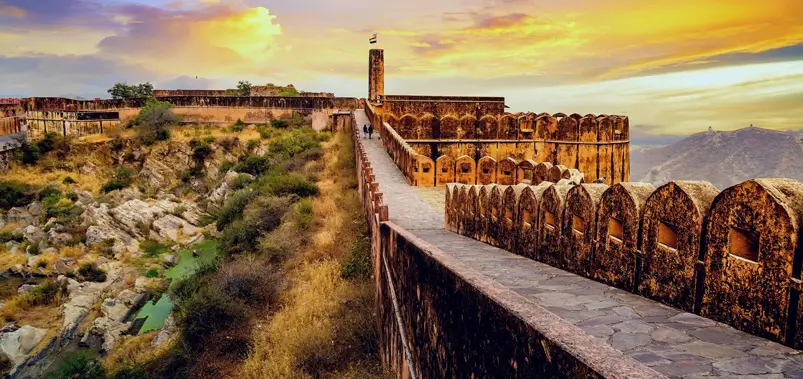
The most influential factor behind seasonal pricing is weather. Delhi, Agra, and Jaipur experience distinct climatic conditions across the year, and these conditions directly affect tourism. Pleasant temperatures encourage visitors to spend entire days exploring outdoor attractions such as the Red Fort, Qutub Minar, India Gate, Humayun's Tomb, the Taj Mahal, Agra Fort, Fatehpur Sikri, Amber Fort, Nahargarh Fort, City Palace, Jantar Mantar, Jal Mahal, and Hawa Mahal. Comfortable sightseeing conditions naturally increase visitor numbers, creating greater demand for hotels and transportation services.
International travel patterns add another important dimension to pricing. Visitors from Europe, North America, Australia, and several Asian countries frequently plan vacations during school holidays and winter breaks. As bookings increase, luxury hotels, boutique heritage properties, and premium chauffeur services begin reaching full occupancy several months in advance. Reduced availability allows hotels to increase their room tariffs, while transportation providers receive higher demand for private vehicles, resulting in increased package prices.
Domestic tourism contributes equally to seasonal demand. Long weekends, public holidays, wedding seasons, and major festivals encourage Indian travelers to visit Rajasthan and North India in large numbers. Jaipur, especially, witnesses a noticeable rise in hotel occupancy during festive celebrations and cultural events. Heritage hotels that remain moderately priced during quieter months may become significantly more expensive when demand exceeds available inventory.
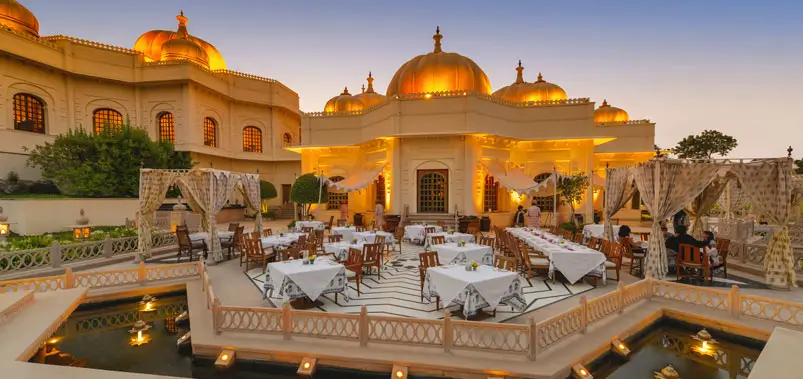
Accommodation remains the single largest component influencing the Golden Triangle Tour Package Cost. A luxury palace hotel, heritage haveli, or internationally branded five star property can almost double its room tariff during peak travel months. Even mid-range hotels experience considerable seasonal variation, while budget accommodations often increase prices when occupancy levels remain consistently high. Since hotel expenses generally account for a substantial portion of any private tour, seasonal room pricing directly affects the overall travel budget.
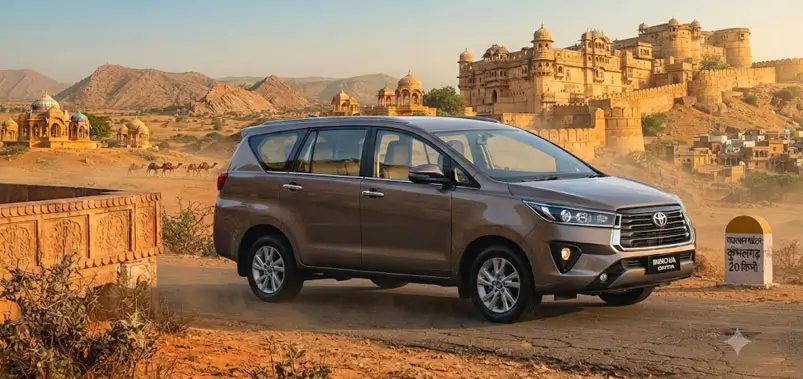
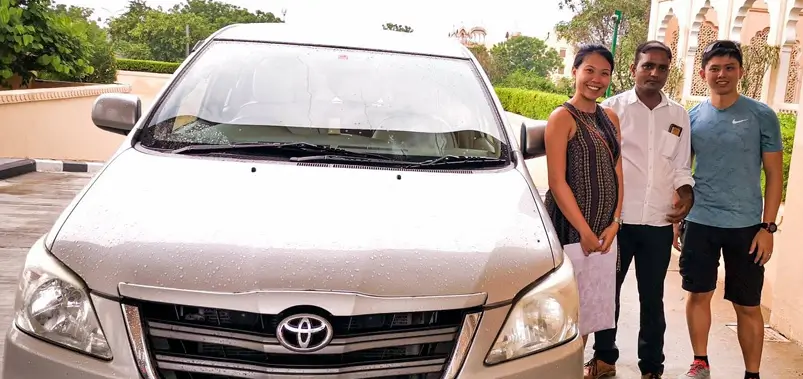
Transportation costs also fluctuate with tourism demand. Premium sedans, Toyota Innova Crysta vehicles, luxury SUVs, and professional English speaking chauffeurs become increasingly difficult to reserve during busy months. Travelers booking close to their departure date frequently discover that preferred vehicle categories are already reserved, leaving only higher priced alternatives available. These transportation adjustments, although less visible than hotel pricing, contribute meaningfully to the final Private Golden Triangle Tour Cost.
Seasonal demand extends beyond accommodation and transportation. Experienced multilingual guides, photographers, heritage walks, cultural performances, traditional dining experiences, and premium sightseeing activities receive greater demand during the busiest tourism months. Travelers seeking highly personalized experiences often pay premium prices simply because experienced professionals have limited availability during those periods.
Understanding these market dynamics helps travelers evaluate quotations more realistically. A higher package price during winter does not necessarily indicate expensive pricing by a tour operator. In many cases, the increase reflects genuine seasonal costs imposed by hotels, transportation providers, and tourism suppliers throughout the travel industry. Recognizing these patterns enables travelers to compare packages more effectively while selecting travel dates that offer the best balance between comfort, experience, and overall value.
Pleasant temperatures between approximately 8°C and 25°C make winter the busiest travel season for the Golden Triangle Tour. Comfortable mornings, clear skies, low humidity, and extended sightseeing hours allow visitors to enjoy Delhi, Agra, and Jaipur without the physical exhaustion that accompanies hotter months. These favorable conditions attract travelers from Europe, North America, Australia, Southeast Asia, and the Middle East, creating the highest demand of the year for hotels, transportation, and guided sightseeing.
Luxury hotels experience the biggest price increase during this period. International hotel brands, heritage palaces, boutique properties, and premium resorts frequently reach near full occupancy weeks or even months before arrival dates. Travelers who postpone their reservations often discover that preferred hotels have already sold out, leaving only premium room categories or alternative properties with higher nightly rates. The difference between booking six months in advance and booking just three weeks before departure can sometimes add hundreds of dollars to the overall Golden Triangle Tour Cost.
Airfares also become less predictable during winter. International carriers increase fares as demand rises, particularly around Christmas, New Year, and extended holiday periods. Domestic flights connecting major Indian cities experience similar trends, making early reservations essential for travelers wishing to control transportation expenses. While many private Delhi Agra Jaipur Tour Packages focus primarily on road travel, international flight costs still represent a significant portion of the total vacation budget.
Winter also coincides with India's wedding season, creating additional pressure on premium hotels. Luxury heritage properties in Jaipur frequently host destination weddings, reducing room availability for leisure travelers. Even hotels that are not directly involved in wedding celebrations benefit from increased demand across the city, leading to higher average room rates.
Despite these higher prices, many visitors consider winter the best overall season because weather conditions maximize sightseeing opportunities. Travelers can comfortably begin exploring monuments shortly after sunrise, continue throughout the afternoon, and enjoy evening cultural performances or local markets without extreme heat. Photography also benefits from softer natural light and clearer atmospheric conditions, making winter particularly attractive for photographers and first time visitors.
Typical private tour pricing during the winter season generally falls within the following range:
| Travel Category | Approximate Cost Per Person* |
| Budget Tour | INR 32,000–45,000 |
| Comfortable 4 Star Tour | INR 48,000–72,000 |
| Premium 5 Star Tour | INR 75,000–1,20,000 |
| Luxury Heritage Tour | INR 1,30,000–2,25,000+ |
*Indicative pricing based on twin sharing, itinerary length, hotel category, inclusions, and booking period.
Travelers choosing winter receive the most comfortable weather, the widest selection of cultural experiences, and ideal sightseeing conditions, but these advantages naturally come with the highest seasonal pricing.
.webp)
Summer is often misunderstood by international travelers. Temperatures across Delhi, Agra, and Jaipur generally range from 32°C to above 44°C during the hottest weeks, causing many visitors to postpone their holidays. As tourism demand decreases, hotels begin offering attractive promotional rates, transportation becomes easier to reserve, and tour operators gain greater flexibility when designing customized itineraries. These combined factors make summer one of the most affordable periods for booking a Private Golden Triangle Tour.
Luxury hotels present particularly attractive value during this season. Properties that command premium prices during winter frequently introduce seasonal offers, complimentary upgrades, breakfast packages, spa credits, or additional nights at discounted rates. Travelers who have always wanted to experience palace hotels or internationally recognized luxury brands often find that summer allows access to accommodations that may otherwise exceed their travel budget.
Private sightseeing also becomes more relaxed because major attractions receive fewer visitors. The Taj Mahal, Amber Fort, City Palace, and other iconic landmarks generally experience shorter entrance queues compared to the peak tourist season. Professional guides are able to provide more personalized attention, and photographers enjoy greater flexibility when capturing famous monuments without large crowds appearing in every frame.
Modern travel practices further reduce the impact of summer temperatures. Most private vehicles used for Golden Triangle Tour Packages are equipped with efficient air conditioning, allowing travelers to move comfortably between destinations. Sightseeing schedules can also be adjusted to begin early in the morning, pause during the warmest afternoon hours, and continue later in the evening when temperatures become considerably more pleasant.
Another financial advantage during summer comes from increased negotiation opportunities. Hotels, local experience providers, and certain tourism services may offer additional benefits that are rarely available during the busiest months. Complimentary airport transfers, room upgrades subject to availability, flexible check-in options, and discounted dining packages become more common as businesses compete to attract travelers.
Average pricing during the summer season generally appears as follows:
| Travel Category | Approximate Cost Per Person* |
| Budget Tour | INR 24,000–36,000 |
| Comfortable 4 Star Tour | INR 38,000–58,000 |
| Premium 5 Star Tour | INR 58,000–90,000 |
| Luxury Heritage Tour | INR 95,000–1,70,000 |
For travelers whose priority is maximizing value rather than avoiding warm weather, summer frequently delivers the strongest balance between comfort, service quality, and overall Golden Triangle Tour Price. The lower accommodation costs often allow visitors to upgrade hotel categories, extend their itinerary, or include additional experiences while remaining within the same travel budget.
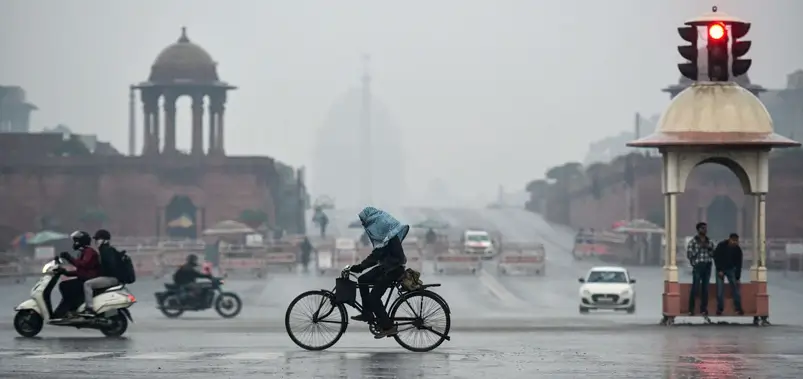
Rainfall transforms the landscape across Delhi, Agra, and Jaipur, creating a completely different atmosphere from the busy winter months. While many travelers automatically avoid the monsoon because of occasional showers, experienced visitors often recognize this period as one of the best opportunities to enjoy a Golden Triangle Tour Package at a considerably lower price. Hotel occupancy generally decreases, roads become less crowded with tourist vehicles, and many heritage properties introduce attractive seasonal promotions to encourage bookings.
The monsoon does not mean continuous rainfall throughout the day. Showers are usually intermittent, with many mornings and evenings remaining suitable for sightseeing. Historic monuments such as the Taj Mahal, Amber Fort, Agra Fort, Humayun's Tomb, and Jal Mahal often appear even more photogenic under dramatic cloud formations. Gardens become greener, the surrounding landscape looks fresher, and photographers frequently appreciate the softer natural light that follows rainfall.
Accommodation providers use this season to attract travelers through discounted room rates, complimentary meals, spa credits, airport transfers, or free room upgrades subject to availability. Luxury palace hotels that command premium prices during winter often become surprisingly affordable, allowing visitors to enjoy world class hospitality without exceeding their planned budget. For couples, honeymoon travelers, and guests celebrating special occasions, this period can provide outstanding value.
Traffic congestion around major tourist attractions also reduces noticeably. Visitors spend less time waiting in queues, private guides can conduct tours at a more relaxed pace, and photographers have greater opportunities to capture famous landmarks without heavy crowds. Restaurants, museums, and shopping districts remain operational, allowing travelers to enjoy the same cultural experiences available during peak season.
There are, however, a few practical considerations. Light rain jackets, waterproof footwear, and flexible sightseeing schedules help ensure a comfortable experience. Private tours offer an advantage because itineraries can easily be adjusted according to local weather conditions. A museum visit, indoor palace tour, or shopping excursion can replace an outdoor activity if rainfall becomes temporarily heavy.
Indicative pricing during the monsoon generally falls within the following range:
| Travel Category | Approximate Cost Per Person* |
| Budget Tour | INR 25,000–38,000 |
| Comfortable 4 Star Tour | INR 40,000–60,000 |
| Premium 5 Star Tour | INR 60,000–92,000 |
| Luxury Heritage Tour | INR 98,000–1,75,000 |
For travelers who value peaceful sightseeing, attractive hotel offers, and a more relaxed atmosphere, the monsoon season delivers an excellent balance between affordability and memorable travel experiences. Many repeat visitors intentionally choose this period because the lower Golden Triangle Tour Cost allows them to enjoy premium accommodations that would otherwise require a much larger budget.
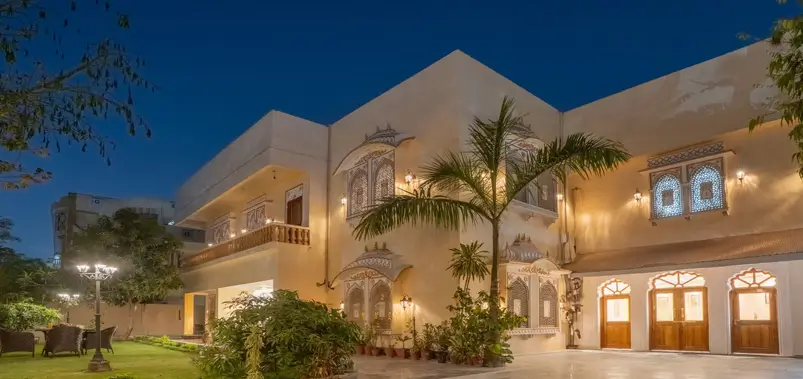
Between the high demand winter months and the quieter summer period lies the shoulder season, often considered one of the smartest times to book a Delhi Agra Jaipur Tour. During these transition months, temperatures remain relatively comfortable, tourist crowds are moderate, and hotel prices have not yet reached their seasonal peak. This combination creates an attractive opportunity for travelers seeking good weather without paying the highest available rates.
Hotels begin adjusting their pricing gradually rather than dramatically. Luxury properties still maintain excellent service standards, but room availability is generally better than during the busiest holiday periods. Travelers therefore enjoy greater flexibility when selecting preferred hotels, room categories, and customized itineraries. Boutique heritage hotels, which frequently sell out months in advance during peak season, often have wider availability during shoulder months.
Private transportation providers also experience more balanced demand. Premium sedans, Toyota Innova Crysta vehicles, luxury SUVs, and professional chauffeurs are easier to reserve, allowing travelers to secure their preferred vehicle without last minute compromises. Since transportation is one of the major components of a Private Golden Triangle Tour, improved availability often contributes to more competitive overall package pricing.
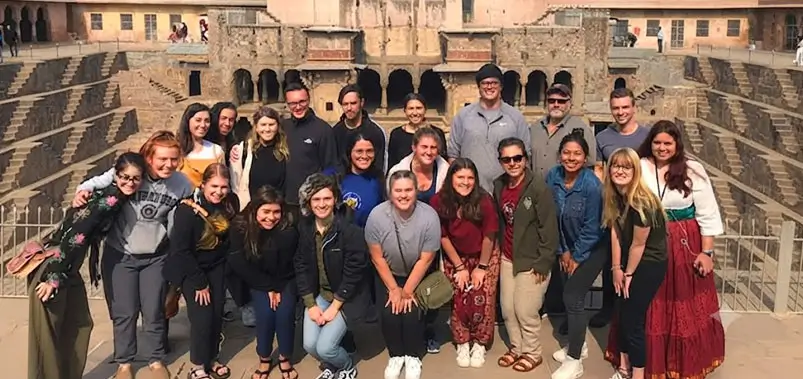
Sightseeing remains enjoyable throughout the day. Monument entry queues are shorter than in winter, photography becomes more convenient, and travelers spend less time navigating crowded attractions. Popular sites including the Taj Mahal, Fatehpur Sikri, Amber Fort, City Palace, Jantar Mantar, and Chand Baori can be explored at a comfortable pace while still benefiting from pleasant outdoor conditions.
Another advantage of the shoulder season is flexibility. Tour operators are generally more willing to customize itineraries, add optional experiences, or accommodate special requests because hotel inventories and transportation schedules are less constrained. Travelers interested in culinary experiences, photography tours, village visits, textile shopping, or heritage walks often find greater availability during these months.
Typical pricing during the shoulder season is as follows:
| Travel Category | Approximate Cost Per Person* |
| Budget Tour | INR 28,000–42,000 |
| Comfortable 4 Star Tour | INR 44,000–66,000 |
| Premium 5 Star Tour | INR 68,000–1,05,000 |
| Luxury Heritage Tour | INR 1,10,000–1,95,000 |
For many international visitors, the shoulder season represents the ideal compromise between weather, comfort, sightseeing quality, and overall Golden Triangle Tour Package Cost. Instead of paying peak season premiums or travelling during the hottest months, visitors receive a well balanced travel experience that delivers excellent value for money.
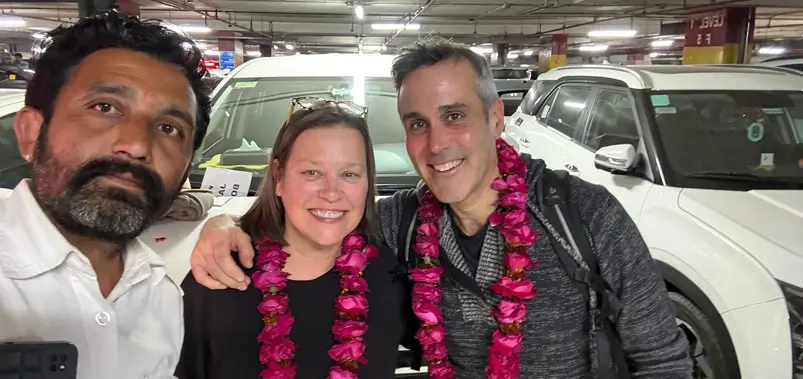
Although every traveler has different priorities, comparing seasonal pricing side by side provides a clearer understanding of how travel timing influences the total budget. Weather conditions, hotel occupancy, transportation demand, and tourism activity all contribute to these differences, making seasonal planning an essential part of selecting the most suitable itinerary.
| Season | Budget Tour | 4 Star Tour | 5 Star Tour | Luxury Tour | Crowd Level |
| Winter | INR 32,000–45,000 | INR 48,000–72,000 | INR 75,000–1,20,000 | INR 1,30,000–2,25,000+ | Very High |
| Shoulder Season | INR 28,000–42,000 | INR 44,000–66,000 | INR 68,000–1,05,000 | INR 1,10,000–1,95,000 | Moderate |
| Summer | INR 24,000–36,000 | INR 38,000–58,000 | INR 58,000–90,000 | INR 95,000–1,70,000 | Low |
| Monsoon | INR 25,000–38,000 | INR 40,000–60,000 | INR 60,000–92,000 | INR 98,000–1,75,000 | Low to Moderate |
These figures are indicative and vary according to tour duration, hotel selection, group size, room category, inclusions, and booking window. Nevertheless, the overall trend remains remarkably consistent throughout the travel industry. Travelers booking during quieter seasons generally enjoy noticeable savings, while those choosing peak travel periods pay more in exchange for ideal sightseeing weather and maximum destination activity.
Selecting the right season therefore depends less on finding the cheapest available package and more on identifying which combination of weather, comfort, sightseeing conditions, and accommodation quality offers the greatest personal value. Understanding these seasonal differences enables travelers to make informed decisions while ensuring that the overall Golden Triangle Tour Cost aligns with both expectations and budget.
Many travelers compare only the advertised package price while selecting a Golden Triangle Tour Package, assuming that every tour includes identical services. In reality, seasonal expenses can influence the final amount far beyond the base package cost. Understanding these additional costs before confirming a booking helps avoid unexpected expenses during the journey.
Accommodation upgrades are one of the most common seasonal variables. During periods of high demand, standard rooms may sell out quickly, leaving only premium room categories available. Travelers booking closer to their departure date may need to pay additional charges simply because entry level rooms are no longer available. Reserving hotels several months in advance usually provides access to better room categories at lower rates.
Airfare is another significant factor. International flight prices fluctuate daily based on demand, remaining seat inventory, airline schedules, and holiday travel patterns. Travelers departing during Christmas, New Year, school vacations, or long weekends often notice substantial airfare increases. Booking flights early can reduce the total Golden Triangle Tour Cost considerably, especially for long haul international journeys.
Monument entrance tickets are generally fixed by government authorities, but premium experiences associated with these attractions may vary seasonally. Sunrise photography sessions, special cultural performances, guided heritage walks, and exclusive dining experiences often become more expensive when tourist demand is high.
Vehicle availability can also influence pricing. Premium sedans, Toyota Innova Crysta vehicles, luxury SUVs, Mercedes-Benz cars, and luxury coaches receive heavy demand during the busiest tourism months. When preferred vehicles become unavailable, travelers may need to select higher priced alternatives or adjust their itinerary according to available transportation.
Special festivals and local celebrations occasionally introduce temporary accommodation surcharges. Heritage cities such as Jaipur experience exceptionally high hotel occupancy during major cultural festivals, destination weddings, and holiday periods. These temporary price increases reflect market demand rather than permanent changes in hotel pricing.
Travel insurance, optional activities, shopping expenses, meals outside the package, camera fees where applicable, gratuities, and personal purchases should also be included in budget planning. Although these costs are not strictly seasonal, higher tourism activity often encourages visitors to participate in additional experiences that naturally increase overall spending.
Understanding these hidden seasonal variables enables travelers to compare quotations more accurately while selecting a Private Golden Triangle Tour that genuinely represents good value rather than simply appearing inexpensive.
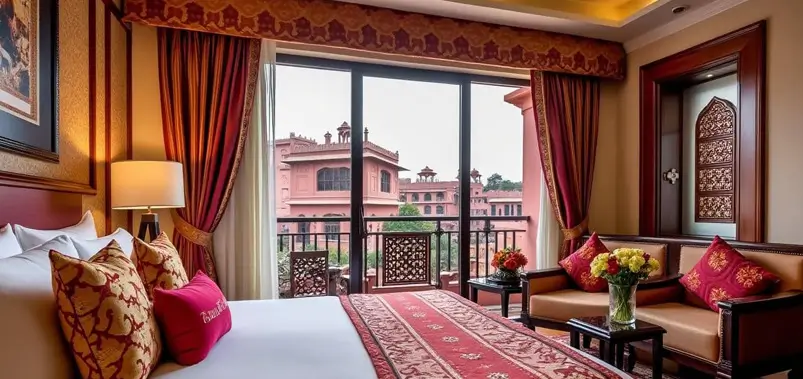
Lower travel costs do not necessarily require sacrificing quality. Experienced travelers often enjoy premium services while staying within budget simply by making informed booking decisions. The timing of reservations, hotel selection, itinerary flexibility, and transportation choices all contribute to significant savings.
Early booking remains one of the most effective strategies. Hotels typically release attractive rates several months before the busiest travel periods. Reserving accommodation and transportation well in advance provides access to lower prices, better room availability, and preferred vehicle categories. Last-minute reservations during high demand months usually result in limited choices and higher overall costs.
Choosing the shoulder season instead of peak winter can also generate meaningful savings. Travelers still enjoy pleasant sightseeing conditions while benefiting from more competitive hotel pricing and reduced crowds. For many visitors, this period provides the ideal balance between comfort and affordability.
Hotel selection should focus on value rather than star rating alone. Many well-reviewed boutique hotels and premium four star properties offer exceptional service, spacious rooms, excellent dining, and convenient locations at substantially lower prices than luxury palace hotels. Redirecting these savings toward private guides, cultural experiences, or additional sightseeing often improves the overall travel experience.
Private road transportation frequently proves more economical than combining multiple domestic flights with airport transfers. A professionally chauffeured vehicle offers flexibility, comfort, luggage convenience, and direct transfers between destinations while eliminating airport waiting times and baggage restrictions.
Customizing the itinerary also helps control expenses. Instead of adding numerous optional excursions, travelers can prioritize experiences that best match their interests. Some visitors prefer photography, others focus on architecture, local cuisine, shopping, wildlife, or cultural performances. Selecting experiences carefully allows the travel budget to be allocated more effectively.
Another practical strategy involves comparing package inclusions rather than headline prices. A slightly higher quotation may already include experienced local guides, monument entrance assistance, parking charges, toll taxes, fuel, airport transfers, bottled water, and flexible sightseeing schedules. Choosing a cheaper package without these services often leads to higher overall spending during the trip.
Travelers seeking maximum value should therefore evaluate the complete package rather than concentrating solely on the initial quotation. A thoughtfully designed Golden Triangle Tour Package frequently delivers better long term value than the lowest advertised price.
Every traveler defines value differently. Some visitors prioritize pleasant weather, others seek luxury accommodation, while many focus on photography, cultural experiences, or maximizing their overall travel budget. Understanding personal travel priorities makes it easier to select the season that delivers the most satisfying experience.
Winter remains the preferred choice for travelers who value ideal sightseeing conditions. Comfortable temperatures allow extended outdoor exploration, making this season particularly suitable for first time visitors, senior travelers, families with children, and photography enthusiasts. Although prices are higher, the convenience and comfort often justify the additional expense.
Summer offers exceptional opportunities for budget conscious travelers. Luxury hotels become significantly more affordable, private transportation is easier to reserve, and major attractions are noticeably less crowded. Visitors comfortable with warmer temperatures often enjoy remarkable savings without compromising the quality of accommodation or service.
The monsoon season appeals to travelers seeking peaceful sightseeing, lush landscapes, and attractive hotel promotions. Occasional rainfall introduces flexibility into daily itineraries, but private tours easily accommodate these changes while maintaining a comfortable travel experience.
The shoulder season represents one of the most balanced choices. Moderate temperatures, competitive hotel pricing, manageable visitor numbers, and greater itinerary flexibility combine to create excellent overall value. Many experienced travelers intentionally select these months because they provide an outstanding combination of comfort and affordability.
Selecting the right departure period ultimately depends on individual expectations rather than searching for the lowest possible Golden Triangle Tour Cost. A well-planned itinerary during the appropriate season consistently delivers greater satisfaction than simply choosing the cheapest available travel dates.
We promise you a holiday where everything is taken care of from the moment you land. Trusted drivers waiting for you, handpicked hotels that fit your style, personalized itineraries designed just for your family, and a dedicated team on call 24/7. All you need to do is relax, explore, and create unforgettable memories, while we take care of every detail behind the scenes.
Yes. Winter generally records the highest hotel occupancy and strongest international travel demand, making it the costliest season for most private tours.
Summer usually provides the lowest overall pricing because hotel rates and tourism demand decline significantly.
Light showers may occasionally adjust daily schedules, but most attractions remain open, and private itineraries can be modified easily.
Booking three to six months in advance generally provides better hotel availability, preferred vehicles, and more competitive prices.
Yes. Heritage palaces and five-star hotels often experience the largest seasonal price increases because of high demand.
Not always. Some packages include entrance fees, while others quote them separately. Always confirm inclusions before booking.
Private tours usually cost more than group departures, but they provide greater flexibility, personalized service, and a more comfortable travel experience.
Winter offers clear skies and pleasant weather, while the monsoon provides dramatic clouds and vibrant landscapes, making both seasons popular among photographers.
Upgrades are generally possible subject to availability and the applicable seasonal room rate difference.
Book early, compare complete package inclusions, choose suitable hotel categories, and travel during the shoulder season or summer if your schedule allows.