The Taj Mahal is one of the most visited landmarks in the world, attracting more than seven million visitors each year from every corner of the globe. For most travellers, the experience is unforgettable—a masterpiece of Mughal architecture, a symbol of eternal love, and the highlight of a journey through India's famous Golden Triangle. Fortunately, the overwhelming majority of visits to the Taj Mahal are safe, enjoyable, and free from serious problems.
However, like many globally famous tourist attractions, the popularity of the Taj Mahal has also created opportunities for a small number of individuals who attempt to take advantage of first time visitors. These situations rarely involve dangerous crime. Instead, they usually take the form of misleading information, aggressive sales tactics, inflated prices, fake services, or unnecessary charges that can leave travellers frustrated and out of pocket.
Many of these scams specifically target visitors who are unfamiliar with local procedures. Someone visiting Agra for the first time may not know the correct ticket prices, the official entrance gates, or whether a guide is genuinely licensed. A friendly stranger offering "special access," an unusually cheap taxi ride, or a shop claiming to sell "original Taj Mahal marble" may sound convincing, especially after a long journey or in the excitement of seeing one of the world's most famous monuments.
The good news is that almost all of these situations are easy to avoid with a little preparation. Understanding how official ticketing works, using authorised guides, confirming prices in advance, and politely declining unwanted offers are usually enough to ensure a smooth and enjoyable visit.
It is also important to remember that these scams involve only a very small minority of people. Agra is home to thousands of honest guides, drivers, shopkeepers, hotel staff, and local residents who take great pride in welcoming visitors from around the world. Many families depend on tourism for their livelihood and work hard to provide genuine hospitality. By making informed choices, travellers can confidently enjoy everything the city has to offer while supporting reputable local businesses.
This guide explains the most common tourist scams around the Taj Mahal, how they work, warning signs to look for, and practical strategies to help first time visitors avoid unnecessary stress while making the most of their visit.
Yes.
The Taj Mahal is generally considered one of the safest tourist attractions in India.
Security measures include:
Most visitors complete their trip without experiencing any scams or security issues.
The key is to remain aware of your surroundings and rely on official services whenever possible.
Tourist scams are not unique to Agra.
Popular destinations around the world—including Paris, Rome, Bangkok, Cairo, Istanbul, and New York—experience similar problems because visitors are unfamiliar with local systems.
Scammers often rely on:
Their goal is usually to convince travellers to spend money on unnecessary or overpriced services rather than commit serious crimes.
Being informed is the simplest way to avoid becoming a target.
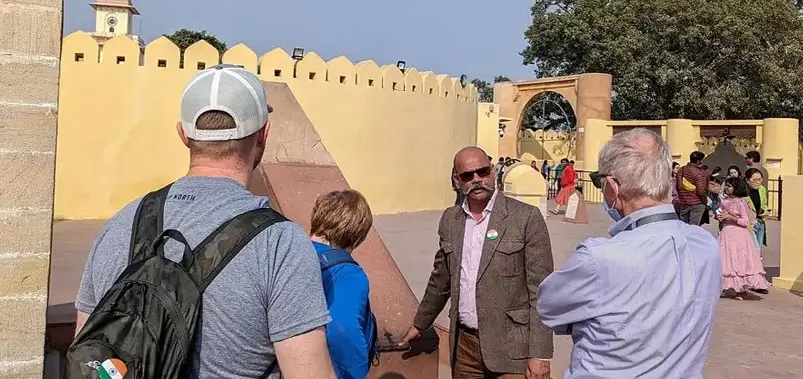
One of the most common situations encountered near the Taj Mahal involves unofficial guides.
As visitors approach the entrance, individuals may introduce themselves as:
Some may even display identity cards that appear genuine.
The guide begins offering historical information before discussing prices.
Later, visitors may discover:
Only hire:
Always confirm:
before beginning the tour.
This is one of the oldest and most well-known tourist scams in Agra.
A stranger may approach you before you reach the monument and claim:
The individual then recommends:
These businesses often pay commissions for bringing tourists inside.
Unless it is Friday (when the Taj Mahal is closed for general sightseeing except for worshippers attending prayers), the monument is usually open according to its published schedule.
Always verify information through official sources or your hotel instead of relying on strangers.
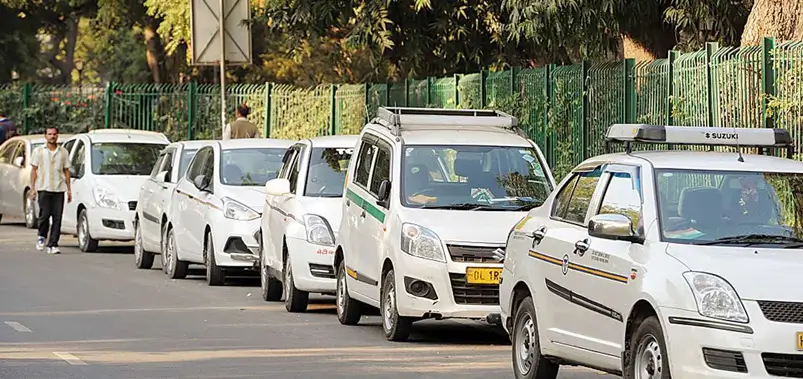
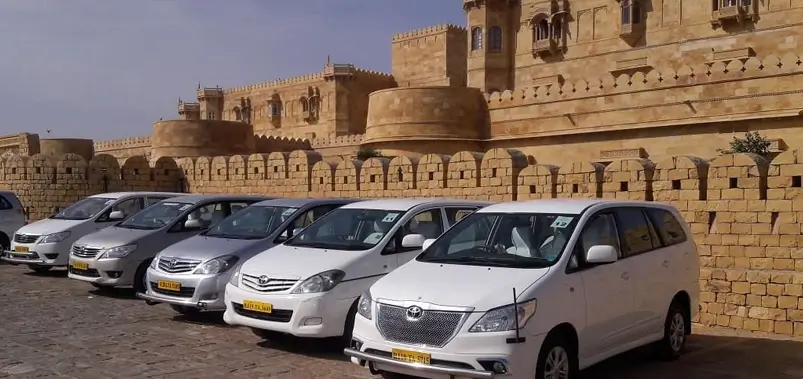
Some first time visitors accept transportation without discussing the fare in advance.
At the end of the journey, they are presented with a price far higher than expected.
Other variations include:
Before starting your journey:
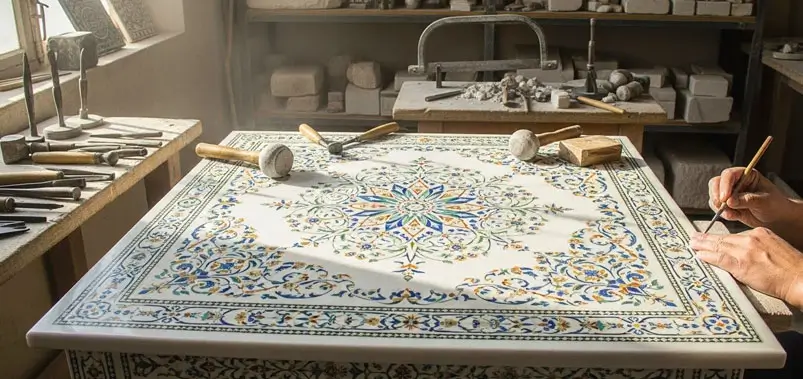
Agra's marble craftsmanship is genuine and world famous.
However, some visitors are taken to shops claiming to be:
Sales staff may insist that:
Visitors are often encouraged to make expensive purchases under pressure.
Choose:
Never feel pressured into making immediate purchases.
One of the easiest scams to avoid is buying entry tickets from unofficial sellers.
Around the roads leading to the Taj Mahal, some individuals may approach visitors claiming that:
These tickets may be fake, invalid, or sold at heavily inflated prices.
Some visitors only discover the problem after reaching the security checkpoint, where entry is denied because the ticket is not genuine.
Always purchase tickets through:
Avoid purchasing tickets from anyone standing outside the monument, no matter how convincing they appear.
.webp)
The Taj Mahal is one of the most photographed monuments in the world, and many photographers work near the entrance.
Most are genuine professionals, but some quote a low initial price before adding unexpected charges later.
For example:
Others may begin taking photographs before discussing prices, making visitors feel obligated to pay.
Before allowing anyone to take your photographs:
If you simply want family pictures, fellow tourists are often happy to help, and many smartphone cameras produce excellent results.
Visitors are required to wear shoe covers or remove their shoes before entering the main marble platform of the Taj Mahal.
Some unofficial vendors misuse this rule by claiming:
These claims can confuse first time visitors.
For visitors entering the main mausoleum area, disposable shoe covers are generally included with the applicable entry arrangements, and official facilities are clearly marked. Lockers are available near the entrances for items that are not permitted inside, but you should use only the authorised facilities.
If someone insists that you must buy additional items from them, politely decline and proceed to the official entrance staff for guidance.
Another scam involves people requesting donations in the name of:
They may carry clipboards or printed documents designed to appear official.
After writing down your name, they often pressure you into donating a much larger amount than expected.
If you wish to support charitable causes:
Never feel pressured to donate because your name has already been written on a list.
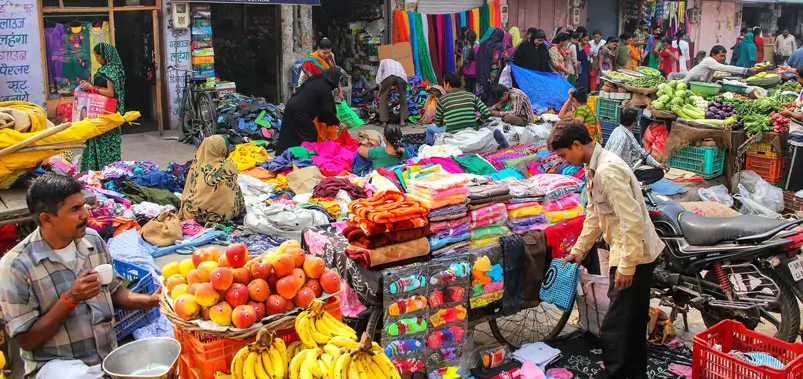
Some unofficial guides earn commissions by bringing tourists to specific shops.
A visit described as "just five minutes" can easily turn into a lengthy sales presentation.
Common stops include:
While many of these businesses sell genuine products, prices may be inflated to cover commission payments.
Before your tour begins, ask the guide:
A reputable guide will respect your preferences.
If you are interested in shopping, visit markets independently after completing your sightseeing so you can compare quality and prices at your own pace.
Some souvenir shops advertise products as:
In reality, many of these items are modern reproductions or decorative pieces.
This does not necessarily mean they lack value, but they should not be sold as centuries old originals.
If you are considering an expensive purchase:
Remember the old principle: if an offer sounds too good to be true, it usually is.
Although not exclusive to the Taj Mahal area, some visitors encounter unofficial currency exchange offers.
Common tactics include:
Exchange money only at:
Always count your money before leaving the counter.
A little preparation goes a long way in ensuring a smooth visit.
Here are a few practical tips:
Confidence and preparation are often the best protection against tourist scams.
If you ever feel uncomfortable or believe someone is attempting to scam or harass you:
The Taj Mahal is one of India's most closely monitored tourist attractions, and help is generally available nearby.
Before entering the Taj Mahal, ask yourself:
✔ Did I buy my ticket from an official source?
✔ Have I agreed on taxi fares before travelling?
✔ Is my guide officially arranged or clearly authorised?
✔ Am I avoiding people who claim the monument is "closed"?
✔ Have I politely declined unwanted shopping stops?
✔ Am I purchasing souvenirs from reputable businesses?
✔ Have I kept my valuables secure?
If the answer is "yes" to all of these, you are already well prepared for a safe and enjoyable visit.

We promise you a holiday where everything is taken care of from the moment you land. Trusted drivers waiting for you, handpicked hotels that fit your style, personalized itineraries designed just for your family, and a dedicated team on call 24/7. All you need to do is relax, explore, and create unforgettable memories, while we take care of every detail behind the scenes.
Research your visit in advance, use official ticketing and authorised services, confirm prices before accepting any service, and never let anyone rush you into making a decision.
Official staff wear proper identification and work within designated areas. Politely decline unsolicited assistance from strangers outside the monument.
Yes, provided you agree on the fare before the journey or use reputable app-based taxi services or hotel-arranged transportation.
Stay calm, do not engage in long conversations, and walk towards security staff, a busy public area, or the official entrance.
Yes, bargaining is common in traditional markets. However, government emporiums and many branded stores operate with fixed prices.
Many workshops are authentic, but some are primarily designed as commission-based shopping stops. Compare prices and never feel pressured to buy.
No. Official ticket prices are fixed. Be cautious of anyone claiming to sell discounted or "VIP" tickets outside authorised channels.
A knowledgeable, authorised guide can greatly enhance your visit by explaining the monument's history and architecture. Book through reputable hotels, tour operators, or official channels.
Yes. Solo travellers, including women, visit the Taj Mahal every day. As with any major tourist destination, remaining aware of your surroundings and using trusted services is advisable.
Most visitors experience no problems. While a few common tourist scams exist, they are usually easy to avoid by using official services and staying informed.