Booking a fully bespoke India tour should feel very different from selecting a standard holiday package and changing a hotel or two. Genuine tailor made travel begins with the traveller rather than a pre-written itinerary. Dates, international flights, preferred hotel style, room categories, interests, dietary requirements, mobility, preferred daily pace and the amount of privacy required should influence the journey from the beginning.
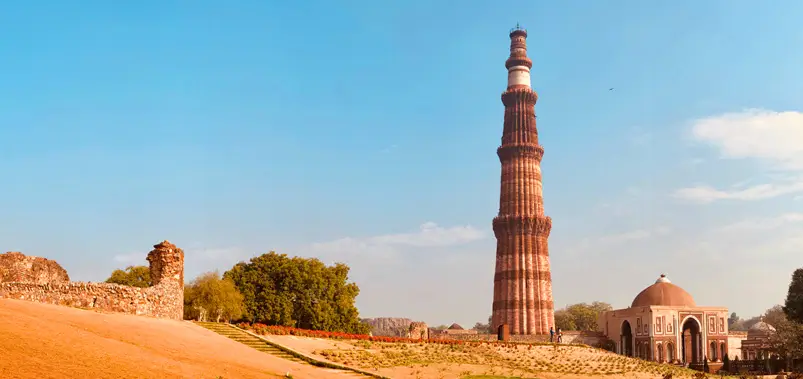
This distinction matters particularly in India. A traveller may want the Taj Mahal and Jaipur's palaces but have little interest in spending every day visiting monuments. Another couple may be passionate about Mughal history and want specialist guiding. A family may require connecting rooms, a larger private vehicle and flexible meal times. High net worth guests may prefer suites, discreet transfers, fewer hotel changes and more control over who accompanies them.
A bespoke luxury India holiday can accommodate those differences because the itinerary is not tied to a group departure.
The process also requires more work than simply choosing a package online. Hotels must be matched to the traveller, realistic driving times considered, guides selected, sightseeing paced properly and the route designed around international arrival and departure points.
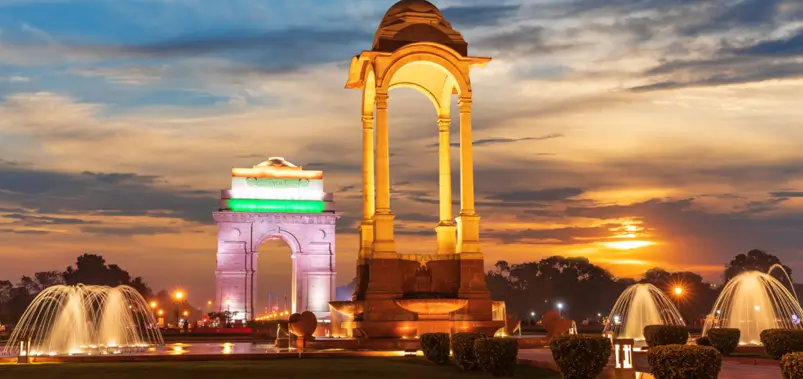
Golden Triangle Tours can structure private journeys around Delhi, Agra and Jaipur while adding Rajasthan, Varanasi, Kerala, wildlife destinations or other parts of India according to the guest's interests. The objective is not to create the longest possible itinerary. It is to create one in which every major component has a reason to be there.
The first stage of arranging a tailor made India tour should be a detailed conversation.
Simply asking for travel dates and number of passengers is not enough.
A travel specialist should know whether this is the guest's first visit to India, whether they have travelled extensively elsewhere, what type of hotels they normally enjoy and how active they want the holiday to be. The answers can completely change the itinerary.
Consider two couples both requesting a ten night Golden Triangle holiday.
The first couple may be visiting India for the first time and want famous landmarks, excellent hotels and enough downtime to enjoy them. Three nights in Delhi, two in Agra and three or four in Jaipur, with carefully arranged sightseeing, may suit them extremely well.
The second couple may have already visited India. They may want only one night in Agra, more time in Rajasthan and specialist visits related to architecture, textiles or food. Giving both couples the same itinerary simply because they have the same number of days would not be bespoke travel.
Pace is one of the most important questions.
Some guests enjoy leaving the hotel at 8:00 a.m. and remaining out until dinner. Others would consider that exhausting. Luxury travellers frequently prefer one substantial sightseeing session followed by a long lunch, spa treatment or free afternoon.
Morning preferences matter too.
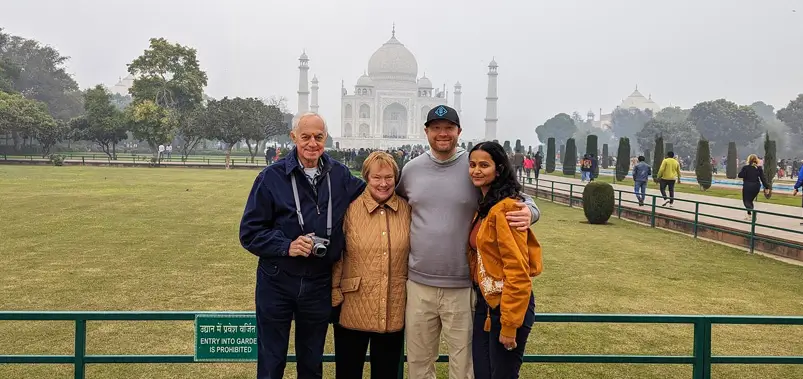
The Taj Mahal is often associated with sunrise, but not every traveller wants to wake before dawn on holiday. A private itinerary should present the benefits and practical realities and then allow the guest to decide.
The same principle applies to hotels.
A traveller requesting “five star hotels” has not provided enough information. India has contemporary business oriented luxury hotels, historic palace properties, heritage hotels, resorts and intimate boutique accommodation.
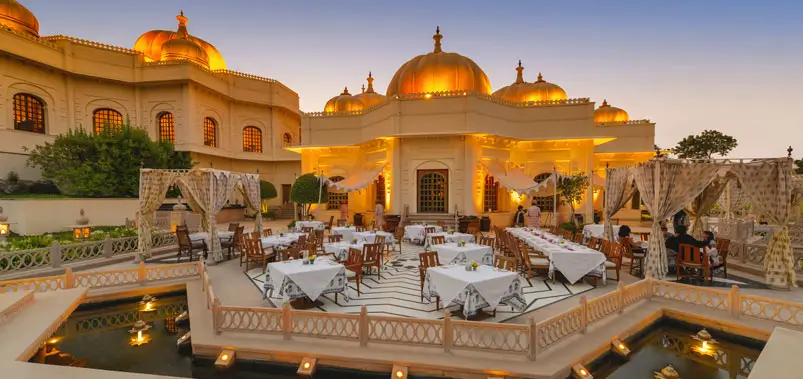
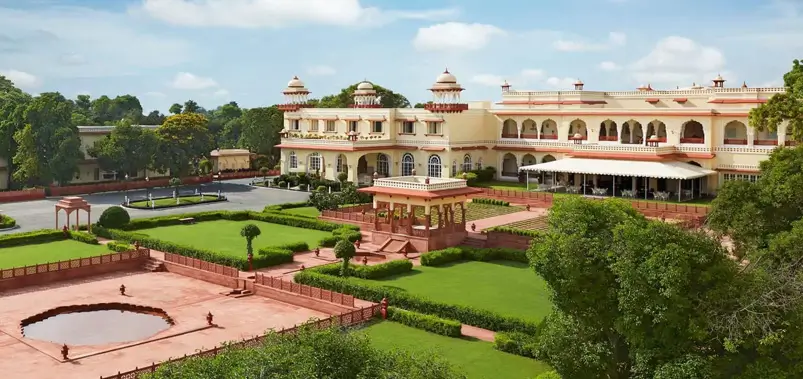
One guest may dream of Rambagh Palace in Jaipur because the historical setting is central to the holiday. Another may prefer The Oberoi Rajvilas because a resort environment and privacy matter more. In Agra, a guest may place high value on a Taj facing stay such as The Oberoi Amarvilas, while another may prefer to spend more on a suite elsewhere in the journey.
A private luxury India tour package should allow these choices rather than presenting hotel categories as anonymous “5 star accommodation.”
Interests also need to be specific.
“Culture” is too broad. Does the traveller mean Mughal history, Rajput architecture, contemporary art, Indian cuisine, textiles, jewellery, religious traditions or photography?
Shopping is equally personal. Some guests actively want private appointments for jewellery, carpets, art or textiles. Others do not want a single commercial stop during sightseeing.
That preference should be respected.
Dietary requirements, birthdays, anniversaries, mobility limitations and room preferences should also be discussed before the itinerary is finalised.
This information is not administrative detail. It is the material from which a genuine bespoke trip is built.
Discover grand palaces and heritage forts with a tailor-made luxury itinerary, private transfers, and handpicked 5-star stays. Let our experts design your dream trip.
One of the biggest differences between a standard tour and a luxury tailor made India holiday is the way hotels are selected.
Standard packages often sell accommodation by category: four star, five star or luxury. The actual hotel may be confirmed later or replaced with a “similar” property.
High end travellers should expect greater precision.
The proposal should ideally identify the intended hotels and room categories so the guest understands what they are purchasing. This becomes particularly important when the price difference between entry level rooms and premium suites is substantial.
Not every city requires the same level of spending.
Delhi may be primarily the arrival point for a guest who expects to spend most days sightseeing. An excellent luxury room might therefore be sufficient. Agra may justify a significant upgrade if the room or terrace offers a memorable Taj Mahal view.
Jaipur can be different again. If the traveller has three or four nights and substantial leisure time, paying more for a palace or resort can make sense because the property becomes part of the holiday.
This is where intelligent luxury spending differs from simply booking the most expensive room everywhere.
A suite should provide something the guest will actually use.
Extra living space can be valuable for families, longer stays or travellers who enjoy private in room dining. A terrace, heritage character or exceptional view may justify an upgrade. By contrast, paying heavily for a large suite during a one night stay with a late arrival and early departure may provide little practical value.
Location also matters.
A spectacular resort far outside the centre may be ideal for a couple wanting privacy and relaxation but inconvenient for travellers who expect to spend most of their time in restaurants, markets and city activities.
Heritage hotels deserve careful consideration. Historic architecture creates atmosphere, but older buildings can have stairs, long corridors or unusual layouts. Travellers with mobility requirements should discuss them before selecting a property.
Room configuration is particularly important for families.
Connecting rooms, adjacent rooms, twin beds, extra beds and suites should be requested explicitly. Families should not assume that several rooms booked in the same hotel will automatically be next to each other.
A bespoke India tour with luxury hotels should therefore treat each accommodation decision separately.
The hotel proposal should also make meal arrangements clear. Is breakfast included? Is half board included? Are special dinners prepaid? Are drinks additional? Are taxes included in the quoted rate?
These details can materially affect the final cost.
High net worth travellers may also value early check-in or late checkout after international flights. These benefits should not be assumed. Hotels may offer them subject to availability, while guaranteed access can require booking an additional night or paying a confirmed supplement.
If a flight lands very early and immediate room access is essential, paying for the previous night can sometimes be more luxurious than arriving at a famous hotel and waiting several hours in the lobby.
A luxury hotel cannot compensate for poor transportation.
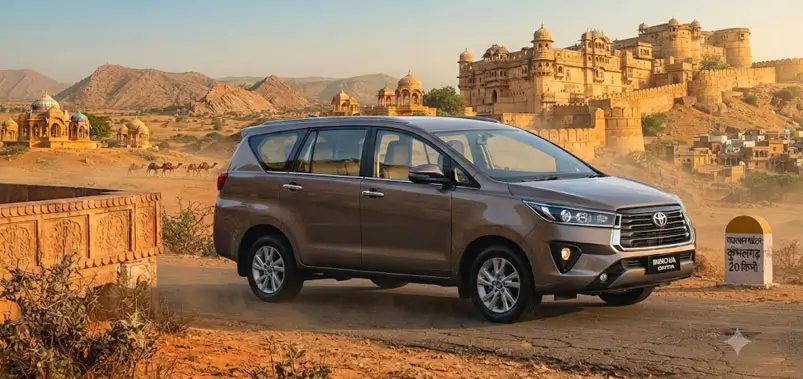
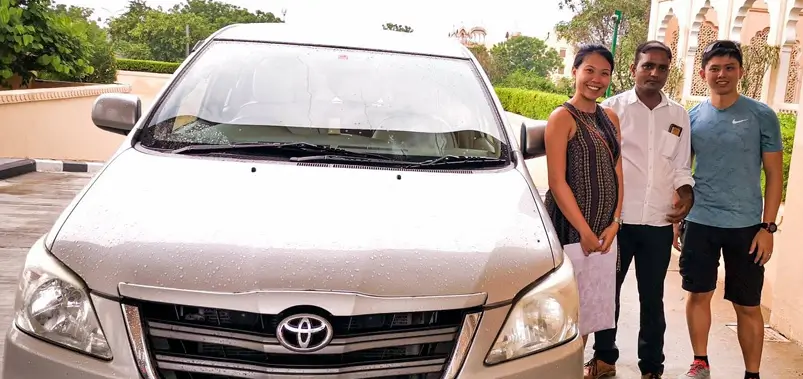
On a private chauffeur driven India tour, the vehicle becomes one of the most frequently used services. Guests may spend several hours travelling between Delhi and Agra, Agra and Jaipur, hotels and monuments, restaurants and airports.
Vehicle selection therefore deserves serious attention.
A premium sedan can work well for a couple with moderate luggage. Families or guests carrying several large suitcases may be much more comfortable in a larger premium vehicle. The number of advertised seats should never be the only consideration because luggage occupies substantial space.
Entry and exit height can also matter for older travellers.
The chauffeur should be experienced in private tourism rather than simply providing point to point transportation. Punctuality, vehicle cleanliness, safe driving, knowledge of suitable rest stops and patience when the day's schedule changes are all important.
Continuity can add value.
Having a dedicated chauffeur across the Golden Triangle means the driver becomes familiar with the guests' preferences. There is no need to explain luggage, departure times or comfort requirements every morning to someone new.
Guiding is a different service and should be treated accordingly.
A professional private guide adds historical context, helps with local logistics and allows sightseeing to respond to the guest's interests. Delhi, Agra and Jaipur each have layers of history that become far more meaningful when interpretation goes beyond memorised dates.
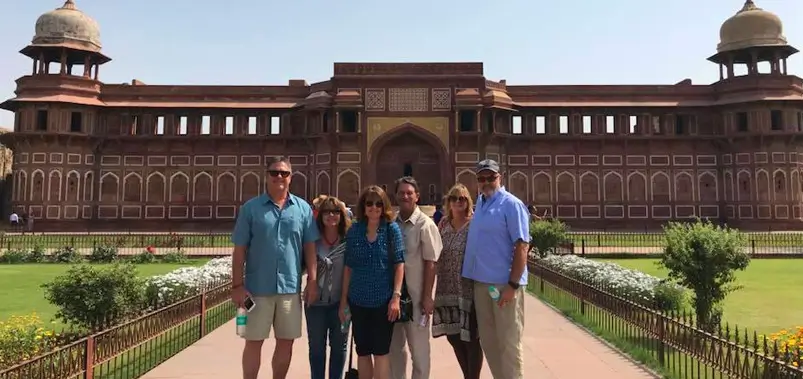
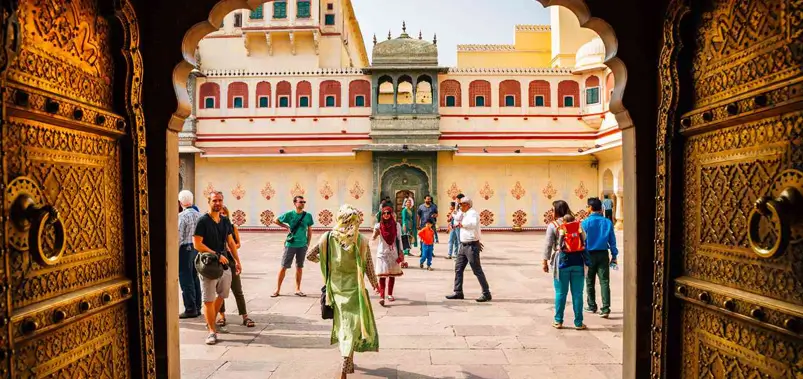
A history enthusiast may want detailed discussion of Mughal architecture at Humayun's Tomb, Agra Fort and the Taj Mahal. A traveller interested in Jaipur's royal heritage may want more time inside City Palace. A photographer may care about light, viewpoints and crowd patterns.
A private guided tour of India should allow the guide to adapt.
Guests should also know whether guides are included every day or only on sightseeing days. If a quote says “private tour,” it should not automatically be assumed that a guide accompanies the traveller throughout the entire journey.
Concierge level support sits above individual hotel, chauffeur and guide services.
Suppose an international flight is delayed and the guest lands six hours late. The airport transfer needs to move, the hotel should know about the late arrival and the following morning may need adjustment.
Or a guest may become tired in Jaipur and decide not to visit another monument. A spa appointment might be requested instead.
A family dinner may change location. A restaurant reservation may need to move. A domestic flight may be rescheduled.
These are the moments when 24/7 support on an India tour becomes meaningful.
Concierge support should not be confused with promising that every request can always be fulfilled. Sold out restaurants remain sold out. Hotel upgrades depend on availability. Monument regulations cannot be changed by a tour operator.
The value lies in having someone who can respond and coordinate realistic alternatives.
Wondering which private tours and palace hotels are worth it? Get expert guidance for a seamless, stress-free bespoke tour with personalized concierge service.
Delhi, Agra and Jaipur are an excellent foundation, but a custom private India itinerary does not have to end there.
The right extension depends on the traveller.
Rajasthan can add Udaipur, Jodhpur or Jaisalmer for guests interested in palaces, forts, desert landscapes and heritage hotels. The mistake is trying to include all three simply because they are famous.
Udaipur can work beautifully for couples seeking a romantic and relatively relaxed finish. Lake facing hotels, City Palace and a slower rhythm contrast well with Delhi and Agra.
Jodhpur offers Mehrangarh Fort and a strong heritage character. Jaisalmer adds desert architecture and a substantially different landscape but requires additional travel time.
Ranthambore is suitable for wildlife enthusiasts. Safari availability and park arrangements should be considered before hotels are finalised because wildlife drives are not simply an activity that can always be added at the last minute.
Varanasi offers a completely different dimension. Travellers interested in spirituality, religious traditions and the Ganges may consider it one of the most significant parts of the journey. It also requires careful logistics because the old city's lanes, ghats and crowds create a very different environment from a palace resort.
Amritsar may appeal to travellers interested in Sikh heritage and the Golden Temple.
Kerala can provide a southern contrast with backwaters, coastal landscapes, different cuisine and wellness possibilities. Because of the distance from North India, a Golden Triangle and Kerala luxury tour requires domestic flights and enough total days to justify the journey.
A two week holiday should not automatically become a race across the country.
For many luxury travellers, four or five well selected bases are more satisfying than eight hotels.
Domestic flights can save time on longer distances, but they also introduce airport transfers, security, baggage procedures and waiting. A flight is not automatically more comfortable than a private road transfer when the distance is moderate.
Train travel may appeal to guests who specifically want an Indian railway experience. For travellers whose priority is maximum privacy and luggage convenience, a private vehicle or flight may be more suitable.
A bespoke itinerary should explain these trade offs instead of presenting one transport method as universally superior.
International flights also affect the route. A guest arriving in Delhi but departing internationally from Mumbai may be able to travel through India without backtracking. Someone flying home from Delhi may need a different sequence.
The route should therefore be designed around the complete journey rather than treating the international flights as an afterthought.
A premium quotation should be detailed enough that the traveller can understand what is included.
The hotel names should be clear. Room categories should be stated. The number of nights should match the itinerary. Meal arrangements should be identified.
Transportation should specify the general vehicle category rather than simply saying “private transport.”
Airport transfers should be addressed, including arrival and departure arrangements.
Guide services should be clear. Travellers should know which cities include private guiding and whether any special language guides have been requested.
Entrance fees require particular attention.
Some India tour quotations include monument admission while others exclude it. Neither structure is inherently wrong, but the guest should know before paying. The same applies to safari fees, boat rides, domestic flights and optional activities.
Taxes should also be addressed.
A quotation that appears attractive can become significantly more expensive if mandatory taxes or major services are added later.
For a high end private India tour, the cancellation and amendment terms are equally important. Luxury hotels can have strict cancellation conditions, particularly during high demand dates. Domestic flights and special activities may carry separate rules.
Deposit requirements should be stated in writing.
Travellers should be cautious if a proposal is vague about the business receiving the payment, refuses to identify hotels, repeatedly changes inclusions verbally or pressures the guest to make a substantial transfer without clear written terms.
Price alone is not enough to compare two bespoke journeys.
Imagine one quotation is $8,000 and another is $11,000 for two guests. The second may appear significantly more expensive until the details are examined. It might include palace hotels, superior room categories, private guides, a larger vehicle, airport assistance and additional services that are absent from the first quote.
Alternatively, the higher price may provide little additional value.
The only way to know is to compare line by line.
Luxury India pricing also varies significantly according to hotel level and season. A private journey using strong five star hotels may cost substantially less than an itinerary built around India's most prestigious palace properties and premium suites.
At the upper end, spending several hundred dollars per person per day on the ground is entirely realistic, while highly customised journeys using top suites, premium experiences and specialist arrangements can go considerably higher.
A genuine bespoke India tour cost therefore cannot be reduced to one universal daily rate.
The itinerary creates the price.
Once the broad itinerary is agreed, the proposal should become increasingly specific.
The traveller confirms dates and passenger numbers. Hotels and preferred room categories are checked. Transportation is matched to the group. Guide requirements are established. Special activities are selected.
Only then does the itinerary begin to become a bookable journey rather than an idea.
Before paying the deposit, travellers should read the final proposal carefully.
Names should match passports where required for tickets and reservations. International flight details should be provided accurately once confirmed. Any dietary, mobility or room requirements should appear in the booking notes.
After confirmation, the guest should receive clear documentation showing the agreed services.
Closer to arrival, final flight details, airport meeting arrangements and emergency contact information become important.
A personal itinerary can also contain practical information about clothing, expected driving times and major sightseeing arrangements without overwhelming the guest with pages of generic advice.
The best luxury India travel concierge service becomes visible when the trip begins.
The airport transfer should be where it is supposed to be. The hotel should have the correct reservation. The vehicle should match the booking. Guides should know the agreed schedule.
If something changes, there should be a clear point of contact.
Golden Triangle Tours can arrange private India journeys around individual dates, interests and preferred comfort levels, including luxury hotels, chauffeur driven transportation, personal guides and multi city routing.
A fully bespoke journey does not need to be complicated for the traveller. In fact, the opposite should be true.
The complexity belongs behind the scenes. The guest should be able to arrive in India knowing that the important details have already been considered while retaining enough flexibility for the holiday to feel personal rather than programmed.
We promise you a holiday where everything is taken care of from the moment you land. Trusted drivers waiting for you, handpicked hotels that fit your style, personalized itineraries designed just for your family, and a dedicated team on call 24/7. All you need to do is relax, explore, and create unforgettable memories, while we take care of every detail behind the scenes.