Delhi - Agra - Jaipur - Delhi
Architectural diversity across North India takes centre stage in this 8-day Golden Triangle route covering Delhi, Agra, Fatehpur Sikri, Abhaneri, and Jaipur. The itinerary is designed to study design styles, construction methods, and artistic detailing across different historical periods rather than general sightseeing.
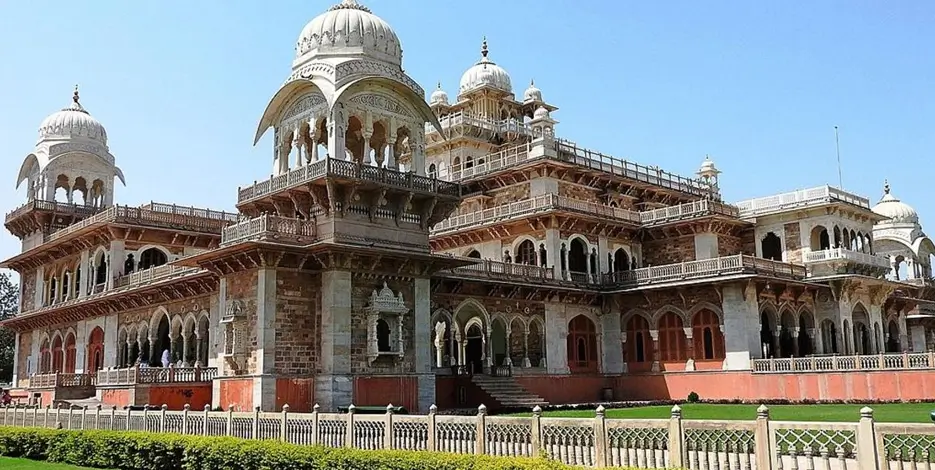
The route moves from Indo-Islamic and Mughal structures in Delhi and Agra to Rajput architecture in Jaipur, with a strong focus on layout planning, symmetry, material usage, and decorative elements. Key sites include the Taj Mahal, Agra Fort, Fatehpur Sikri, Amber Fort, City Palace, and the geometric Abhaneri stepwell.
Time at each location is structured to allow close observation of carvings, domes, courtyards, and spatial design. This Golden Triangle architecture tour in India suits travellers interested in history, design, and art, with a balanced pace that allows deeper understanding of each monument rather than rushed visits.
Arrival at Delhi airport is followed by a private transfer to the hotel. After check-in, time is given to rest and adjust. Later in the day, an introductory session is arranged to explain the architectural timeline that will be covered during the tour, including Mughal, Rajput, and earlier influences seen across North India.
The evening includes a short visit to nearby colonial-era structures in New Delhi, where wide roads, administrative buildings, and planned layouts provide contrast to older parts of the city. The focus here is on understanding British-era planning and how it differs from earlier styles.
Dinner is arranged at the hotel, followed by a briefing for the next day. Practical notes are shared on managing time at monuments, observing details, and understanding spatial layouts. Overnight stay in Delhi.
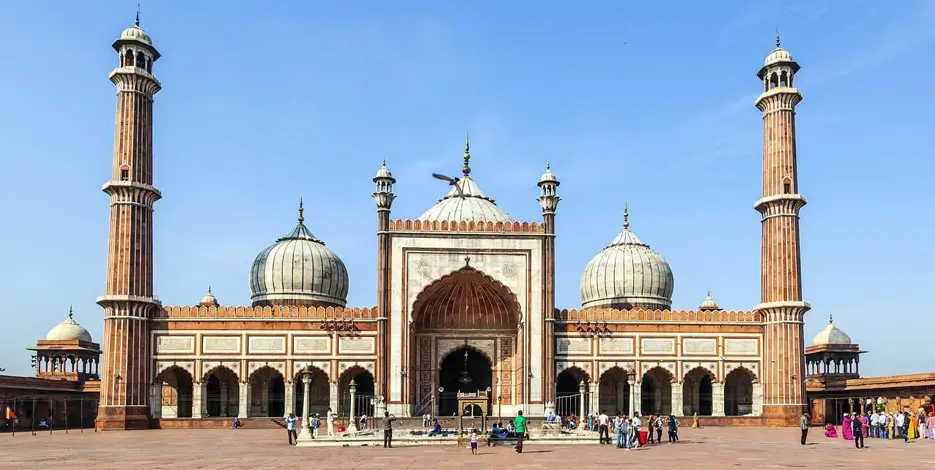
The day begins with a visit to Old Delhi, where narrow lanes, closely built structures, and mixed-use spaces show a different approach to urban planning. Areas around Jama Masjid and Chandni Chowk are covered to observe how religious, commercial, and residential spaces function together.
Attention is given to building materials, street width, and structural adjustments made over time. The guide explains how older cities evolved organically without central planning, resulting in dense yet functional layouts.
In the afternoon, the focus shifts back to New Delhi with visits to India Gate and surrounding government buildings. These locations highlight symmetry, axial planning, and large-scale construction. Evening return to the hotel for dinner and rest. Overnight stay in Delhi.
After breakfast, departure from Delhi towards Agra takes place via expressway. The journey includes brief stops to observe roadside structures and changing building styles as the region transitions from urban to semi-urban zones.
Upon arrival in Agra, check-in at the hotel is followed by a visit to Mehtab Bagh in the evening. From this location, the Taj Mahal is viewed across the river, allowing observation of its overall structure and symmetry without crowd interference.
The session focuses on understanding the monument’s alignment, proportions, and landscape integration. After sunset, return to the hotel for dinner. Overnight stay in Agra.
The day starts early with a visit to the Taj Mahal. Detailed time is allocated to study marble work, dome construction, calligraphy, and inlay techniques. The guide explains the planning behind the monument’s symmetry and structural balance.
After returning for breakfast, the next visit is Agra Fort. Here the focus shifts to defensive architecture combined with royal living spaces. Courtyards, halls, and passageways are studied to understand both function and design.
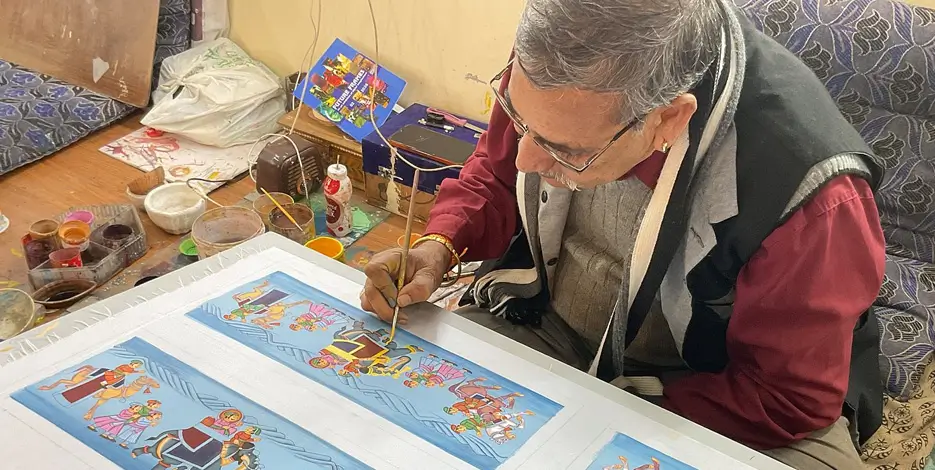
The afternoon allows time for optional visits to local workshops where traditional marble inlay work is still practised. Evening is kept relaxed for rest and discussion. Overnight stay in Agra.
After breakfast, departure from Agra begins with a stop at Fatehpur Sikri. This abandoned Mughal city provides insight into large-scale planning with clearly defined zones for administration, residence, and religious use.
Time is allocated to study gateways, courtyards, and building alignment. The use of red sandstone and structural detailing is explained in depth, showing how design was adapted to climate and function.
Later, the journey continues towards Jaipur with a stop at Abhaneri stepwell. The structure’s geometric precision and depth create a strong visual study of water management architecture. Arrival in Jaipur by evening with hotel check-in and dinner. Overnight stay in Jaipur.
The morning begins with a visit to Amber Fort, located on a hilltop. The fort’s layout includes defensive walls, entry gates, and internal courtyards. Attention is given to how the structure adapts to the terrain while maintaining functionality.
Interior sections such as halls and chambers are studied for decorative elements, including mirror work and carved stone. The guide explains the blend of Rajput and Mughal influences visible in the design.
In the afternoon, visits to City Palace and Jantar Mantar continue the architectural theme. These sites highlight royal residence planning and scientific structures respectively. Evening return to the hotel for dinner. Overnight stay in Jaipur.
After breakfast, the day focuses on Jaipur’s old city, which was built with a planned grid layout. Streets, markets, and residential zones are arranged systematically, offering a contrast to the organic growth seen in Old Delhi.
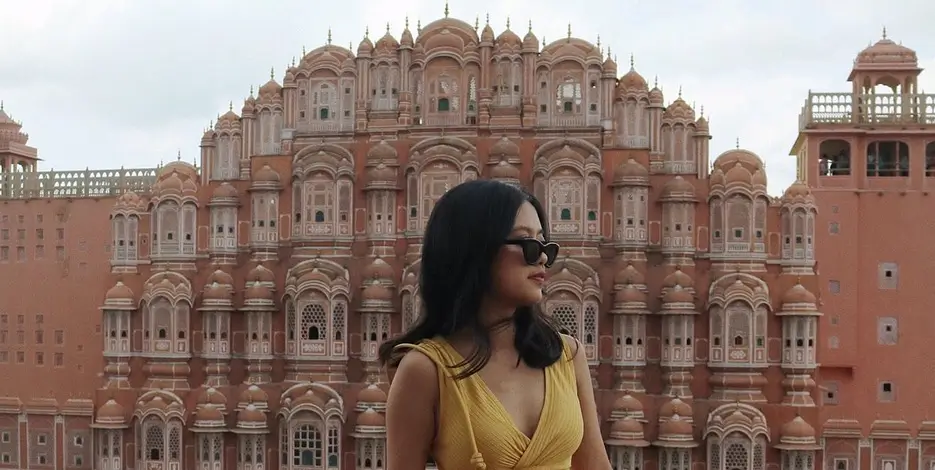
Visits include Hawa Mahal from the exterior, where its façade design and ventilation system are explained. Markets around the area show how commercial activity is integrated into the city’s planning.
The afternoon allows free time or optional revisits to selected sites for further observation. Evening discussion covers comparisons between Mughal and Rajput architectural styles observed during the trip. Overnight stay in Jaipur.
After breakfast, departure from Jaipur towards Delhi begins with a comfortable drive. En route, short stops are included for rest and refreshments.
The journey allows time to reflect on architectural styles observed throughout the tour, from Mughal monuments to Rajput forts and stepwells. Key learning points are summarised during the drive.
On arrival in Delhi, transfer to the airport or hotel is arranged as per onward travel plans. The tour concludes with a detailed understanding of architectural and artistic styles across the Golden Triangle region.
We promise you a holiday where everything is taken care of from the moment you land. Trusted drivers waiting for you, handpicked hotels that fit your style, personalized itineraries designed just for your family, and a dedicated team on call 24/7. All you need to do is relax, explore, and create unforgettable memories, while we take care of every detail behind the scenes.