Delhi - Agra - Jaipur - Jodhpur - Jawai - Udaipur
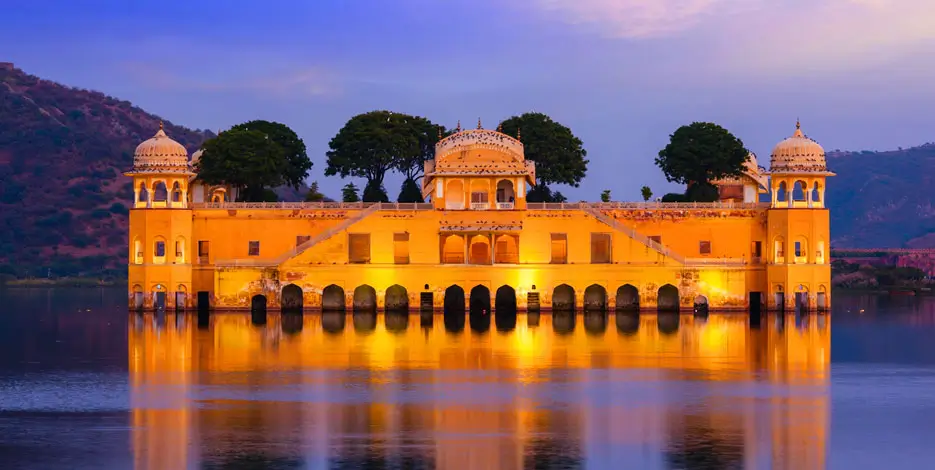
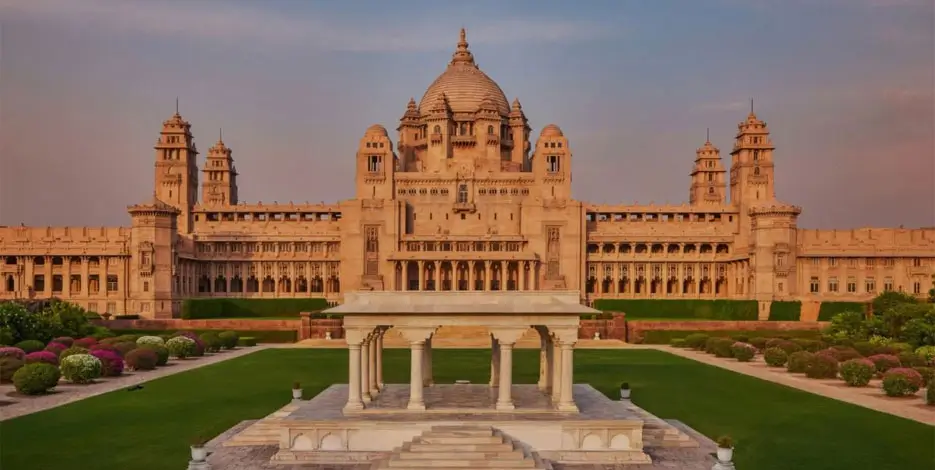
Rajasthan changes character considerably once the journey leaves its celebrated palace cities and moves towards the granite wilderness around Jawai. Designed around that contrast, this 11-day Rajasthan tour with Jawai Leopard Camp combines India's major historical landmarks with one of the state's most distinctive wildlife regions. Delhi, Agra, Jaipur, Jodhpur and Udaipur provide the architectural and cultural foundation of the journey, while Jawai introduces two nights among rocky hills, scrub country, rural settlements and leopard territory.
The tour begins privately in Delhi before travelling to Agra for the Taj Mahal and onwards to Jaipur, where Rajput architecture, fortified hills and the bazaars of the Pink City form a substantial part of the itinerary. Jodhpur follows with Mehrangarh Fort and the blue quarters of the old city before the route changes completely. Instead of travelling directly towards Udaipur, guests spend two nights in the Jawai region, an area known for its dramatic granite formations and a long-established leopard population living in a landscape shared with local pastoral communities.
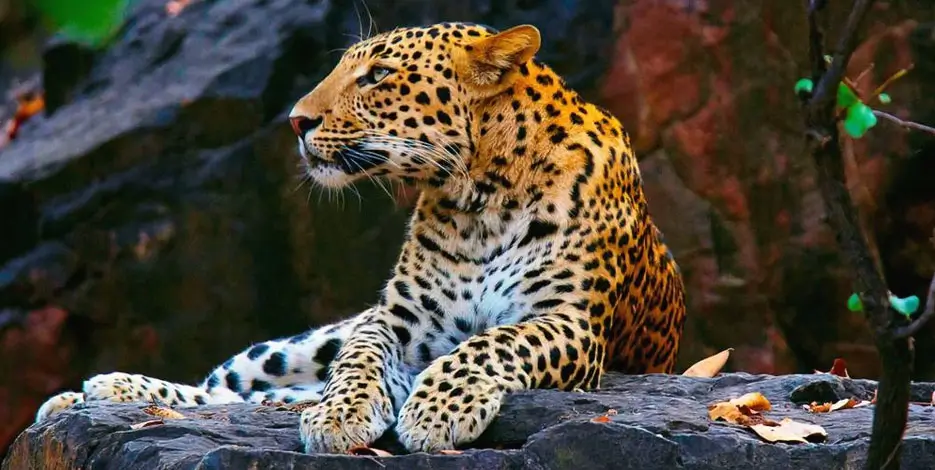
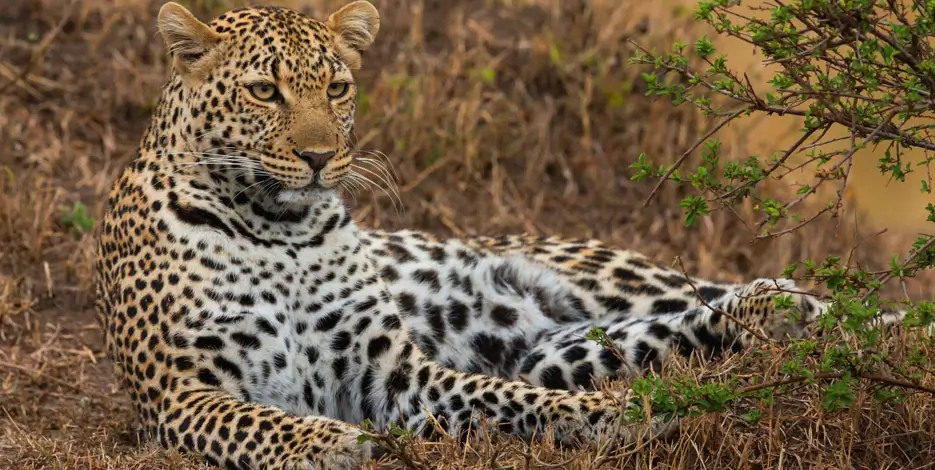
Jawai has been included as a genuine part of the itinerary rather than as a hurried wildlife stop. Two safari outings provide opportunities to search the surrounding hills for leopards and observe the wider landscape at different times of day. Wildlife remains completely natural, so sightings can never be guaranteed; the appeal of Jawai also lies in its scenery, birdlife, village environment and unusual coexistence between people and predators. The safari section works particularly well for travellers who want a Rajasthan wildlife tour without giving up the comfort and cultural depth of a private Rajasthan journey.
The final stage moves south to Udaipur, where lakes, palaces and the Aravalli landscape provide a relaxed finish after the safari country. Throughout the journey, road transfers are arranged by private air-conditioned car with driver, while local guides can provide detailed interpretation at the principal sightseeing destinations. The itinerary can also be adjusted around preferred hotel standards, additional safari drives, room categories and international flight schedules, making it suitable for couples, families and private groups seeking a more individual journey through Rajasthan.
Rather than concentrating exclusively on famous monuments, the route deliberately combines three different sides of northern India: Mughal heritage in Delhi and Agra, Rajput history across Rajasthan's major cities, and the rugged natural environment of Jawai. The result is a private Rajasthan tour with Jawai leopard safari that retains the important first-time highlights while adding a quieter and considerably different section between Jodhpur and Udaipur.
Your Rajasthan with Jawai Leopard Camp tour begins when you arrive at Delhi International Airport, where a representative will meet you after immigration, baggage collection and customs formalities. You will then be escorted to your private air-conditioned vehicle for the transfer to your hotel. Rather than placing sightseeing immediately after a long international flight, the first day is deliberately kept comfortable. After hotel check-in, there is time to settle into your room, recover from the journey and become accustomed to the local time zone before the more active touring begins.
Delhi is not simply an arrival point for this itinerary. The city has been the centre of several successive empires, and its monuments, neighbourhoods and ceremonial avenues provide useful historical context before travelling to Agra and Rajasthan. Depending on your arrival time, your driver can assist with a short orientation drive around the area near the hotel or take you to a suitable restaurant if you would prefer to dine outside. Guests arriving early in the morning can request an adjusted programme, while late-night arrivals can proceed directly to the hotel without unnecessary activities being added.
The remainder of the day is at leisure, allowing the itinerary to begin at a sensible pace. Your driver will discuss the following morning's collection time and any practical requirements for the road journey ahead. Travellers can also use the evening to exchange currency, arrange local connectivity or simply rest at the hotel. This flexible opening is particularly useful for guests travelling from Europe, North America or Australia, where overnight flights and time differences can make an overloaded first day uncomfortable. Overnight stay in Delhi.
After breakfast, meet your private guide and begin a full-day introduction to Delhi. The morning concentrates on Old Delhi, the densely built historic quarter associated with the Mughal capital of Shahjahanabad. Visit Jama Masjid, one of India's important historic mosques, before continuing through the surrounding lanes and market districts. A rickshaw ride through parts of Chandni Chowk can be arranged where local operating conditions permit, giving you a closer view of the old commercial neighbourhoods that cannot be appreciated properly from a car.
Continue towards the Raj Ghat area, associated with Mahatma Gandhi, before moving into New Delhi. The change in urban character is striking: crowded historic lanes give way to broad avenues, government buildings and landscaped areas planned during the British period. Drive through the central administrative district to see India Gate and the principal government buildings from appropriate public viewing areas. Your guide will connect these different periods rather than treating each monument as an isolated stop, helping make sense of Delhi's development from imperial capitals to modern India.
Later, visit Humayun's Tomb, an important example of early Mughal garden-tomb architecture and a particularly relevant stop before seeing the Taj Mahal in Agra. Time permitting, the programme can also include Qutub Minar and its surrounding archaeological complex. The exact sequence may be adjusted according to traffic, monument opening schedules and the location of your hotel. After completing the sightseeing, return by private car for a relaxed evening. Your guide and driver can recommend dining options according to your preference for Indian or international cuisine. Overnight stay in Delhi.
Following breakfast and hotel check-out, leave Delhi in your private vehicle for Agra. The journey normally uses the modern expressway, making the road transfer considerably more comfortable than older highway routes. Your driver will arrange appropriate stops when required, and the private format means you are not tied to a coach timetable. On arrival in Agra, meet your local guide and proceed according to the day's schedule, with hotel check-in arranged either before or after sightseeing depending on arrival time and room availability.
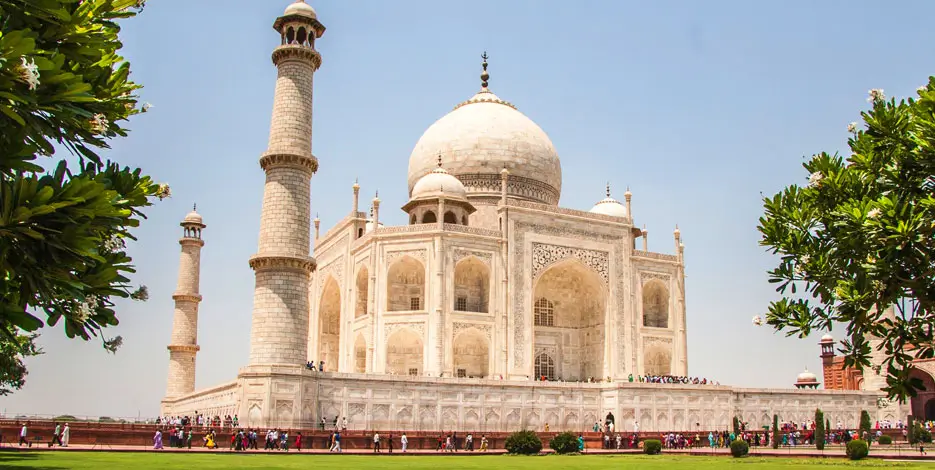
The principal visit is the Taj Mahal, commissioned by Mughal emperor Shah Jahan in memory of Mumtaz Mahal. Your guide will explain the layout of the complex, the symmetry of its gardens, the use of white marble, decorative stone inlay and the architectural details that are easily overlooked during an unguided visit. Enough time is allowed to walk through the main complex and view the monument from different positions rather than treating the Taj Mahal as a quick photographic stop. The Taj Mahal is normally closed to visitors on Fridays, so the sightseeing order will be modified when required.
Continue to Agra Fort, the massive Mughal fortification on the banks of the Yamuna River. Its palaces, audience halls, courtyards and defensive walls reveal a different side of Mughal architecture from the Taj Mahal. Several generations of Mughal rulers altered and expanded the complex, giving the guide an opportunity to explain the political history of Agra as well as its architecture. Afterwards, transfer to your hotel. Depending on daylight, local conditions and personal interest, additional viewpoints can be discussed with your guide. The evening remains free for dinner and rest. Overnight stay in Agra.
After breakfast, check out from the hotel and begin the private drive from Agra towards Jaipur. Today's journey marks the transition from the Mughal centres of Delhi and Agra into Rajasthan. Instead of treating the transfer simply as a long driving day, the route can incorporate a stop at Abhaneri, home to Chand Baori, subject to access and local opening arrangements. This vast geometric stepwell demonstrates a form of water architecture very different from the forts and palaces that dominate the better-known Rajasthan sightseeing circuit.
At Abhaneri, descend to the permitted viewing level and observe the striking arrangement of narrow steps built around the deep reservoir. Your guide or accompanying arrangements can provide background on the practical importance of stepwells in regions where water conservation was historically essential. The stop also breaks the road journey naturally and introduces a more rural setting before Jaipur. Lunch can be taken en route at a suitable restaurant or heritage property depending on timing and your preference.
Continue to Jaipur, Rajasthan's famous Pink City and an essential component of a Delhi Agra Jaipur Rajasthan tour. On arrival, check into your selected hotel and take some time to relax after the drive. If daylight and energy levels permit, your driver can take you through parts of the old city for an initial look at Jaipur's bazaars and distinctive terracotta-coloured facades. More extensive sightseeing is reserved for the following day so that Amber Fort and the central monuments can be visited without rushing. The evening is free for dinner at the hotel or a recommended local restaurant. Overnight stay in Jaipur.
Begin the morning with a drive towards Amber Fort, situated above the old settlement of Amer outside central Jaipur. The fortified palace complex contains gateways, courtyards, audience spaces and private royal sections constructed and modified by successive rulers. Enter by the appropriate visitor route and walk through the principal sections with your guide, who will explain the defensive position of the fort as well as the decorative craftsmanship within its more elaborate chambers. The elevated location also provides broad views across the surrounding hills and Maota Lake.
Return towards central Jaipur, stopping at a suitable viewpoint near Hawa Mahal. Its famous multi-windowed facade was designed as part of the royal city architecture and remains one of Jaipur's most recognisable structures. Continue to City Palace, where courtyards, gateways, museum collections and royal buildings illustrate Jaipur's courtly history. Nearby, visit Jantar Mantar, the remarkable astronomical observatory whose monumental instruments demonstrate the scientific interests of Maharaja Sawai Jai Singh II. Having a knowledgeable guide here is particularly valuable because the instruments make considerably more sense when their functions are properly explained.
Later in the afternoon, spend some time around Jaipur's traditional commercial quarters. Depending on your interests, the guide can direct you towards reputable areas for textiles, jewellery, block-printed fabrics, carpets or handicrafts without making shopping compulsory. Guests who prefer photography or street life can instead concentrate on the old city's gates, market streets and neighbourhoods. Return to the hotel after sightseeing and enjoy the evening at leisure. Jaipur also has several excellent heritage and fine-dining options that can be incorporated on request. Overnight stay in Jaipur.
After breakfast, check out and meet your driver for the journey west to Jodhpur. This is one of the longer road sections of the itinerary, but travelling by private vehicle allows stops to be managed according to your comfort rather than a fixed group-tour schedule. As Jaipur's urban surroundings recede, the scenery becomes increasingly open and gives a better impression of Rajasthan beyond its major tourism centres. Small towns, agricultural areas and increasingly dry landscapes accompany the route towards the former kingdom of Marwar.
A comfortable lunch stop will be arranged en route, with the exact location selected according to progress and road conditions. The journey itself is useful for understanding the scale of Rajasthan and the geographical differences between Jaipur, Jodhpur and the greener southern regions around Udaipur. Your driver remains with you throughout the principal road sector of this private Rajasthan tour, which avoids repeated changes of transport and makes luggage handling considerably easier. Short comfort or photography stops can be made whenever safe and practical.
Arrive in Jodhpur later in the day and check into your hotel. Known for the blue-painted houses clustered below Mehrangarh Fort, Jodhpur has a markedly different atmosphere from Jaipur. Depending on arrival time, the evening can be left entirely for rest or used for a short visit around the local market area. The imposing outline of Mehrangarh above the old city provides the first indication of what will be visited in detail the next morning. Dinner can be arranged at the hotel or independently at a local restaurant. Overnight stay in Jodhpur.
After breakfast, begin at Mehrangarh Fort, rising dramatically above Jodhpur on a rocky escarpment. The fort is one of the strongest visual landmarks on the Rajasthan route, with massive defensive walls protecting a succession of gateways, courtyards and palace rooms. Spend sufficient time inside the complex rather than limiting the visit to its exterior viewpoints. Collections and interior spaces help illustrate the history of Marwar's rulers, while the ramparts provide outstanding views over the densely packed blue houses of the old city.
Continue to Jaswant Thada, the elegant marble memorial situated near Mehrangarh. Its quieter setting provides a contrast to the scale of the fort and allows time to understand another aspect of Jodhpur's royal heritage. Later, head towards the old city and the area around Clock Tower and Sardar Market. Walking sections can be adjusted according to weather and personal mobility. The narrow lanes, spice shops, food stalls, textile merchants and traditional businesses reveal a side of Jodhpur that is difficult to appreciate from the major monuments alone.
The afternoon can be kept flexible because the next stage of the tour introduces the wildlife section at Jawai. Travellers who prefer additional sightseeing may discuss options with the guide, while those staying at a heritage or luxury hotel may prefer to return earlier and enjoy the property. Your driver will also confirm the following day's departure arrangements. This balance prevents the itinerary from becoming an uninterrupted sequence of monument visits before the landscape changes substantially on the road towards Jawai. Overnight stay in Jodhpur.
Leave Jodhpur after breakfast and travel south towards the Jawai region, one of the most distinctive landscapes included in this Rajasthan itinerary. The transition is gradual: urban Jodhpur disappears behind you, villages become smaller and the countryside begins to reveal the granite outcrops for which Jawai is known. Rather than resembling a conventional national park enclosed behind a boundary, Jawai consists of open rural country, rocky hills, scrub vegetation, agricultural land and settlements where wildlife and local communities occupy the same broader landscape.
On arrival, check into your selected Jawai leopard camp or wilderness lodge and have time to settle into the property. Accommodation here is deliberately different from the city hotels used earlier in the journey. Depending on the chosen category, stays may range from comfortable safari camps to high-end wilderness lodges with highly personalised service. Lunch and some downtime can be arranged before the safari programme. Your camp team will explain local safari procedures, suitable clothing, departure timings and the nature of wildlife viewing in this terrain.
Later, set out on a Jawai leopard safari in an appropriate safari vehicle with a local naturalist or tracker according to the lodge's operating arrangements. The granite formations contain caves and sheltered areas used by leopards, and experienced local teams follow signs and known movement patterns while respecting the animals' space. A leopard sighting is never guaranteed, and the safari should not be presented as a zoo-like encounter; part of Jawai's attraction is searching an unrestricted landscape where wildlife behaves naturally. Return to camp after the drive for dinner and a quiet evening in the wilderness. Overnight stay in Jawai.
An early start provides another opportunity to enter the Jawai landscape when temperatures are cooler and wildlife activity can be more favourable. Depart with the safari team for a morning leopard tracking drive, moving between granite formations and open areas where trackers look for fresh signs or distant movement. The changing light across the rocks is an important part of the experience even when wildlife remains elusive. Binoculars are useful because sightings can occur at considerable distance, particularly when leopards are resting high among the rocky formations.
Return to the camp for breakfast and a slower middle section of the day. Depending on the lodge selected and the activities it operates, there may be opportunities for birdwatching, guided walks, reservoir-side outings or culturally sensitive visits connected with the surrounding rural communities. Jawai is also noted for its birdlife, particularly around wetland areas, although species and numbers naturally vary by season. Guests who prefer a quieter programme can remain at the lodge, enjoy lunch and use the afternoon for rest before the next wildlife drive.
Later, head out again for an evening Jawai safari, giving you a second time-of-day perspective on the granite wilderness. Having multiple drives is important because no responsible wildlife itinerary can promise a leopard appearance on a particular outing. The tracker may choose different sectors according to recent animal movement and local conditions. As daylight fades, return to the lodge for your final evening in Jawai. Dinner and overnight accommodation provide a relaxed end to the wildlife portion before the journey returns to Rajasthan's palace cities. Overnight stay in Jawai.
After breakfast at the camp, check out and rejoin your private driver for the journey towards Udaipur. Leaving Jawai brings another noticeable change in scenery as the route passes through southern Rajasthan and the Aravalli region. Depending on the final routing, road conditions and your interests, an en-route heritage stop may be incorporated by prior arrangement. The emphasis today, however, is on travelling comfortably to Udaipur rather than adding too many sightseeing stops after two early safari schedules.
Arrive in Udaipur, a city built around lakes and surrounded by hills, and transfer to your chosen hotel. Udaipur works particularly well as the final substantial stop because its atmosphere is less hurried than Delhi or Jaipur and its setting is markedly different from Jawai's granite wilderness. Hotel choices range from characterful heritage properties within the old city to high-end lake-facing hotels and some of Rajasthan's best-known luxury addresses. The accommodation category can therefore be tailored substantially according to the style and budget of the journey.
The remainder of the afternoon or evening is intentionally flexible. Guests arriving with sufficient daylight may walk through parts of the old city or spend time around Lake Pichola, while others may simply enjoy the hotel after the drive. A rooftop or lake-facing dinner can be arranged independently or incorporated on request. The full guided sightseeing programme is reserved for the following morning, allowing City Palace and the surrounding historic quarter to receive proper time rather than being squeezed into the arrival day. Overnight stay in Udaipur.
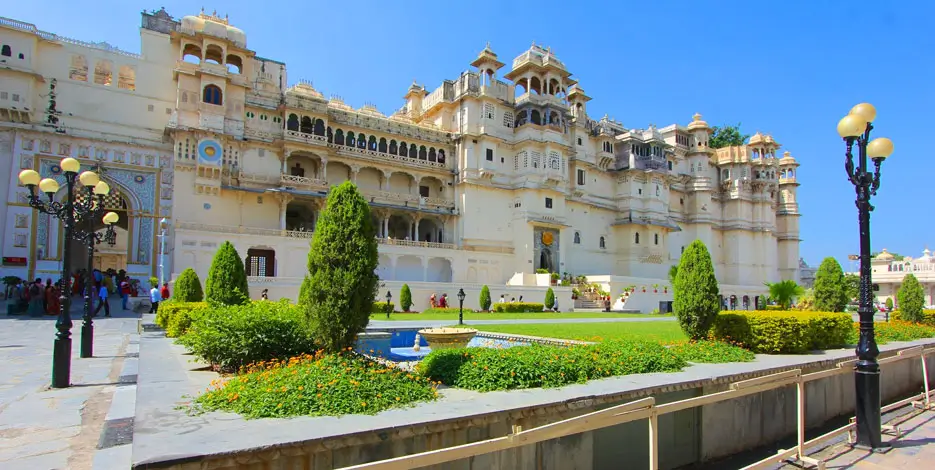
After breakfast, meet your Udaipur guide and begin with the magnificent City Palace, built over several centuries by the rulers of Mewar. The complex occupies a commanding position above Lake Pichola and contains interconnected courtyards, balconies, corridors and decorated royal rooms. Your guide will explain how the palace developed under successive rulers and why Mewar's political history differs in important ways from several other Rajput kingdoms visited earlier on the journey. Allowing adequate time here is worthwhile because City Palace is extensive and contains numerous architectural details.
Continue into the historic area around Jagdish Temple and the lanes descending towards the lake. Depending on your flight schedule and interests, additional sightseeing can be arranged locally. When operating conditions and available time permit, a Lake Pichola boat ride can also be considered, offering views towards the City Palace, ghats and island buildings from the water. Boat operations are subject to local schedules, weather and water conditions, so they are best treated as an optional activity rather than a guaranteed component when a same-day flight is involved.
At the appropriate time, your private vehicle will transfer you to Udaipur Airport for your onward flight, normally connecting through Delhi or another major Indian gateway according to your international travel arrangements. Travellers who prefer not to fly immediately can add an extra night in Udaipur, while longer itineraries can continue towards Mumbai, Gujarat or other parts of India. Your 11-day Rajasthan tour with Jawai Leopard Safari ends with the airport transfer, completing a route that has moved from Mughal Delhi and Agra through Rajasthan's royal cities to leopard country and finally the lakes of Udaipur.
We promise you a holiday where everything is taken care of from the moment you land. Trusted drivers waiting for you, handpicked hotels that fit your style, personalized itineraries designed just for your family, and a dedicated team on call 24/7. All you need to do is relax, explore, and create unforgettable memories, while we take care of every detail behind the scenes.