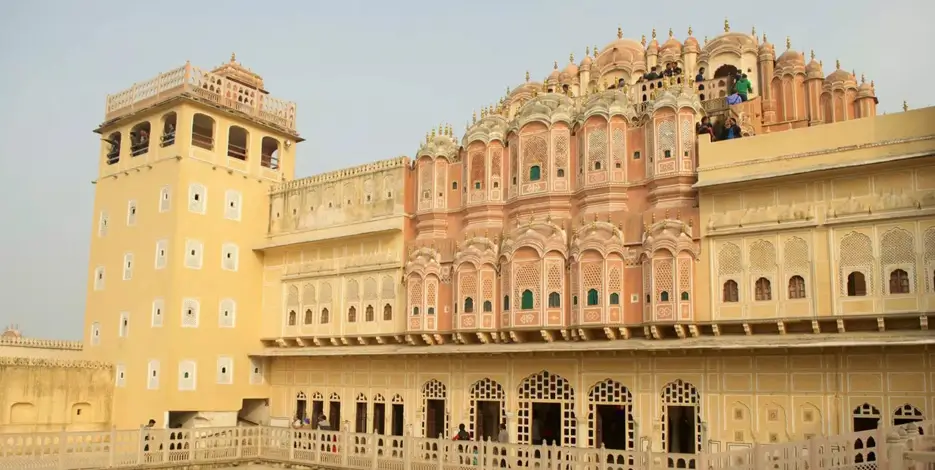
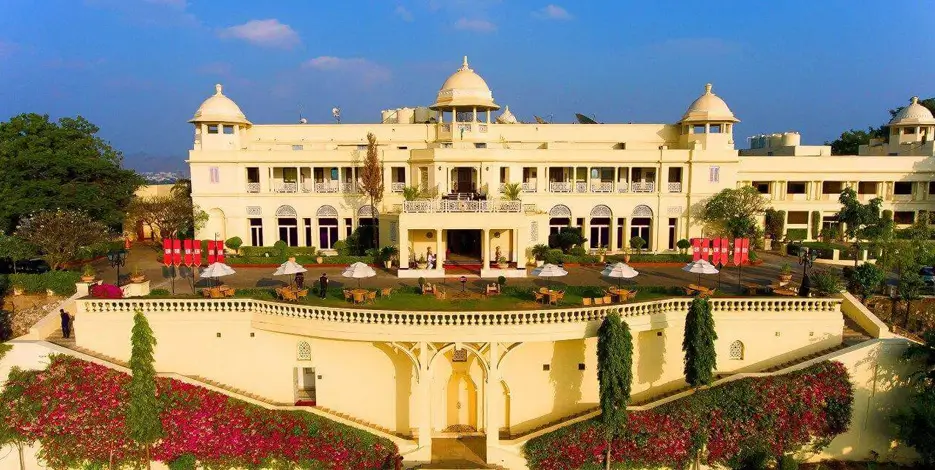
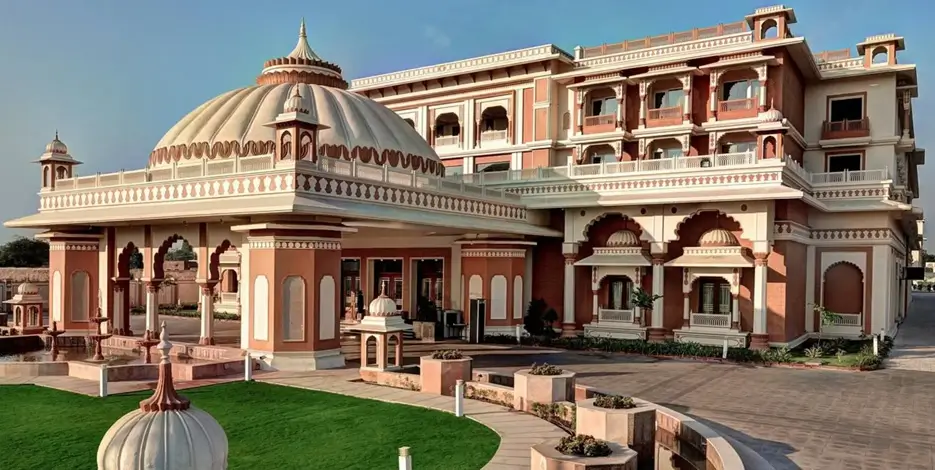
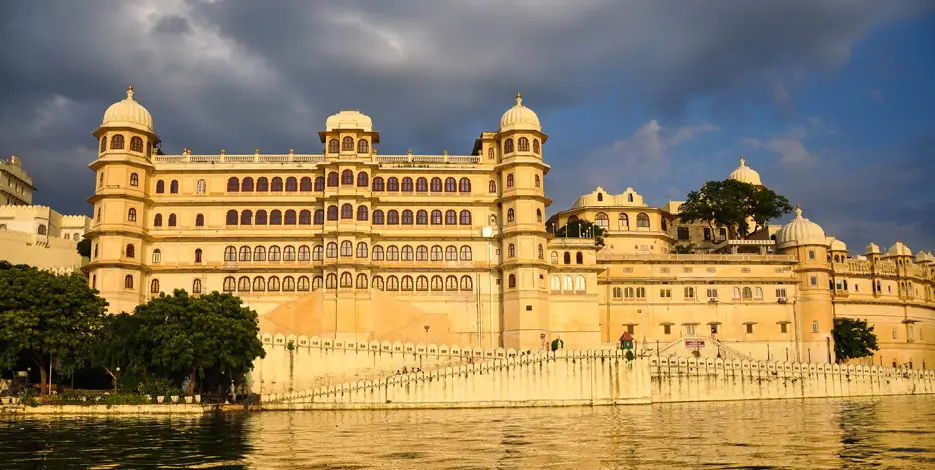
Delhi - Agra - Mandawa - Jaipur- Udaipur
Northern India’s travel routes often focus on large cities, but this itinerary shifts that pattern by bringing in the Shekhawati region, where Mandawa introduces a quieter setting shaped by merchant history and painted havelis. The journey begins in Delhi, where wide colonial avenues sit alongside dense old quarters, creating a contrast that defines the capital. From there, the route moves to Agra, where Mughal-era architecture and the Taj Mahal remain central, not just as a monument but as part of a broader historical landscape along the Yamuna River.
Moving beyond Agra, the transition towards Mandawa changes both geography and pace. Roads pass through smaller towns and agricultural land before reaching Shekhawati, a region known for its trading past and elaborately painted mansions built by merchant families. These havelis reflect stories of trade routes, wealth, and social life from earlier centuries. Unlike larger cities, Mandawa offers a slower rhythm, where exploration happens on foot through narrow streets rather than structured city drives.
Jaipur reintroduces a larger urban environment but with a distinct character shaped by Rajput rulers. The city’s forts, palace complexes, and planned layout reflect administrative precision combined with defensive design. Markets, courtyards, and historical observatories add layers to the visit, giving context to how the region developed over time. The journey then continues south towards Udaipur, where the terrain shifts again, moving into lake surroundings and hill-framed landscapes.
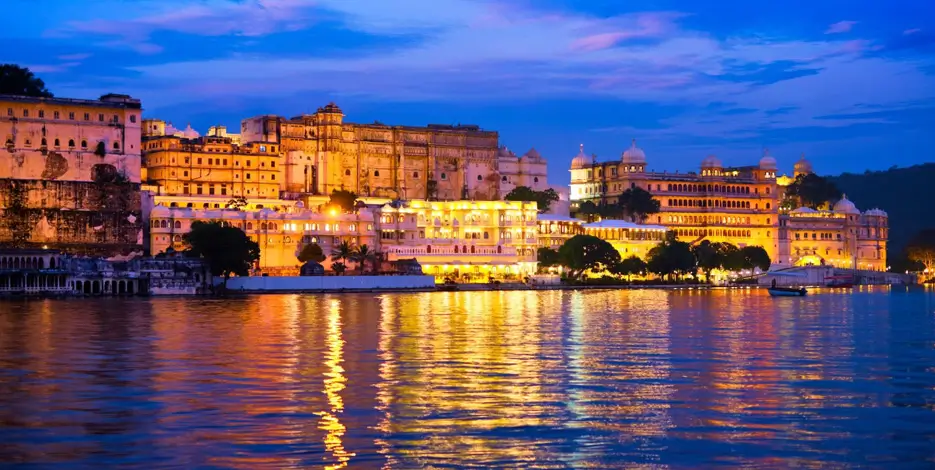
Udaipur changes the overall tone of the trip by slowing the pace after multiple road journeys. The city’s connection to water, through Lake Pichola and surrounding ghats, creates a setting where sightseeing and leisure exist together without pressure. Evenings tend to centre around the lake, with views of palaces and quiet streets rather than busy marketplaces. The route overall moves through different environments—capital city, Mughal centre, merchant town, royal capital, and lake destination—without repeating the same experience.
This itinerary suits couples who prefer variety in their travel rather than staying within one type of destination. It balances structured sightseeing with time to pause, and it introduces regions that are often missed on standard routes. The inclusion of a heritage haveli stay in Mandawa adds a local dimension that differs from conventional hotel experiences, making the journey feel grounded in the places it passes through.
Landing at Delhi’s international airport, you are received after immigration and escorted towards your waiting vehicle, parked in the designated pickup zone. The transfer into the city usually takes between 30 to 60 minutes, depending on the time of arrival and traffic flow through the main arterial roads. As you drive towards your hotel, you pass government districts, flyovers, and glimpses of everyday city movement that give an immediate sense of scale. Check-in is pre-arranged so that formalities are handled quickly and you can proceed directly to your room.
Once settled, the schedule remains open rather than fixed, giving time to recover after travel. If you feel ready to step out, a short drive through central Delhi areas such as India Gate and the surrounding boulevards can be arranged. These areas represent the planned side of the city, built during the colonial period, and contrast with the older quarters you will see later. Lunch or light snacks can be taken either at the hotel or at a nearby restaurant depending on your arrival timing.
As evening approaches, the focus remains on rest and adjustment rather than heavy sightseeing. Dinner is arranged at the hotel, offering both Indian and international options. If arriving early in the day, you may opt for a spa session to ease travel fatigue. Overnight stay is in Delhi.
The day begins with breakfast before heading into Old Delhi, where narrow streets, dense markets, and historic mosques define the area. You visit Jama Masjid and nearby lanes where local trade has continued for generations. A short rickshaw ride takes you through parts of Chandni Chowk, giving a closer look at shops selling spices, textiles, and street food. The guide explains both historical context and present-day use of the area without rushing the visit.
Later, the route shifts to New Delhi, where wide roads and planned architecture reflect a completely different phase of the city’s development. Stops include Humayun’s Tomb, known for its symmetrical layout, and Qutub Minar, which stands as one of the tallest stone towers in India. Lunch is arranged before departure to Agra, ensuring a comfortable break before the road journey begins.
The drive to Agra via Yamuna Expressway takes around four hours, with smooth road conditions for most of the route. Upon arrival, check-in is completed at your hotel located near the Taj Mahal area. The evening remains free, allowing you to rest or take a short walk within the hotel premises. Dinner is arranged at the hotel, followed by overnight stay in Agra.
Before sunrise, you leave the hotel for the Taj Mahal visit, timed to enter as the gates open. Early morning light changes gradually across the marble structure, and the timing helps avoid the heavier crowds that arrive later. The guide walks you through the complex, explaining its construction, layout, and historical background while leaving enough time for quiet observation and photographs.
Returning to the hotel, breakfast is served before continuing the day’s exploration. The next visit is Agra Fort, a large red sandstone complex that served as a Mughal residence and administrative centre. From certain sections, the Taj Mahal can be seen in the distance across the river. The visit includes both open courtyards and enclosed halls, each with its own function during the Mughal period.
The afternoon is left open so you can rest after the early start. You may choose to stay within the hotel or visit local artisan workshops known for marble inlay work. Evening dinner is arranged at the hotel, and overnight stay continues in Agra.
Leaving Agra after breakfast, the route heads towards Mandawa, covering a distance that usually takes around 5 to 6 hours depending on traffic and stops. The landscape gradually changes as highways give way to smaller roads, passing through agricultural areas and small towns. The journey itself becomes part of the experience, showing a side of North India that differs from major tourist centres.
A stop for lunch is arranged along the way at a suitable restaurant, allowing a break during the longer drive. As you approach the Shekhawati region, the environment becomes quieter, with fewer large buildings and more traditional structures. Arrival in Mandawa is followed by check-in at a heritage haveli, where architecture reflects local building styles and painted interiors.
The evening is spent within the haveli, where courtyards and open spaces create a relaxed setting. Dinner is served at the property, often featuring regional dishes. Overnight stay is in Mandawa.
Morning in Mandawa begins with breakfast at the haveli before stepping out for a guided walk through the town. The streets are lined with havelis built by merchant families, many of which feature painted walls depicting mythological scenes, trade journeys, and daily life. The guide explains the significance of these artworks and how the town developed as part of trade routes in the region.
The walking tour moves through narrow lanes, with stops at selected havelis that are accessible from inside. Unlike larger monuments, these structures provide a closer look at residential architecture from a different period. The pace remains slow, allowing time to observe details rather than rushing between sites.
After completing the visit, departure is scheduled for Jaipur, with a drive of approximately four hours. Lunch is arranged during the journey or after arrival depending on timing. Check-in is completed at your hotel in Jaipur, and the evening is kept free for rest. Dinner is arranged at the hotel, followed by overnight stay in Jaipur.
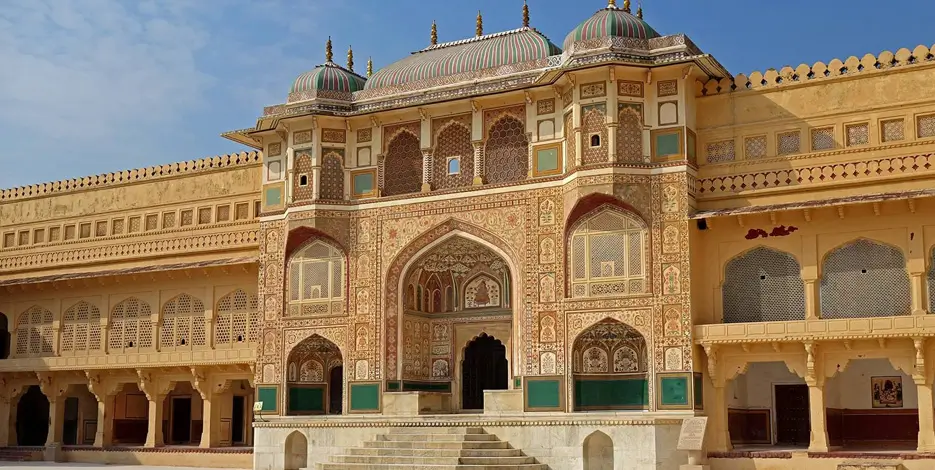
Breakfast is served at the hotel before departing for Amber Fort, located about 30 minutes from the city centre. The road climbs gradually towards the fort, offering views of surrounding hills and defensive walls that stretch across the ridges. Entry is timed in the morning to avoid peak crowds, and the guide walks you through courtyards, audience halls, and residential sections once used by the royal family. The structure reflects a combination of defensive planning and residential design, with multiple layers built over time.
After descending from Amber Fort, the route returns to central Jaipur where the focus shifts to City Palace and Jantar Mantar. City Palace includes museum sections displaying textiles, weapons, and royal artefacts, while Jantar Mantar features large astronomical instruments used for timekeeping and celestial observations. Lunch is arranged at a restaurant within the city, allowing a break before continuing the day.
The evening is kept open for either a short visit to local markets such as Johari Bazaar or time back at the hotel. Jaipur’s markets are known for jewellery, textiles, and handicrafts, though visiting them remains optional. Dinner is arranged at the hotel, followed by overnight stay in Jaipur.
The day begins with breakfast followed by checkout and departure towards Udaipur. The distance between the two cities is covered over approximately 6 to 7 hours, depending on road conditions and stops along the way. The route moves through parts of Rajasthan that show a mix of dry terrain and gradually changing landscapes as you approach the southern region of the state.
A stop for lunch is arranged at a suitable highway restaurant, allowing time to rest before continuing the journey. The drive is paced with short breaks to ensure comfort, especially over the longer distance. As you near Udaipur, the surroundings begin to include hills and water bodies, marking a visible shift in geography compared to earlier destinations.
Upon arrival in Udaipur, check-in is completed at your hotel. The evening is kept free so you can relax after the journey or take a short walk near the property if time permits. Dinner is arranged at the hotel, followed by overnight stay in Udaipur.
Breakfast is served at the hotel before starting a guided exploration of Udaipur. The first visit is to City Palace, a large complex built over several centuries, overlooking Lake Pichola. The guide explains how different rulers added sections over time, creating a layered structure with courtyards, balconies, and internal passages.
The tour continues with visits to Jagdish Temple and Saheliyon Ki Bari, both located within short driving distance. These sites are smaller compared to earlier monuments but provide insight into daily life and royal leisure spaces. Lunch is arranged either in the city or back at the hotel depending on your schedule.
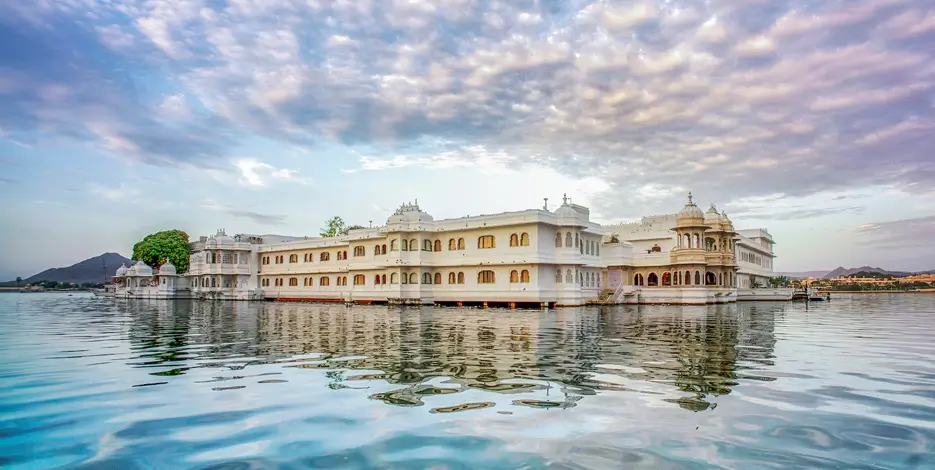
In the evening, a boat ride on Lake Pichola is arranged, offering views of City Palace, Jag Mandir, and surrounding ghats from the water. The timing is planned close to sunset for better light conditions. Dinner is served at the hotel, followed by overnight stay in Udaipur.
Breakfast is served at the hotel, and the day is left without fixed sightseeing plans. This gives you the flexibility to decide how to spend your time based on your interests. Some couples prefer staying within the hotel, while others choose to explore nearby markets or cafes in the old city area.
Optional visits can include Sajjangarh Palace, also known as Monsoon Palace, which offers elevated views of the surrounding region. Alternatively, time can be spent at the hotel using facilities such as pool or spa. Lunch can be arranged either at the hotel or outside depending on your plans.
The evening is reserved for relaxation, with dinner arranged at the hotel or a selected restaurant. The final night in Udaipur is kept simple without additional activities. Overnight stay continues in Udaipur.
Breakfast is served at the hotel before checkout based on your departure timing. A private transfer is arranged to Udaipur airport, with the drive taking approximately 30 to 40 minutes depending on traffic. Assistance is provided for luggage handling and drop-off at the terminal.
The transfer is planned in advance to avoid delays, ensuring a comfortable departure process. Depending on your flight schedule, there may be time for a short stop, though this is generally avoided to maintain a smooth timeline.
This marks the end of the honeymoon tour covering Delhi, Agra, Mandawa, Jaipur and Udaipur with a combination of city travel and heritage stay experiences.
We promise you a holiday where everything is taken care of from the moment you land. Trusted drivers waiting for you, handpicked hotels that fit your style, personalized itineraries designed just for your family, and a dedicated team on call 24/7. All you need to do is relax, explore, and create unforgettable memories, while we take care of every detail behind the scenes.