Delhi - Agra - Jaipur - Mumbai
India’s historic north and its most internationally visible urban centre rarely come together in a single itinerary with balanced pacing. This 12-day route connects Delhi, Agra, Jaipur, and Mumbai in a way that allows both architectural depth and contemporary cultural context to be understood without compression.
The journey begins in Delhi, where diplomatic zones, Mughal-era streets, and structured colonial planning exist within a single urban framework. Agra narrows the narrative to architectural precision, where the Taj Mahal and Agra Fort define a focused exploration of Mughal design. Jaipur then introduces Rajasthan’s royal planning, where forts and palace complexes are positioned within a carefully laid-out city grid.
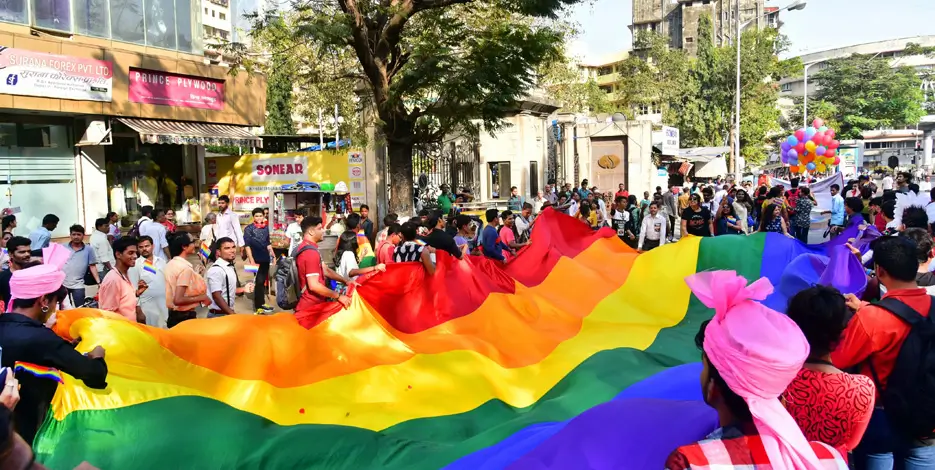
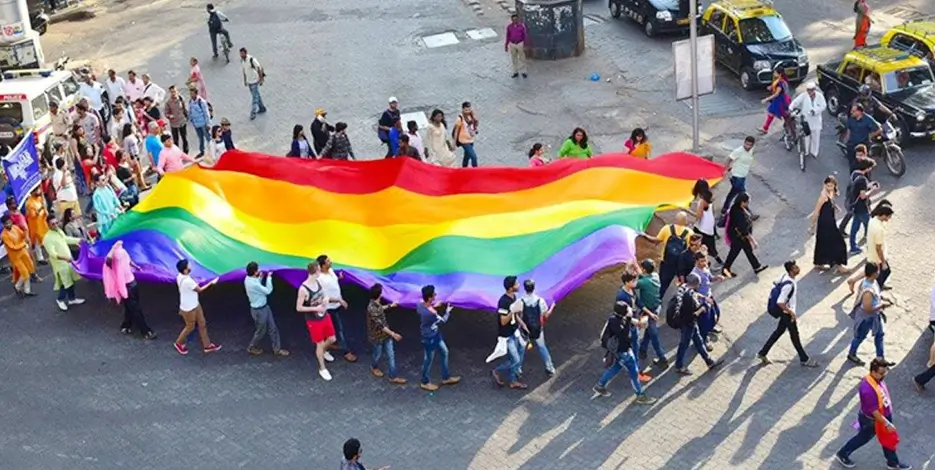
The final segment in Mumbai shifts the tone entirely. The city’s coastal geography, financial influence, and film industry presence create a different pace and visual environment. The itinerary is timed around participation in the Queer Azaadi March, which reflects a public expression of identity within India’s largest metropolitan setting.
Accommodation throughout is selected for discretion, international service standards, and consistent guest handling. This LGBTQ Golden Triangle Mumbai tour is suited for travellers who want structured heritage access combined with a real-time urban cultural moment.
Arrival at Delhi airport is managed through a private meet-and-greet, where assistance is provided from exit gates to your waiting vehicle. The drive into the city moves through wide expressways and diplomatic zones, gradually transitioning into central districts where your hotel is located. Early check-in is arranged to ensure immediate access to your room without delay after travel.
The first half of the day is kept free to allow recovery, especially for long-haul travellers. In the afternoon, a private consultation is conducted in a quiet section of the hotel lounge where your guide outlines the structure of the itinerary. Timing, pace, and any personal preferences are discussed in detail to ensure that the journey remains comfortable throughout.
Dinner is arranged within the hotel, where menus are designed to introduce Indian flavours in a controlled and balanced way. The setting is calm, often within indoor dining spaces or garden areas. It is advisable to rest early, as the next day introduces deeper city movement.
The day begins with a mid-morning departure to Old Delhi, ensuring that peak congestion is avoided while still experiencing active market hours. Movement through Chandni Chowk is managed using rickshaw routes, allowing you to pass through spice markets, jewellery lanes, and textile clusters without extended walking.
The guide explains how these markets have operated continuously for centuries, with trade patterns remaining largely unchanged. A stop near Jama Masjid provides a clear view of Mughal-era planning, where commercial and religious spaces were integrated within a compact area. The pacing remains steady, allowing observation rather than rushed coverage.
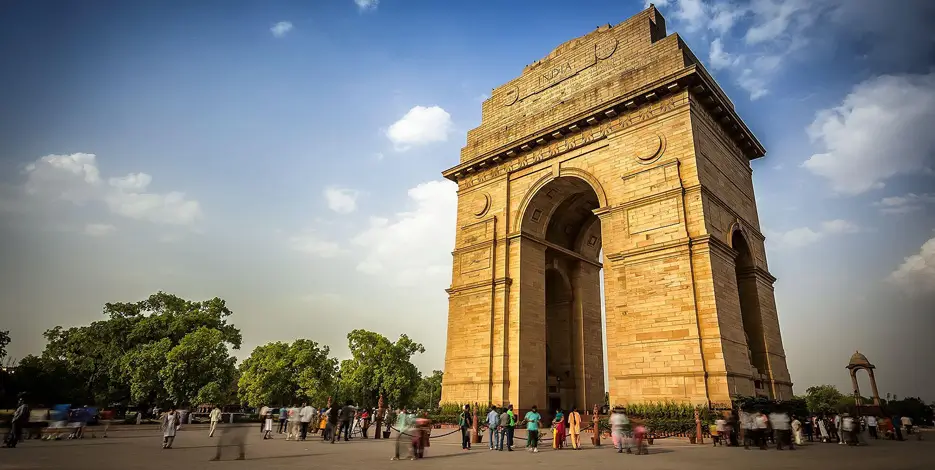
In the afternoon, the transition into New Delhi reveals a completely different structure. Wide boulevards, symmetrical layouts, and controlled green spaces around India Gate and Rashtrapati Bhavan demonstrate colonial-era planning. Evening return to the hotel is followed by dinner in a refined setting with minimal external disturbance.
Departure from Delhi begins after breakfast using the Yamuna Expressway, allowing a smooth and uninterrupted drive towards Agra. The shift in landscape is gradual, with urban density giving way to agricultural plains and smaller roadside settlements.
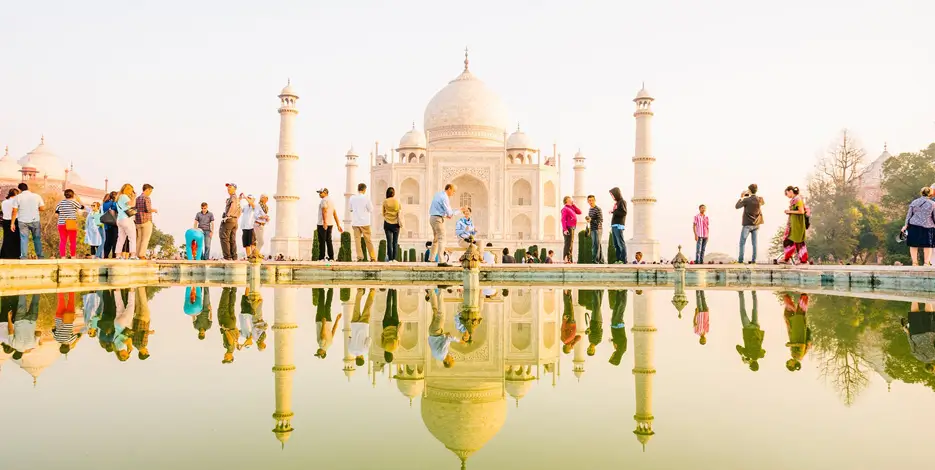
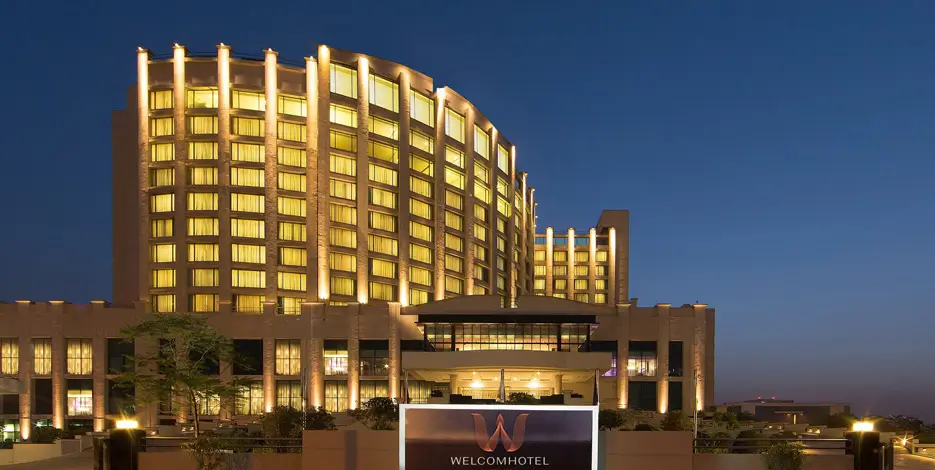
On arrival, check-in is completed at a luxury hotel known for proximity to the Taj Mahal. These properties often include Mughal-style gardens, water features, and marble detailing that reflect the architectural identity of the city. After a short rest, the afternoon includes a visit to Mehtab Bagh.
From this riverside garden, the Taj Mahal is viewed across the Yamuna, providing a quieter and more balanced perspective. The setting allows time to understand the monument’s alignment without crowd pressure. Dinner is arranged at the hotel with overnight stay in Agra.
The morning begins early with a pre-arranged entry to the Taj Mahal before peak visitor hours. The approach through the main gateway reveals the monument gradually, allowing uninterrupted views of its structure and gardens. The guide explains design elements such as symmetry, inlay work, and material sourcing.
Time inside the complex is intentionally extended, allowing space to sit and observe the structure under changing light conditions. After returning to the hotel for breakfast, the day continues with a visit to Agra Fort.
The fort’s courtyards, halls, and viewing points provide insight into Mughal administration and royal life. The pacing remains controlled with rest breaks included. Evening return to the hotel includes dinner in a quiet dining environment.
The journey from Agra to Jaipur begins after breakfast, with a planned stop at Fatehpur Sikri. The drive passes through semi-rural landscapes where agricultural activity and village settlements become more visible.
At Fatehpur Sikri, a detailed walkthrough covers gateways, audience halls, and residential areas built in red sandstone. The guide explains how the city functioned during its short period as a Mughal capital. Movement is paced carefully to avoid fatigue.
Arrival in Jaipur takes place by evening with check-in at a heritage hotel. These properties often feature internal courtyards and traditional architecture. Dinner is arranged within the property, followed by overnight stay.
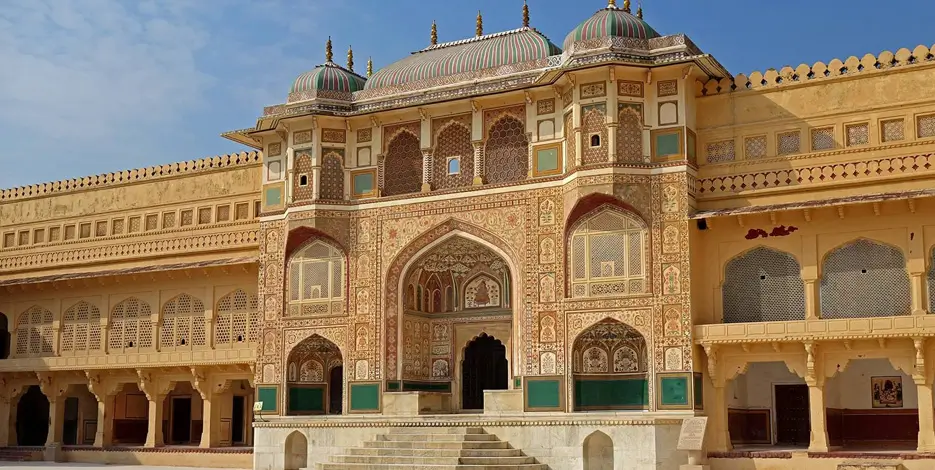
The day begins with a drive to Amber Fort, located outside Jaipur on elevated terrain. Vehicle access is arranged to reduce walking distance before entering the complex. The guided walkthrough includes courtyards, halls, and viewing points overlooking surrounding areas.
The guide explains architectural elements such as defensive positioning and residential planning. Breaks are included throughout to maintain comfort. The experience focuses on understanding structure rather than rushing through sections.
In the afternoon, visits continue to City Palace and Hawa Mahal exterior. These locations highlight Jaipur’s planned city layout. Evening return to the hotel includes dinner within a courtyard or indoor heritage dining space.
The day begins with a relaxed breakfast, followed by free time within the hotel. Heritage properties in Jaipur often include gardens, terraces, and quiet seating areas, allowing a slower pace after structured sightseeing.
Optional visits to markets or cultural locations can be arranged if desired, though the day is intentionally left flexible. The guide assists with preparation for the upcoming travel segment to Mumbai.
In the evening, dinner is arranged within the hotel, maintaining a calm and controlled environment. Overnight stay continues in Jaipur.
After breakfast, transfer to Jaipur airport is arranged for a flight to Mumbai. The shift from Rajasthan’s inland terrain to a coastal metropolis is immediately visible upon arrival.
A private transfer takes you to your hotel in South Mumbai, passing through dense urban zones and historic districts. Check-in is completed smoothly, allowing time to settle into the property.
The evening includes a short orientation drive covering nearby areas such as Marine Drive. Dinner is arranged at the hotel or a nearby restaurant known for its refined atmosphere.
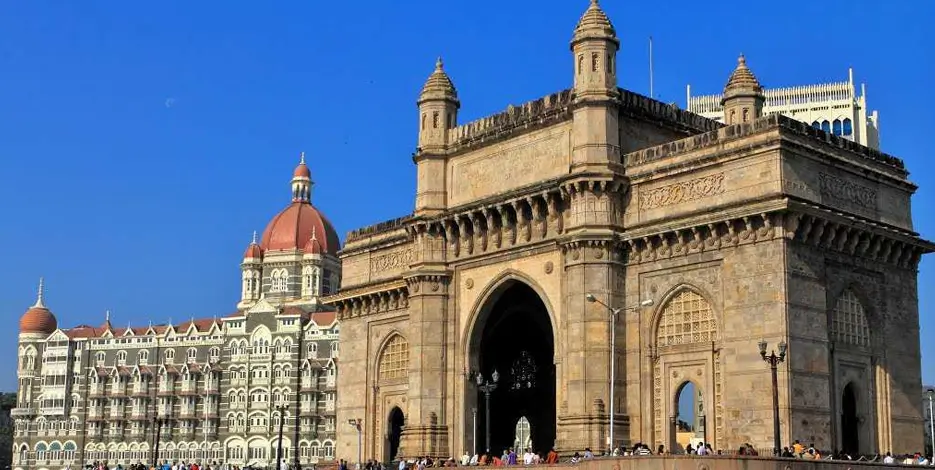
The day begins with a guided exploration of South Mumbai, where colonial-era buildings and financial districts define the area. The route includes wide roads, historic facades, and waterfront zones.
The guide explains how Mumbai developed as a major port city, shaping its architecture and urban layout. Stops are planned to allow observation without rushing between locations.
In the afternoon, time is allocated for rest before evening leisure. Dinner is arranged at a selected venue, maintaining privacy and comfort. Overnight stay in Mumbai.
The day begins with a relaxed schedule, allowing time to prepare for participation in the Queer Azaadi March. The guide provides detailed information regarding route, timing, and safety arrangements.
Movement to the event location is planned carefully to avoid congestion and ensure a smooth experience. The atmosphere reflects a mix of activism and community presence within the city.
After the event, return to the hotel is arranged for rest. Evening is kept free, with dinner scheduled in a quiet setting. Overnight stay in Mumbai.
The day begins without a fixed schedule, allowing full flexibility. Breakfast is followed by free time to explore or remain within the hotel.
Optional activities include short coastal drives or visits to nearby areas, though many travellers prefer to maintain a relaxed pace. The guide remains available if required.
In the evening, a farewell dinner is arranged at a premium venue. Overnight stay in Mumbai.
After breakfast, departure transfer to Mumbai airport is arranged according to flight timing. The drive passes through early morning city traffic with controlled timing.
Assistance is provided for check-in and luggage handling if required. The transition is smooth and well-coordinated.
The journey concludes after covering both historic North India and contemporary Mumbai within a structured and balanced itinerary.
We promise you a holiday where everything is taken care of from the moment you land. Trusted drivers waiting for you, handpicked hotels that fit your style, personalized itineraries designed just for your family, and a dedicated team on call 24/7. All you need to do is relax, explore, and create unforgettable memories, while we take care of every detail behind the scenes.