
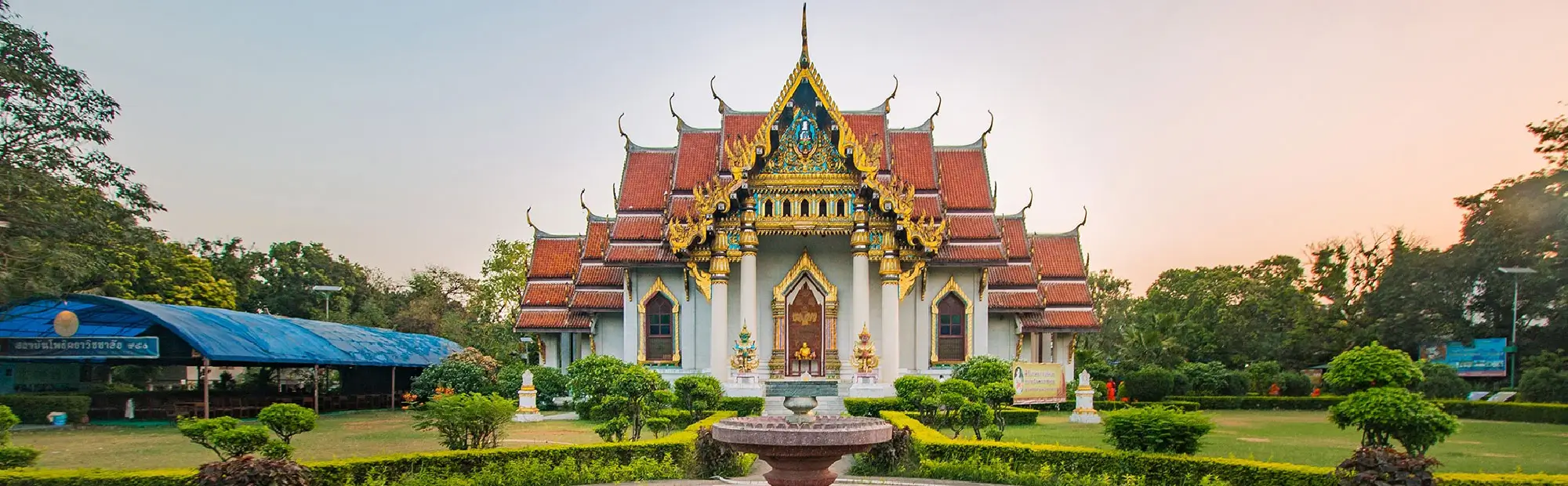
There are places that impress with their grand architecture, and then there are places that leave a lasting impression without saying much at all. Bodh Gaya belongs to the latter. Tucked away in the eastern Indian state of Bihar, this peaceful town is revered across the world as the place where Prince Siddhartha attained enlightenment beneath the sacred Bodhi Tree and became Gautama Buddha. For more than two thousand years, pilgrims, monks, scholars and curious travellers have journeyed here, each seeking something different faith, history, inner peace or simply a deeper understanding of one of the world's oldest living traditions.
Today, Bodh Gaya welcomes visitors from every corner of the globe. Its quiet monastery courtyards echo with chants in dozens of languages, prayer flags flutter gently in the breeze, and the aroma of incense lingers around centuries-old temples. Yet, despite its global spiritual significance, the town has managed to preserve a calm and unhurried character that feels increasingly rare in modern travel.
At the heart of Bodh Gaya stands the magnificent Mahabodhi Temple, a UNESCO World Heritage Site and one of Buddhism's most sacred monuments. Surrounding it is an inspiring collection of monasteries built by Buddhist communities from countries including Thailand, Japan, Bhutan, Sri Lanka, Myanmar, Vietnam and Tibet. Each reflects its own architectural traditions while collectively celebrating a shared spiritual heritage, making Bodh Gaya unlike any other destination in India.
Beyond its religious importance, Bodh Gaya offers visitors an opportunity to slow down. Early mornings begin with the soft rhythm of temple bells, while evenings are filled with meditation sessions, quiet walks through peaceful gardens and meaningful conversations with travellers who have come here for reasons as varied as their own life stories. Whether you are a practising Buddhist, a history enthusiast or someone simply searching for authentic cultural experiences, the destination offers an atmosphere that encourages reflection rather than hurried sightseeing.
For international travellers exploring India, Bodh Gaya also fits beautifully into broader itineraries. It pairs naturally with Varanasi, where the spiritual traditions of Hinduism come alive along the sacred River Ganges, and can be combined with Delhi, Agra and Jaipur to create a journey that balances India's architectural wonders with its profound spiritual legacy. This combination offers a richer understanding of the country's remarkable diversity, where magnificent monuments and ancient philosophies exist side by side.
The destination is equally rewarding for luxury travellers seeking meaningful experiences. Boutique heritage hotels, elegant retreats and thoughtfully curated private tours allow visitors to explore Bodh Gaya in comfort without losing touch with its authentic character. Private guided visits to the Mahabodhi Temple, meditation experiences, cultural interactions with local communities and personalised excursions to nearby heritage sites create memories that extend far beyond traditional sightseeing.
Unlike destinations that demand a checklist approach, Bodh Gaya invites you to take your time. It rewards slow travel, quiet observation and genuine curiosity. Every monastery tells a different story, every prayer wheel reflects centuries of devotion, and every corner reminds visitors that some of history's greatest transformations began not with power or conquest, but with a single moment of understanding beneath a tree.
Whether you are following the footsteps of Buddha, exploring India's extraordinary cultural heritage or simply looking for a destination that offers both inspiration and tranquillity, Bodh Gaya promises an experience that remains with you long after your journey ends. It is not merely a place to visit it is a place to feel, reflect and remember.

Mahabodhi Temple, Bodhi Tree, Great Buddha Statue, International Monasteries, Meditation Gardens

October – March Cooler temperatures ideal for walking and meditation.

1–2 Days One to two days allow temple visits and monastery exploration.

English, Hindi English is commonly spoken in monasteries and hotels.
The spiritual center of Bodh Gaya is the Mahabodhi Temple, a UNESCO World Heritage Site. The temple complex marks the exact location where Buddha is believed to have meditated beneath the Bodhi Tree and attained enlightenment.
The towering temple structure rises above a peaceful courtyard where monks, pilgrims, and visitors quietly circle the sacred area in prayer.
Unlike many Indian temple sites, the Mahabodhi complex is orderly and serene. Devotees sit in meditation, chant softly, or walk mindfully around the central shrine.
Visitors of all faiths are welcome. The environment encourages respectful silence and observation.
Behind the temple stands the revered Bodhi Tree, a descendant of the original tree under which Buddha meditated.
Pilgrims often sit beneath its branches for contemplation. The area around the tree remains one of the most spiritually charged and peaceful spaces in India.
Many travellers, even those without religious affiliation, find the setting conducive to reflection.
One unique feature of Bodh Gaya is the presence of international Buddhist monasteries built by countries such as Thailand, Japan, Bhutan, Tibet, and Sri Lanka.
Each monastery reflects its country’s architectural style and interpretation of Buddhist design. Walking between them provides a global perspective on Buddhist traditions.
These monasteries often host meditation sessions and prayer gatherings open to visitors.
The Great Buddha Statue, standing approximately 80 feet tall, is one of the town’s most recognizable landmarks.
Surrounded by smaller statues of disciples, the site provides a quiet environment for photography and reflection.
Unlike Varanasi’s ritual intensity, Bodh Gaya’s spirituality is centered on meditation and mindfulness.
Visitors frequently see monks seated in silent contemplation, chanting softly, or performing prostrations.
The town’s rhythm is gentle. Cafés serve simple vegetarian meals, and most activity revolves around temple visits and monastery exploration.
Bodh Gaya is not only important for religious reasons but also for its philosophical legacy.
The concept of enlightenment achieved through meditation under the Bodhi Tree has shaped Buddhist philosophy across Asia and beyond.
Understanding Bodh Gaya helps travellers appreciate the global influence of Indian spiritual traditions.
Because pilgrims visit from across Asia and Western countries, Bodh Gaya feels internationally diverse.
Tibetan monks, Thai pilgrims, Japanese visitors, and Western meditation students share the same sacred space.
This multicultural environment creates a welcoming atmosphere for foreign travellers.
Bodh Gaya offers modest but comfortable accommodations, including guesthouses, boutique hotels, and monastery stays.
Luxury options are limited compared to major cities, but clean and well-managed hotels cater to international visitors.
The town is compact, and most attractions are within walking distance.
The best time to visit is October to March when temperatures are comfortable.
Summers can be extremely hot, while monsoon months bring heavy rain.
Major Buddhist festivals, such as Buddha Purnima, attract larger pilgrim gatherings.

Gaya International Airport

Road connections from Patna

Nearest railway station: Gaya
We promise you a holiday where everything is taken care of from the moment you land. Trusted drivers waiting for you, handpicked hotels that fit your style, personalized itineraries designed just for your family, and a dedicated team on call 24/7. All you need to do is relax, explore, and create unforgettable memories, while we take care of every detail behind the scenes.
It is the site where Buddha attained enlightenment.
One to two days are sufficient.
No, visitors of all backgrounds are welcome.
A UNESCO World Heritage Site marking Buddha’s enlightenment.
Yes, quiet meditation is permitted.
Yes, it is generally calm and peaceful.
October to March.
Yes, especially around the temple complex.
Yes, in most areas except restricted temple sections.
It can be busy during major Buddhist festivals.
Yes, it is often added as a spiritual extension.
Mostly mid-range and boutique properties.


